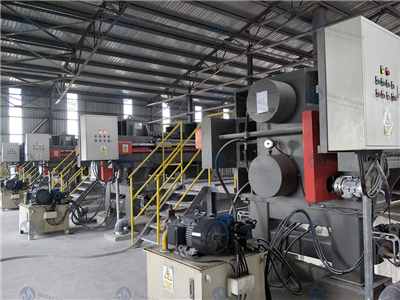


Hey there! As a supplier of gas fired hot air furnaces, I often get asked about safety standards. It's a crucial topic, especially when dealing with equipment that uses gas, which can be potentially dangerous if not handled properly. So, let's dive into whether there are safety standards for gas fired hot air furnaces.
Why Safety Standards Matter
First off, why do we even need safety standards? Well, gas fired hot air furnaces are used in a wide range of applications, from industrial drying to heating large spaces. They involve the combustion of gas, which can lead to issues like gas leaks, carbon monoxide (CO) emissions, and even fires if something goes wrong. Safety standards are put in place to protect users, workers, and the environment. They ensure that the furnaces are designed, manufactured, installed, and maintained in a way that minimizes these risks.
International and National Safety Standards
There are several international and national safety standards that apply to gas fired hot air furnaces. For example, in the United States, the American National Standards Institute (ANSI) and the National Fire Protection Association (NFPA) have developed standards for gas appliances, including hot air furnaces. These standards cover aspects such as the design of the furnace, the installation process, and the requirements for ventilation.
The ANSI Z21.47 standard, for instance, specifically addresses the safety requirements for gas - fired warm - air furnaces. It sets out guidelines for things like the maximum allowable levels of CO emissions, the proper functioning of safety controls (such as flame sensors and pressure switches), and the construction materials that should be used in the furnace.
On an international level, the International Organization for Standardization (ISO) also has standards related to industrial heating equipment. ISO standards ensure that products are safe and reliable across different countries, which is important for global trade.
Design and Manufacturing Standards
When it comes to the design and manufacturing of gas fired hot air furnaces, safety standards play a big role. Furnaces need to be built with high - quality materials that can withstand the heat and pressure generated during operation. For example, the combustion chamber should be made of materials that are resistant to corrosion and high temperatures.
The burners in the furnace also need to be designed to ensure efficient and complete combustion of the gas. Incomplete combustion can lead to the production of excessive CO, which is a silent killer. Safety standards specify the requirements for burner design, such as the proper air - to - fuel ratio and the flame stability.
Moreover, safety controls are a key part of the design. These controls are like the "brains" of the furnace, constantly monitoring its operation and shutting it down if something goes wrong. Flame sensors, for example, detect whether the flame is present in the burner. If the flame goes out, the sensor sends a signal to the control system, which then shuts off the gas supply to prevent a gas leak.
Installation and Maintenance Standards
Proper installation is just as important as the design and manufacturing of the furnace. Installers need to follow strict guidelines to ensure that the furnace is installed in a safe and proper manner. This includes ensuring that the furnace is installed in a well - ventilated area to prevent the build - up of CO. The ventilation system needs to be sized correctly to remove the exhaust gases safely.
Regular maintenance is also crucial for the safe operation of gas fired hot air furnaces. Maintenance tasks include cleaning the burners, checking the safety controls, and inspecting the ventilation system. Safety standards often specify how often these maintenance tasks should be carried out. For example, some standards recommend annual maintenance by a qualified technician.
Our Commitment to Safety
As a gas fired hot air furnace supplier, we take safety very seriously. We make sure that all our products meet or exceed the relevant safety standards. Our furnaces are designed and manufactured with the latest safety features to ensure the well - being of our customers.
We offer a range of high - quality gas fired hot air furnaces, such as the Heavy - Duty Direct Oil/Gas/Coal/Biomass Fired Hot Air Furnace For Industrial Drying Applications and the Oil/Gas - Fired Hot Air Furnace. These furnaces are not only safe but also energy - efficient, which can save you money in the long run.


Importance of Compliance
Compliance with safety standards is not just about following the rules; it's about protecting lives and property. A gas fired hot air furnace that does not meet safety standards can pose a serious risk to users. It can lead to gas leaks, fires, and CO poisoning, which can have devastating consequences.
By choosing a furnace that meets the safety standards, you can have peace of mind knowing that you are using a reliable and safe product. You also reduce the risk of legal issues, as non - compliance with safety standards can result in fines and other penalties.
How to Ensure Safety
If you're in the market for a gas fired hot air furnace, here are some tips to ensure that you're getting a safe product:
- Check for Certifications: Look for furnaces that have been certified by recognized organizations, such as UL (Underwriters Laboratories) in the United States. These certifications indicate that the product has been tested and meets the relevant safety standards.
- Hire a Qualified Installer: Make sure that the furnace is installed by a qualified and experienced installer. They will know how to follow the installation guidelines and ensure that the furnace is set up correctly.
- Schedule Regular Maintenance: Set up a regular maintenance schedule for your furnace. This will help to keep it in good working condition and prevent any safety issues from arising.
Conclusion
In conclusion, there are definitely safety standards for gas fired hot air furnaces. These standards cover all aspects of the furnace, from design and manufacturing to installation and maintenance. As a supplier, we are committed to providing safe and reliable products that meet these standards.
If you're interested in purchasing a gas fired hot air furnace, don't hesitate to reach out. We're here to help you find the right furnace for your needs and ensure that it's installed and maintained safely. Whether you're looking for a furnace for industrial drying or general heating purposes, we've got you covered.
References
- American National Standards Institute (ANSI) Z21.47 standard
- National Fire Protection Association (NFPA) standards
- International Organization for Standardization (ISO) standards related to industrial heating equipment