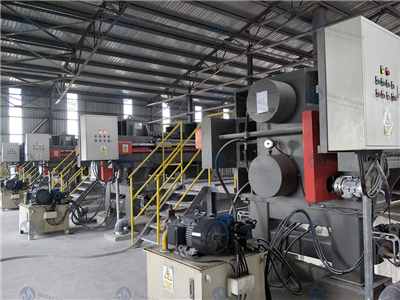


Hey there! As a supplier of Dust Removal Equipment, I've been involved in designing dust-collection systems for numerous new factories. It's a crucial process that not only ensures a safe and clean working environment but also helps factories comply with environmental regulations. In this blog, I'll walk you through the steps of designing a dust-collection system with dust removal equipment for a new factory.
Step 1: Assess the Factory's Needs
The first thing you gotta do is understand the specific needs of the factory. This includes the type of manufacturing processes that will be taking place, the quantity and type of dust generated, and the layout of the factory.
For example, if it's a woodworking factory, the dust will mainly consist of wood particles, which can be relatively large and easy to capture. On the other hand, a metalworking factory might produce fine metal dust, which is more difficult to handle and can pose a greater health risk.
You also need to consider the space available for the dust-collection system. Some factories have limited floor space, so you'll need to find compact and efficient equipment. And don't forget about the future expansion plans of the factory. You want to design a system that can be easily upgraded or expanded as the factory grows.
Step 2: Select the Right Dust Removal Equipment
Once you have a clear understanding of the factory's needs, it's time to choose the right dust removal equipment. There are several types of equipment available, each with its own advantages and disadvantages.


Baghouses: These are one of the most common types of dust collectors. They work by passing the dusty air through a series of fabric bags, which trap the dust particles. Baghouses are very efficient at removing dust, especially for large particles. They're also relatively easy to maintain, as you can simply replace the bags when they get dirty.
Cyclone Separators: Cyclone separators use centrifugal force to separate the dust from the air. The dusty air is spun around inside a cylindrical chamber, and the heavier dust particles are forced to the outer walls and collected at the bottom. Cyclone separators are great for removing large and medium-sized particles, and they're relatively inexpensive and easy to operate.
Wet Scrubbers: Wet scrubbers use water to remove dust from the air. The dusty air is passed through a chamber where it comes into contact with water droplets, which capture the dust particles. Wet scrubbers are effective at removing fine dust particles and can also handle sticky or combustible dust. However, they require a water supply and can produce wastewater that needs to be treated.
Electrostatic Precipitators: Electrostatic precipitators use an electrostatic charge to attract the dust particles to a collection plate. They're very efficient at removing fine dust particles, but they're also more expensive and require more maintenance than other types of equipment.
When choosing the equipment, you need to consider factors such as the efficiency of the equipment, the cost, the maintenance requirements, and the space available. You might also need to use a combination of different types of equipment to achieve the best results.
Step 3: Design the Ductwork
The ductwork is an important part of the dust-collection system. It's responsible for transporting the dusty air from the source to the dust removal equipment. When designing the ductwork, you need to consider several factors.
Size and Shape: The size and shape of the ductwork will depend on the volume of air that needs to be transported and the type of equipment you're using. You want to make sure the ducts are large enough to handle the airflow without causing excessive pressure drop.
Layout: The layout of the ductwork should be as simple and direct as possible. Avoid sharp bends and long runs of ductwork, as these can increase the pressure drop and reduce the efficiency of the system. You also need to make sure the ducts are properly supported to prevent sagging or vibration.
Material: The material of the ductwork should be chosen based on the type of dust being transported and the environment. For example, if the dust is corrosive, you might need to use a stainless steel or fiberglass duct.
Step 4: Determine the Airflow Requirements
Calculating the airflow requirements is crucial for designing an effective dust-collection system. You need to know how much air needs to be moved through the system to ensure that all the dust is captured.
To determine the airflow requirements, you need to consider the size of the area where the dust is being generated, the type of equipment being used, and the rate at which the dust is being produced. You can use some standard formulas and guidelines to calculate the airflow, but it's also a good idea to consult with an expert or use a computer simulation to get a more accurate estimate.
Step 5: Plan for Maintenance and Safety
Maintenance and safety are two important aspects of any dust-collection system. You need to plan for regular maintenance to ensure that the equipment is working properly and to prevent breakdowns.
Maintenance: This includes tasks such as cleaning the equipment, replacing filters and bags, and checking the ductwork for leaks. You should also have a maintenance schedule in place and keep records of all maintenance activities.
Safety: Safety is paramount when dealing with dust collection systems. You need to make sure the equipment is properly grounded to prevent static electricity buildup, which can cause fires or explosions. You also need to provide appropriate safety equipment for the workers, such as respirators and safety goggles. And don't forget about the ventilation in the area where the equipment is located to prevent the buildup of toxic gases.
Step 6: Installation and Testing
Once you have designed the dust-collection system, it's time to install the equipment and test the system. The installation should be carried out by a qualified professional to ensure that everything is installed correctly and safely.
After the installation is complete, you need to test the system to make sure it's working properly. This includes checking the airflow, the pressure drop, and the efficiency of the dust removal equipment. You should also make any necessary adjustments to the system based on the test results.
Step 7: Provide Training and Support
Finally, it's important to provide training and support to the factory workers. They need to know how to operate the dust-collection system safely and efficiently, and they should also be aware of the importance of maintaining the system.
You can provide on-site training to the workers, as well as written manuals and instructions. You should also offer ongoing support, such as technical assistance and troubleshooting, to ensure that the system continues to operate effectively.
If you're in the process of setting up a new factory and need help with designing a dust-collection system, don't hesitate to reach out. As a supplier of Dust Removal Equipment, I have the expertise and experience to help you create a system that meets your specific needs. Contact me today to start the conversation about your dust collection requirements and let's work together to build a clean and safe factory environment.
References
- "Industrial Ventilation: A Manual of Recommended Practice", American Conference of Governmental Industrial Hygienists (ACGIH)
- "Dust Collection Handbook", Donald W. Cooper and F. C. Alley