

Hey there! I'm a supplier of chemical raw materials, and one of the most significant challenges we face in this industry is identifying fake chemical raw materials. It's not just about protecting our business; it's about ensuring the safety and quality of the products that end up in the hands of consumers. In this blog post, I'll share some tips on how to spot those counterfeit chemicals and keep your supply chain clean.
Why It Matters
First off, let's talk about why it's so important to identify fake chemical raw materials. Using counterfeit chemicals can have serious consequences. For one, they may not perform as expected. This can lead to product failures, which can be costly for manufacturers. In some cases, fake chemicals can even be dangerous. They might contain harmful substances that pose risks to human health or the environment.
As a supplier, I take my responsibility seriously. I want to make sure that the products I offer are of the highest quality and meet all the necessary standards. That's why I've learned to be vigilant when it comes to identifying fake chemical raw materials.
Visual Inspection
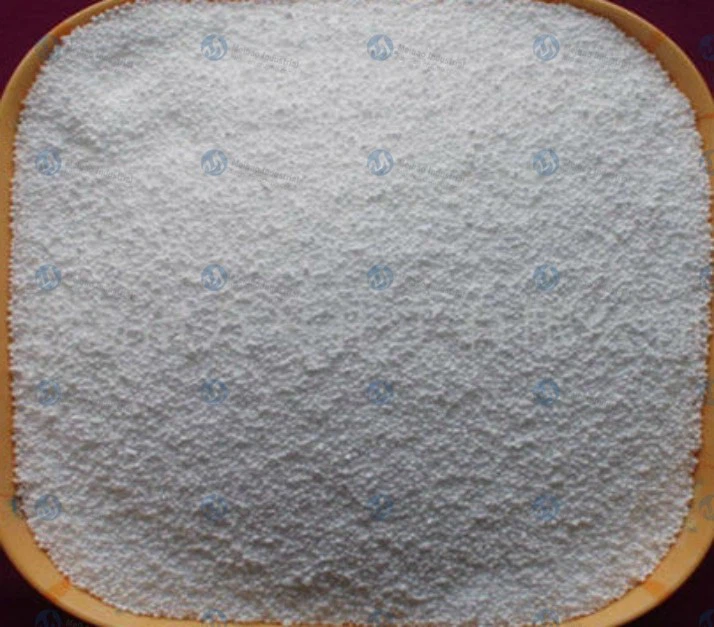
One of the first steps in identifying fake chemical raw materials is a visual inspection. Real chemicals usually have a consistent appearance. For example, 99% SSA Anhydrous Sodium Sulphate Industrial Grade – High Purity White Crystalline Powder should look like fine, white crystals. If the product you're looking at has an unusual color, texture, or smell, it could be a sign that it's fake.
Sometimes, fake chemicals are made to look like the real thing, but upon closer inspection, you can spot the differences. Look for signs of impurities, such as discoloration, clumping, or foreign particles. These can indicate that the product is not up to standard.
Packaging and Labeling
Another important aspect to consider is the packaging and labeling of the chemical raw materials. Authentic products usually come in high - quality packaging that is designed to protect the contents. The labels should be clear, accurate, and contain all the necessary information, such as the chemical name, purity level, batch number, and safety instructions.
If the packaging looks cheap, has misspellings or incorrect information on the label, it's a red flag. For instance, if the label for Sodium Sulphate has the wrong chemical formula or doesn't mention the purity level, it's likely a fake.
Documentation and Certifications
Documentation is key when it comes to verifying the authenticity of chemical raw materials. Reputable suppliers should be able to provide you with certificates of analysis (COA), which show the chemical composition and purity of the product. These certificates are issued by independent laboratories and are a reliable way to confirm the quality of the chemicals.
In addition to the COA, you may also want to ask for other documentation, such as safety data sheets (SDS). The SDS provides detailed information about the chemical's properties, hazards, and handling procedures. If a supplier can't provide these documents, it's a sign that something might be off.
Testing and Analysis
When in doubt, it's always a good idea to conduct your own testing and analysis. There are several methods that can be used to determine the authenticity of chemical raw materials. For example, you can use spectroscopy techniques to analyze the chemical composition of the product. This can help you identify any impurities or differences from the expected composition.
Chromatography is another useful method for separating and analyzing the components of a chemical mixture. By comparing the results of your analysis with the known standards for the chemical, you can determine if the product is genuine.
Supplier Reputation
One of the best ways to avoid fake chemical raw materials is to work with reputable suppliers. Do your research and find out what other customers have to say about a supplier. Look for reviews and testimonials online, and ask for references from the supplier.
A reliable supplier will have a good track record of providing high - quality products and excellent customer service. They will also be transparent about their sourcing and manufacturing processes. For example, if a supplier is offering a CaCl₂ Calcium Chloride Production Line – Food Grade & Industrial Grade Turnkey Plant, they should be able to explain how they ensure the quality of the calcium chloride produced.
Cost and Pricing
While price isn't always an indicator of quality, extremely low prices can be a sign of fake chemical raw materials. Counterfeiters often try to undercut the market by offering their products at a much lower price. If a deal seems too good to be true, it probably is.
When comparing prices from different suppliers, make sure you're comparing apples to apples. Consider the quality, purity, and quantity of the product, as well as any additional services or support that the supplier offers.
Conclusion
Identifying fake chemical raw materials is a crucial skill for anyone in the chemical industry. By using a combination of visual inspection, checking packaging and labeling, reviewing documentation, conducting testing, and working with reputable suppliers, you can minimize the risk of purchasing counterfeit products.

As a chemical raw material supplier, I'm committed to providing my customers with the highest quality products. If you're in the market for chemical raw materials and want to ensure that you're getting the real deal, don't hesitate to reach out. We can have a detailed discussion about your specific needs and how we can meet them. Whether you're looking for 99% SSA Anhydrous Sodium Sulphate Industrial Grade, Sodium Sulphate, or any other chemical raw materials, I'm here to help. Let's start a conversation and see how we can work together to keep your supply chain safe and reliable.
References
- "Handbook of Chemical Analysis Techniques"
- "Quality Control in the Chemical Industry"
- Industry reports on chemical counterfeiting