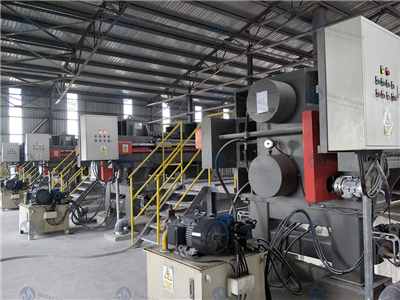


Is a feed drying line suitable for drying aquatic feeds?
Hey there! I'm a supplier of feed drying lines, and I often get asked this question: Is a feed drying line suitable for drying aquatic feeds? Well, let's dive into this topic and find out.
First off, let's understand what aquatic feeds are. Aquatic feeds are specially formulated to meet the nutritional needs of various aquatic organisms like fish, shrimp, and other marine animals. These feeds usually contain a mix of proteins, fats, carbohydrates, vitamins, and minerals. They come in different forms such as pellets, flakes, or powders.
Now, why do we need to dry aquatic feeds? The main reason is to extend their shelf - life. Moisture in the feed can lead to the growth of mold, bacteria, and fungi, which can spoil the feed and make it unfit for consumption. Drying removes the excess moisture, making the feed more stable and less prone to spoilage. It also helps in maintaining the nutritional quality of the feed over time.
So, is a feed drying line up for the task? The answer is a big yes, and here's why.
1. Customizable Temperature and Airflow
A good feed drying line allows you to adjust the temperature and airflow according to the specific requirements of aquatic feeds. Different types of aquatic feeds have different moisture contents and heat sensitivities. For example, some delicate fish feeds may require a lower drying temperature to prevent the loss of heat - sensitive nutrients like vitamins. With a feed drying line, you can set the temperature and airflow precisely to ensure that the feed is dried effectively without compromising its nutritional value.
2. Uniform Drying
Aquatic feeds need to be dried uniformly. If some parts of the feed are over - dried while others are under - dried, it can lead to quality issues. Feed drying lines are designed to provide uniform drying. They use advanced technologies such as fluidized beds or conveyor belts to ensure that all the feed particles are exposed to the same drying conditions. This results in a consistent product with a uniform moisture content throughout.
3. High - Capacity Drying
In the aquaculture industry, large quantities of feed are produced daily. A feed drying line can handle high - volume drying efficiently. Whether you're a small - scale aquaculture farm or a large commercial feed manufacturer, a feed drying line can be scaled up or down to meet your production needs. This means you can dry a significant amount of aquatic feed in a relatively short period, which is crucial for meeting market demands.
4. Hygiene and Sanitation
Since aquatic feeds are consumed by living organisms, hygiene is of utmost importance. Feed drying lines are built with materials that are easy to clean and sanitize. They are designed to prevent the accumulation of feed residues and contaminants, which can cause health problems for the aquatic animals. Regular cleaning and maintenance of the drying line ensure that the feed remains safe and free from harmful substances.
However, there are a few things to keep in mind when using a feed drying line for aquatic feeds.
1. Feed Composition
As mentioned earlier, aquatic feeds have a unique composition. Some ingredients in the feed may be more difficult to dry than others. For example, feeds with a high fat content may require a different drying approach compared to those with a high protein content. It's important to understand the composition of your aquatic feed and adjust the drying parameters accordingly.
2. Particle Size
The particle size of the aquatic feed can also affect the drying process. Smaller particles generally dry faster than larger ones. If the feed particles are too large, they may take longer to dry, and there's a risk of uneven drying. You may need to consider pre - processing the feed to achieve a more uniform particle size before drying.
3. Energy Consumption
Drying is an energy - intensive process. While modern feed drying lines are designed to be energy - efficient, it's still important to be aware of the energy consumption. You can look for a feed drying line that uses advanced energy - saving technologies to reduce your operating costs.
If you're in the market for a high - quality feed drying line for your aquatic feeds, I'd like to introduce you to our High - Efficiency Automatic Pet Food Production Line | Dog, Cat, Fish Feed Extruder. This production line is not only suitable for pet foods but also works great for aquatic feeds. It offers all the features I've mentioned above, including customizable drying parameters, uniform drying, high - capacity production, and excellent hygiene standards.
In conclusion, a feed drying line is definitely suitable for drying aquatic feeds. It offers numerous benefits in terms of quality, efficiency, and hygiene. If you're looking to improve the quality and shelf - life of your aquatic feeds, investing in a good feed drying line is a smart choice.


If you're interested in learning more about our feed drying lines or have any questions regarding the drying of aquatic feeds, feel free to reach out. We'd be more than happy to have a discussion with you and help you find the best solution for your business. Whether you're just starting out in the aquaculture industry or looking to upgrade your existing drying equipment, we're here to assist you.
References
- Aquaculture Feed Technology Handbook.
- Journal of Aquatic Feed Science and Technology.
- Research papers on feed drying processes.