

Sampling chemical raw materials is a crucial step in the chemical industry, especially for a supplier like me. It ensures the quality, consistency, and safety of the products we offer. In this blog, I'll share some of the best methods for sampling chemical raw materials based on my experience in the business.
Why Sampling is Important
Before we dive into the methods, let's quickly talk about why sampling is so important. As a chemical raw material supplier, our reputation rides on the quality of the products we provide. Sampling allows us to:
- Verify Quality: Check if the raw materials meet the required specifications and standards. This helps in maintaining consistent quality across batches.
- Detect Contamination: Identify any impurities or contaminants that could affect the performance or safety of the final product.
- Comply with Regulations: Many industries have strict regulations regarding the quality and safety of chemical raw materials. Sampling helps us ensure compliance.
Random Sampling
Random sampling is one of the most basic and widely used methods. It involves selecting samples from the raw material batch in a completely random manner. This method is great because it gives every part of the batch an equal chance of being selected, which helps in getting a representative sample.

For example, if we have a large drum of a liquid chemical, we can use a sampling tube to take samples from different depths and locations within the drum. This way, we can get a good idea of the overall quality of the liquid. Random sampling is simple and cost - effective, but it may not be suitable for all types of raw materials.
Stratified Sampling
Stratified sampling is a bit more complex but can be very effective. It involves dividing the raw material batch into different strata or subgroups based on certain characteristics, such as particle size, density, or location within a storage container. Then, samples are taken from each stratum.
Let's say we have a batch of a granular chemical that has different particle sizes. We can divide the batch into subgroups based on particle size ranges. By taking samples from each subgroup, we can ensure that we are getting a representative sample that accounts for the variation in particle size. This method is useful when there are significant differences within the batch.
Systematic Sampling
Systematic sampling is another popular method. It involves selecting samples at regular intervals from the raw material batch. For example, if we have a long conveyor belt carrying a solid chemical, we can take a sample every few minutes. This method is easy to implement and can provide a good representation of the batch if the raw material is relatively homogeneous.
However, one drawback of systematic sampling is that if there is a periodic variation in the raw material, it may not give an accurate representation. For instance, if there is a problem with the production process that causes a quality issue every hour, and we are taking samples every 30 minutes, we may miss the problem.
Cluster Sampling
Cluster sampling is useful when the raw material is grouped into clusters. Instead of sampling individual units, we sample entire clusters. For example, if we have a shipment of chemical raw materials packed in multiple boxes, we can randomly select a few boxes and then take samples from all the units within those boxes.
This method is more practical when it is difficult or expensive to sample individual units. But it may not be as accurate as other methods because the clusters may not be completely representative of the entire batch.
Sampling Equipment
The right sampling equipment is essential for getting accurate samples. For liquid raw materials, we can use sampling tubes, pipettes, or syringes. For solid raw materials, we may need sampling scoops, drills, or corers.
When using sampling equipment, it's important to make sure it is clean and free from contamination. We also need to follow the proper procedures for using the equipment to ensure that the samples are representative.
Real - World Examples
Let's take a look at some real - world examples of how these sampling methods are used in our business.
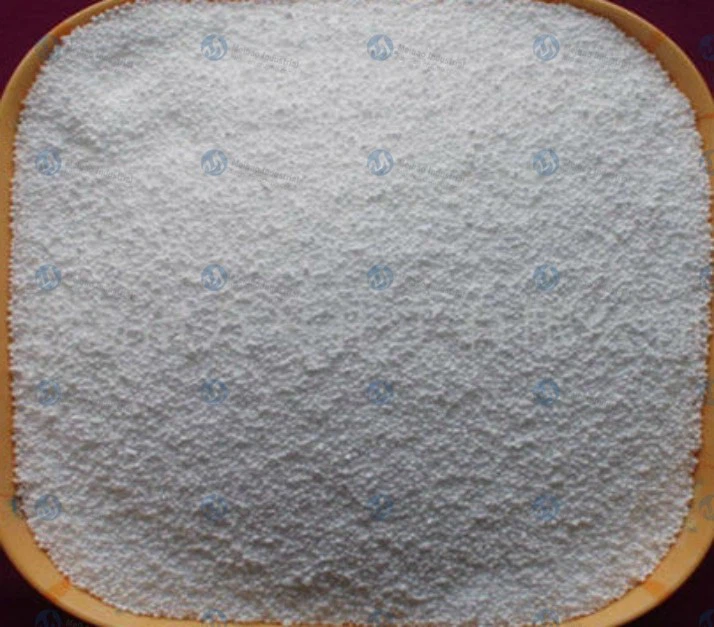
We often deal with calcium chloride, and for the CaCl₂ Calcium Chloride Production Line – Food Grade & Industrial Grade Turnkey Plant, we use a combination of random and stratified sampling. Since calcium chloride can come in different forms and may have impurities, we first divide the batch into subgroups based on particle size and then take random samples from each subgroup.
For our High - Quality Chemical Raw Materials, especially those in powder form like the 99% SSA Anhydrous Sodium Sulphate Industrial Grade – High Purity White Crystalline Powder, we use systematic sampling. We take samples at regular intervals during the packaging process to ensure the consistency of the product.
Quality Control and Analysis
Once we have taken the samples, the next step is quality control and analysis. We send the samples to our laboratory for testing. The tests may include chemical analysis, physical property testing, and microbiological testing, depending on the nature of the raw material.
The results of the analysis help us make decisions about the batch. If the samples meet the specifications, we can release the batch for sale. If not, we may need to take corrective actions, such as re - processing the raw material or rejecting the batch.
Conclusion
Sampling chemical raw materials is a complex but essential process. By using the right sampling methods and equipment, we can ensure that the products we offer as a chemical raw material supplier are of high quality and meet the needs of our customers.
Whether it's random sampling, stratified sampling, systematic sampling, or cluster sampling, each method has its own advantages and disadvantages. We need to choose the method that is most suitable for the type of raw material and the characteristics of the batch.
If you are in the market for high - quality chemical raw materials and want to know more about our sampling and quality control processes, feel free to contact us for a detailed discussion and potential procurement. We are always ready to provide you with the best products and services.
References
- ASTM International. (2023). Standard practices for sampling chemical raw materials.
- ISO. (2022). International standards for quality control in the chemical industry.
- Chemical Engineering Handbook. (2021). Sampling techniques for chemical raw materials.