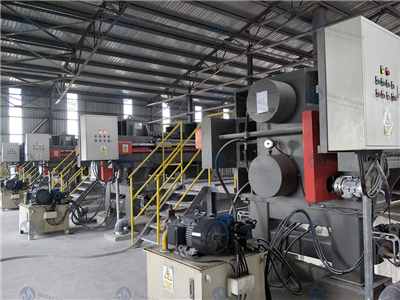


Hey there! As a supplier of caustic soda dissolving lines, I'm super excited to chat with you about the control systems for these lines. Caustic soda, also known as sodium hydroxide, is a key ingredient in many industries, especially in detergent production. And having a well - controlled dissolving line is crucial for efficient and safe operations.
Let's start with the basics. A caustic soda dissolving line is designed to dissolve solid caustic soda into a liquid solution. This process involves a series of steps, and each step needs to be carefully monitored and controlled.
1. Flow Control Systems
One of the most important aspects of a caustic soda dissolving line is the flow control system. We need to ensure that the right amount of caustic soda and water are flowing into the dissolving tank at the right time.
We use flow meters to measure the flow rate of both caustic soda and water. These flow meters are connected to a control valve. The control valve can adjust the flow based on the set parameters. For example, if we want a specific concentration of the caustic soda solution, the flow control system will calculate the ratio of caustic soda to water and adjust the valves accordingly.
Let's say we're aiming for a 30% caustic soda solution. The flow control system will measure the incoming flow of caustic soda and water. If the flow of water is too high, it will close the water valve a bit to reduce the flow, and vice versa. This real - time adjustment helps us maintain a consistent solution concentration. You can learn more about the caustic soda dissolving process in detergent production at Caustic Soda Dissolving Section for Detergent Production.
2. Temperature Control Systems
The dissolving process of caustic soda is exothermic, which means it releases heat. If the temperature gets too high, it can cause problems such as equipment damage and safety hazards. That's why temperature control is so important.
We use temperature sensors placed inside the dissolving tank. These sensors continuously measure the temperature of the solution. If the temperature rises above the set limit, the temperature control system kicks in.
One common way to control the temperature is by using a cooling system. For example, we can have a cooling jacket around the dissolving tank. When the temperature is too high, cold water is circulated through the cooling jacket to absorb the excess heat. The temperature control system will adjust the flow rate of the cooling water based on the temperature readings.
Another option is to adjust the flow rate of the incoming water. Since adding more water can help dissipate the heat, the system can increase the water flow if the temperature is rising too fast.
3. Level Control Systems
Maintaining the right level of the caustic soda solution in the dissolving tank is also essential. If the level is too high, it can cause overflow, which is not only a waste of materials but also a safety risk. If the level is too low, the dissolving process may not work properly.
Level sensors are used to monitor the level of the solution in the tank. There are different types of level sensors, such as ultrasonic sensors and float sensors.
When the level reaches the upper limit, the level control system will stop the inflow of caustic soda and water. It can also open a drain valve to release some of the solution if necessary. On the other hand, if the level is too low, the system will start the inflow of the materials to bring the level back to the desired range.
4. Concentration Control Systems
As I mentioned earlier, getting the right concentration of the caustic soda solution is crucial. Concentration control systems work in conjunction with the flow control systems.
We can use online analyzers to measure the concentration of the caustic soda solution in real - time. These analyzers use different techniques, such as conductivity measurement. Since the conductivity of a caustic soda solution is related to its concentration, the analyzer can provide accurate concentration readings.
Based on these readings, the concentration control system can adjust the flow rates of caustic soda and water. If the concentration is too low, it will increase the flow of caustic soda, and if it's too high, it will increase the water flow.
5. Safety Control Systems
Safety is always a top priority when dealing with caustic soda. Caustic soda is a highly corrosive substance, and any leakage or improper handling can be extremely dangerous.
We have several safety control features in place. First, there are leak detection sensors. These sensors can detect even small leaks of caustic soda. Once a leak is detected, the safety control system will trigger an alarm and can also shut down the entire dissolving line to prevent further leakage.
We also have emergency stop buttons located at various points along the line. In case of an emergency, operators can quickly press these buttons to stop all operations.


In addition, the equipment is designed with proper ventilation systems. This helps to remove any fumes or vapors that may be generated during the dissolving process, protecting the operators from inhaling harmful substances.
Integration of Control Systems
All these control systems are usually integrated into a central control panel. This central control panel allows operators to monitor and control all aspects of the caustic soda dissolving line from one place.
The control panel uses a Programmable Logic Controller (PLC). The PLC is programmed to follow a set of rules and algorithms based on the desired operating conditions. It receives data from all the sensors (flow meters, temperature sensors, level sensors, etc.) and sends commands to the control valves and other equipment.
For example, if the temperature sensor sends a high - temperature signal to the PLC, the PLC will send a signal to the cooling system to increase the cooling water flow. This integration ensures a smooth and efficient operation of the caustic soda dissolving line.
Why Our Control Systems Are Great
Our control systems are designed with high - precision sensors and reliable control valves. This means that we can achieve very accurate control of all the parameters, such as flow rate, temperature, level, and concentration.
We also offer easy - to - use interfaces on the control panels. Operators don't need to be highly technical to understand and operate the system. The interfaces provide clear visual displays of all the data, and they can easily make adjustments if needed.
Moreover, our control systems are highly customizable. We can tailor the control parameters and algorithms based on the specific requirements of our customers. Whether you need a different concentration of caustic soda solution or have specific temperature and flow rate requirements, we can make it happen.
Contact Us for Your Caustic Soda Dissolving Line Needs
If you're in the market for a caustic soda dissolving line with top - notch control systems, we'd love to hear from you. We have the expertise and experience to provide you with a high - quality solution that meets your production needs. Whether you're a small - scale detergent producer or a large industrial manufacturer, we can offer the right system for you. Don't hesitate to reach out and start a conversation about your requirements.
References
- Chemical Engineering Handbook for Detergent Production
- Industrial Process Control Systems Manual
- Safety Guidelines for Handling Caustic Soda