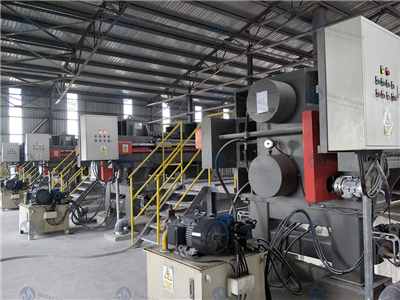


As a seasoned supplier of ceramic drying lines, I've witnessed firsthand the transformative impact these systems have on the ceramic manufacturing industry. A well - designed ceramic drying line is a complex assembly of various components, each playing a crucial role in ensuring efficient and high - quality drying of ceramic products. In this blog, I'll delve into the main components of a ceramic drying line, providing insights into their functions and significance.
Conveyor System
The conveyor system is the backbone of any ceramic drying line. It is responsible for transporting ceramic products through different stages of the drying process. There are several types of conveyors used in ceramic drying lines, including belt conveyors, chain conveyors, and roller conveyors.
Belt conveyors are widely used due to their smooth operation and ability to handle a variety of ceramic shapes and sizes. They consist of a continuous belt that moves over pulleys, carrying the ceramic pieces from one end of the drying line to the other. Belt conveyors can be customized with different belt materials, such as rubber or PVC, depending on the specific requirements of the ceramic products.
Chain conveyors, on the other hand, are more suitable for heavier ceramic items. They use chains to pull the carriers or pallets on which the ceramics are placed. Chain conveyors offer high - strength and durability, making them ideal for long - distance transportation within the drying line.
Roller conveyors are often used for sorting and transferring ceramic products between different sections of the drying line. They are made up of a series of rollers that allow the ceramics to move freely, providing a simple and cost - effective way to handle the products.
Drying Chambers
The drying chambers are the heart of the ceramic drying line. These chambers are designed to remove moisture from the ceramic products in a controlled environment. There are two main types of drying chambers: direct - fired and indirect - fired.
Direct - fired drying chambers use a burner to heat the air directly, which is then circulated around the ceramic products. This method is relatively simple and cost - effective, but it can also introduce contaminants into the drying environment if not properly controlled.
Indirect - fired drying chambers, on the other hand, use a heat exchanger to transfer heat from the burner to the air. This ensures that the air used for drying is clean and free from contaminants, making it suitable for high - quality ceramic products.
The design of the drying chamber is also crucial. It should have proper insulation to minimize heat loss and maintain a uniform temperature throughout the chamber. Additionally, the chamber should be equipped with a ventilation system to remove the moist air generated during the drying process.
Heating System
The heating system is responsible for providing the necessary heat to the drying chambers. There are several types of heating systems used in ceramic drying lines, including gas - fired, oil - fired, and electric heating systems.
Gas - fired heating systems are the most common choice in ceramic drying lines due to their high efficiency and relatively low cost. They use natural gas or propane as fuel to generate heat. Gas - fired systems can be easily controlled to adjust the temperature in the drying chambers, ensuring optimal drying conditions for the ceramic products.


Oil - fired heating systems are also used in some cases, especially in areas where gas is not readily available. They offer similar performance to gas - fired systems but may require more maintenance due to the nature of the oil fuel.
Electric heating systems are often used for smaller - scale ceramic drying lines or for applications where precise temperature control is required. They are clean and easy to install, but they can be more expensive to operate compared to gas - or oil - fired systems.
Air Circulation System
An effective air circulation system is essential for ensuring uniform drying of the ceramic products. The air circulation system helps to distribute the heated air evenly throughout the drying chamber, preventing hot spots and ensuring that all parts of the ceramic products are dried at the same rate.
The air circulation system typically consists of fans, ducts, and dampers. The fans are used to move the air through the drying chamber, while the ducts are used to direct the air flow. The dampers are used to control the amount of air flowing through different parts of the chamber, allowing for precise adjustment of the air circulation.
There are two main types of air circulation systems: forced - air and natural - air. Forced - air systems use fans to create a high - velocity air flow, which helps to speed up the drying process. Natural - air systems rely on natural convection to circulate the air, which is slower but can be more energy - efficient in some cases.
Control System
The control system is the brain of the ceramic drying line. It is responsible for monitoring and controlling all aspects of the drying process, including temperature, humidity, air flow, and conveyor speed.
Modern control systems use advanced sensors and programmable logic controllers (PLCs) to ensure accurate and reliable operation. The sensors are used to measure various parameters in the drying line, such as temperature, humidity, and air pressure. The PLCs then use this information to adjust the operation of the different components of the drying line, such as the heating system, air circulation system, and conveyor system.
The control system also allows for remote monitoring and control of the drying line. This means that operators can monitor the drying process from a central location and make adjustments as needed, improving efficiency and reducing the need for on - site personnel.
Moisture Detection System
A moisture detection system is an important component of a ceramic drying line. It is used to measure the moisture content of the ceramic products before and after the drying process, ensuring that the products meet the required moisture levels.
There are several types of moisture detection systems available, including infrared moisture sensors, microwave moisture sensors, and capacitive moisture sensors. Infrared moisture sensors work by measuring the amount of infrared light absorbed by the ceramic products, which is related to the moisture content. Microwave moisture sensors use microwave technology to measure the dielectric properties of the ceramic products, which also change with the moisture content. Capacitive moisture sensors measure the capacitance of the ceramic products, which is affected by the moisture content.
By using a moisture detection system, manufacturers can ensure that the ceramic products are dried to the correct moisture level, improving the quality and consistency of the final products.
Loading and Unloading Equipment
Loading and unloading equipment is used to place the ceramic products onto the conveyor system at the beginning of the drying line and remove them at the end. This equipment can include robotic arms, palletizers, and depalletizers.
Robotic arms are often used for precise loading and unloading of ceramic products. They can be programmed to pick up the products from a specific location and place them onto the conveyor system or vice versa. Robotic arms offer high accuracy and repeatability, reducing the risk of damage to the ceramic products.
Palletizers are used to stack the dried ceramic products onto pallets for storage or transportation. They can be automatic or semi - automatic, depending on the requirements of the manufacturing process. Depalletizers are used to remove the ceramic products from the pallets at the beginning of the drying line.
High - Speed Ceramic Drying Producton Line
If you're interested in a high - performance ceramic drying solution, I recommend checking out our High - Speed Ceramic Drying Producton Line. This advanced drying line is designed to meet the demands of modern ceramic manufacturing, offering high - speed drying, energy efficiency, and precise control.
In conclusion, a ceramic drying line is a complex system made up of several key components. Each component plays a vital role in ensuring efficient and high - quality drying of ceramic products. By understanding the functions and significance of these components, manufacturers can make informed decisions when choosing a ceramic drying line for their production needs.
If you're in the market for a ceramic drying line, I encourage you to reach out to us. Our team of experts can provide you with detailed information about our products and help you find the perfect solution for your ceramic manufacturing business. Whether you're a small - scale producer or a large - scale industrial manufacturer, we have the experience and expertise to meet your requirements. Contact us today to start a conversation about your ceramic drying needs.
References
- "Ceramic Manufacturing Technology" by John A. Brook
- "Industrial Drying Technology" by Arun S. Mujumdar
- Technical reports from leading ceramic drying line manufacturers.