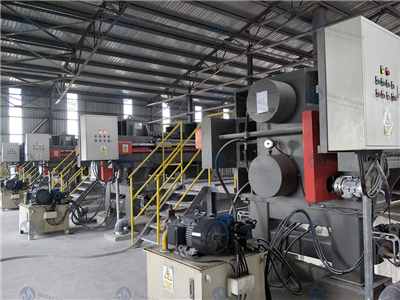


Maintenance costs are a critical aspect of operating any industrial production line, and the PAC (Polyaluminium Chloride) production line is no exception. As a PAC production line supplier, I understand that potential buyers are often concerned about the long - term expenses associated with maintaining these lines. In this blog, I will delve into the various factors that contribute to the maintenance costs of a PAC production line.

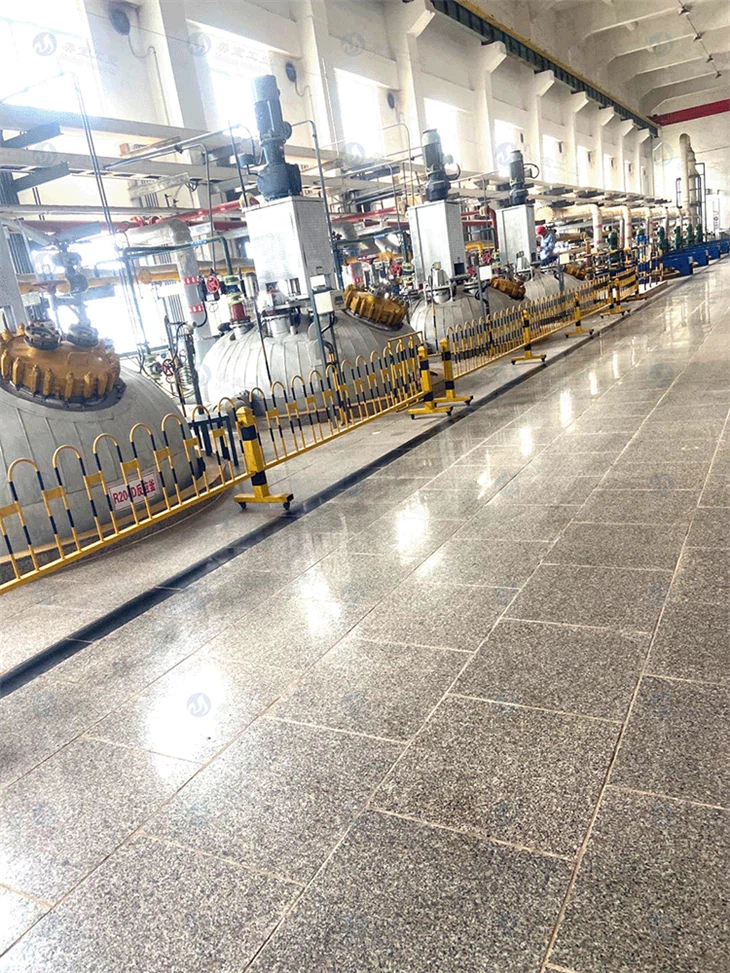
1. Equipment Wear and Tear
The PAC production process involves several pieces of specialized equipment, such as reactors, dryers, and filtration systems. Over time, these components experience natural wear and tear due to continuous operation. For instance, in a High - Efficiency Polyaluminium Chloride (PAC) Drying Line, the drying drums and heating elements are constantly exposed to high temperatures and chemical substances. This can lead to the corrosion of metal parts and the degradation of insulation materials.
To replace worn - out parts, costs can vary significantly depending on the type and size of the equipment. Smaller components, like gaskets and seals, may be relatively inexpensive to replace, perhaps costing a few hundred dollars. However, major equipment parts such as a large - scale reactor vessel can cost tens of thousands of dollars. In addition, the frequency of replacement is also a crucial factor. Some parts may need to be replaced annually, while others can last for several years.
2. Routine Maintenance and Inspections
Regular maintenance and inspections are essential to ensure the safe and efficient operation of the PAC production line. Maintenance personnel need to perform tasks such as cleaning, lubrication, and calibration on a scheduled basis. For example, the filtration systems in a Poly Aluminium Chloride (PAC) Production Line need to be cleaned regularly to prevent clogging, which can reduce production efficiency and even damage the equipment.
The cost of routine maintenance includes labor costs and the cost of maintenance supplies. Hiring skilled maintenance technicians can be a significant expense, especially if they are required to work full - time on the production line. The average hourly wage for a maintenance technician in the chemical industry can range from $20 to $50, depending on their level of expertise and location. In addition, the cost of maintenance supplies, such as lubricants, cleaning agents, and calibration tools, also adds up over time.
3. Energy Consumption
Energy is a major cost component in the operation and maintenance of a PAC production line. The production process requires a significant amount of energy for heating, mixing, and drying. For example, a High - Efficiency PAC Drying Line typically uses a large amount of thermal energy to remove moisture from the PAC product.
The energy source can vary, including electricity, natural gas, or coal. The cost of energy is subject to market fluctuations, and in some regions, energy prices can be quite high. To reduce energy consumption and costs, some production lines are equipped with energy - saving technologies. However, these technologies often require an initial investment, and their effectiveness may vary depending on the specific production process.
4. Chemical and Raw Material Management
In the PAC production process, various chemicals and raw materials are used. Proper management of these substances is crucial for both production efficiency and equipment maintenance. For example, if the quality of the raw materials is poor, it can lead to increased wear and tear on the equipment and may even cause production problems.
The cost of chemical and raw material management includes the cost of purchasing high - quality materials, as well as the cost of storage and handling. Special storage facilities may be required to prevent the degradation of chemicals, and proper handling procedures must be followed to ensure the safety of workers and the integrity of the production line.
5. Regulatory Compliance
The PAC production industry is subject to various environmental and safety regulations. Compliance with these regulations is not only a legal requirement but also has an impact on maintenance costs. For example, the production line may need to be equipped with waste treatment systems to meet environmental standards. These systems require regular maintenance and monitoring to ensure their proper operation.
The cost of regulatory compliance includes the cost of installing and upgrading pollution control equipment, as well as the cost of obtaining necessary permits and conducting regular environmental and safety audits. Failure to comply with regulations can result in significant fines and legal liabilities, which can far outweigh the cost of proper maintenance and compliance.
6. Training and Skill Development
To operate and maintain a PAC production line effectively, workers need to have the necessary skills and knowledge. Providing training and skill development programs for employees is an important part of the overall maintenance cost. Workers need to be trained on how to operate the equipment safely, perform routine maintenance tasks, and troubleshoot common problems.
The cost of training includes the cost of hiring trainers, developing training materials, and providing on - the - job training. In addition, as new technologies and production processes are introduced, continuous training is required to keep workers up - to - date.
Strategies to Reduce Maintenance Costs
While maintenance costs are inevitable, there are several strategies that can be implemented to reduce them. One approach is to invest in high - quality equipment from the beginning. Although the initial purchase price may be higher, high - quality equipment is often more reliable and requires less frequent maintenance and replacement.
Another strategy is to implement a preventive maintenance program. By regularly inspecting and maintaining the equipment, potential problems can be identified and addressed before they become major issues. This can reduce the likelihood of costly breakdowns and unplanned downtime.
Energy - saving measures can also significantly reduce operating costs. For example, upgrading to more energy - efficient equipment or optimizing the production process to reduce energy consumption can lead to substantial savings in the long run.
Conclusion
In conclusion, the maintenance costs of a PAC production line are influenced by a variety of factors, including equipment wear and tear, routine maintenance, energy consumption, chemical and raw material management, regulatory compliance, and training. As a PAC production line supplier, I am committed to providing our customers with high - quality equipment and comprehensive support services to help them manage these costs effectively.
If you are interested in learning more about our PAC production lines or have any questions regarding maintenance costs, I encourage you to contact us for a detailed discussion. Our team of experts is ready to assist you in making the best decision for your production needs.
References
[1] Industry reports on the PAC production and chemical manufacturing sector.
[2] Technical manuals and documentation related to PAC production line equipment.