

Hey there! As a supplier of Detergent Production Lines, I'm super stoked to chat with you about the quality inspection methods for detergents produced by a production line.
First off, let's talk about why quality inspection is a big deal. In the detergent industry, quality isn't just a buzzword; it's the backbone of customer satisfaction and brand reputation. A high - quality detergent not only cleans effectively but also ensures safety for users and the environment.
Physical Inspection
One of the most basic yet crucial quality inspection methods is physical inspection. This involves a visual check of the detergent's appearance. We look at the color, consistency, and presence of any foreign particles. For liquid detergents, a clear and uniform color is usually a good sign. If there are any discolorations or cloudiness, it could indicate issues like contamination or improper mixing.
When it comes to the consistency, it should be neither too thick nor too thin. If it's too thick, it might not dissolve properly in water, and if it's too thin, it may not have enough cleaning power. We use simple tools like a viscosity meter to measure the thickness of the liquid detergent.
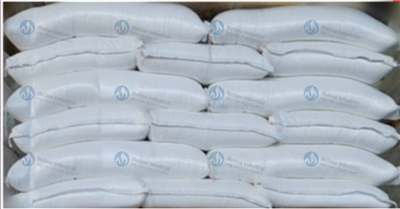
For powder detergents, we check for clumping. Clumps can form due to moisture or improper storage during production. A good powder detergent should be free - flowing and have a consistent texture.
Chemical Analysis
Chemical analysis is another key part of the quality inspection process. We test for the presence and concentration of various chemical components. For example, surfactants are the main cleaning agents in detergents. We need to make sure that the right amount of surfactants is present. Too little, and the detergent won't clean effectively; too much, and it could cause skin irritation.
We also test for the pH level of the detergent. A proper pH level is essential for both cleaning performance and safety. For most detergents, a slightly alkaline pH is ideal as it helps to break down grease and stains. We use pH meters to accurately measure the pH of the detergent samples.

Another important chemical test is for the presence of heavy metals. Heavy metals like lead, mercury, and cadmium can be extremely harmful to human health and the environment. We use advanced analytical techniques like atomic absorption spectroscopy to detect even trace amounts of these heavy metals.
Performance Testing
Performance testing is all about how well the detergent actually cleans. We conduct a series of tests using standardized soiled fabrics. These fabrics are stained with common substances like oil, dirt, and food stains.
We wash these soiled fabrics in a controlled environment using the detergent being tested. Then, we compare the cleanliness of the washed fabrics with a set of standards. This gives us an idea of how effective the detergent is at removing different types of stains.
We also test the detergent's ability to work in different water conditions. Hard water contains minerals like calcium and magnesium, which can reduce the effectiveness of detergents. We test the detergent's performance in both hard and soft water to ensure that it works well in a variety of real - world scenarios.
Microbiological Testing
Microbiological testing is crucial to ensure the safety of the detergent. Detergents can be a breeding ground for bacteria, fungi, and other microorganisms if not properly formulated and stored.
We take samples of the detergent and culture them in a laboratory to check for the presence of harmful microorganisms. If we find any, it could indicate issues with the production process, such as poor sanitation or improper preservation.
Packaging Inspection
Don't forget about the packaging! The packaging of the detergent plays an important role in protecting the product and ensuring its quality. We check for any damage to the packaging, such as leaks, cracks, or improper seals.
We also make sure that the packaging is labeled correctly. The label should include important information like the ingredients, usage instructions, and safety warnings. Incorrect labeling can lead to consumer confusion and potential safety hazards.
Now, if you're in the market for a top - notch Detergent Production Line, we've got some great options for you. Check out our Automatic Liquid Detergent Production Line. It's designed to produce high - quality liquid detergents efficiently.
Our Modern Liquid Detergent Production Plant is another great choice. It offers a comprehensive solution for large - scale detergent production, with state - of - the - art technology and features.
And if you're looking for specific equipment, our Automatic Liquid Detergent Production Equipment is the way to go. It's built to ensure consistent quality and high productivity.
If you're interested in learning more about our products or have any questions about detergent production and quality inspection, don't hesitate to reach out. We're here to help you take your detergent production to the next level.
References
- "Detergent Technology Handbook" by John W. McCutcheon
- "Quality Control in the Detergent Industry" by International Detergent Association