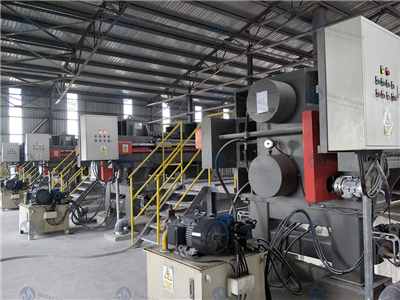


Hey there! I'm a supplier of caustic soda dissolving lines, and today I want to dig into the vibration characteristics of these lines. Caustic soda, also known as sodium hydroxide, is a crucial chemical in various industries, especially in detergent production. Our Caustic Soda Dissolving Section for Detergent Production plays a vital role in making sure the caustic soda is properly dissolved and ready for use.
First off, let's talk about why understanding the vibration characteristics of a caustic soda dissolving line is so important. Vibration can have a big impact on the performance and lifespan of the equipment. Excessive vibration can lead to mechanical failures, such as loose connections, worn-out parts, and even damage to the structure of the line. It can also affect the quality of the dissolving process. If the vibration is not controlled, it might cause uneven mixing of the caustic soda and water, resulting in inconsistent product quality.
One of the main sources of vibration in a caustic soda dissolving line is the pumps. Pumps are used to move the caustic soda solution through the line, and they can generate a significant amount of vibration. The type of pump, its operating speed, and the flow rate all contribute to the vibration level. For example, centrifugal pumps are commonly used in these lines, and they can produce vibrations due to the rotation of the impeller. If the impeller is not balanced properly, it can cause uneven forces, leading to increased vibration.
Another factor that affects the vibration is the piping system. The pipes in a caustic soda dissolving line need to be properly supported and installed. If the pipes are not secured well, they can vibrate as the solution flows through them. This vibration can be amplified if there are sharp bends or sudden changes in the pipe diameter. Additionally, the material of the pipes can also influence the vibration characteristics. Some materials are more prone to vibration than others, and choosing the right pipe material can help reduce the overall vibration level.
The agitators in the dissolving tank also play a role in the vibration. Agitators are used to mix the caustic soda and water, and they can create vibrations as they rotate. The design of the agitator, including the shape and size of the blades, can affect the vibration pattern. A poorly designed agitator may cause excessive turbulence, which in turn leads to more vibration.
Now, let's look at how we can measure and analyze the vibration characteristics of a caustic soda dissolving line. There are several methods available for measuring vibration, such as using accelerometers. Accelerometers are sensors that can detect the acceleration of the vibration and convert it into an electrical signal. By placing accelerometers at different points along the line, we can get a detailed picture of the vibration levels and patterns.
Once we have measured the vibration, we can analyze the data to identify any potential problems. For example, we can look for frequencies that are associated with specific components, such as the pumps or agitators. If we notice a high vibration frequency at a particular point, it could indicate a problem with that component. We can also compare the vibration levels to industry standards to determine if the line is operating within an acceptable range.
To reduce the vibration in a caustic soda dissolving line, there are several strategies we can employ. One approach is to use vibration isolation mounts. These mounts are designed to absorb and dampen the vibration, preventing it from spreading to other parts of the line. We can install these mounts under the pumps, agitators, and other equipment to reduce the vibration transmission.
Another way to reduce vibration is to optimize the operating conditions of the equipment. For example, we can adjust the speed of the pumps and agitators to minimize the vibration. By finding the optimal operating speed, we can reduce the stress on the components and improve the overall stability of the line.
Proper maintenance is also crucial for controlling the vibration. Regularly inspecting the equipment for loose connections, worn-out parts, and other issues can help prevent excessive vibration. We should also make sure that the equipment is properly lubricated to reduce friction and wear, which can contribute to vibration.
In conclusion, understanding the vibration characteristics of a caustic soda dissolving line is essential for ensuring its reliable operation and the quality of the final product. By identifying the sources of vibration, measuring and analyzing the data, and implementing appropriate measures to reduce the vibration, we can improve the performance and lifespan of the line.
If you're in the market for a caustic soda dissolving line or have any questions about the vibration characteristics, feel free to reach out. We're here to help you find the best solution for your needs and ensure that your production process runs smoothly.
References


- "Industrial Pump Handbook" by Igor J. Karassik et al.
- "Piping Design and Engineering" by George A. Antaki
- "Mixing: Theory and Practice" by Paul A. Ramshaw