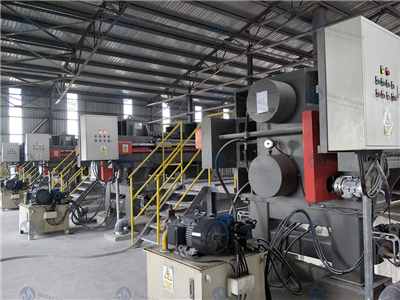


Hey there! I'm a supplier of rock wool production lines, and today I wanna talk about something super important - the energy consumption of a rock wool production line.
First off, let's get into what rock wool is. Rock wool is an insulation material made from natural rocks like basalt. It's known for its great thermal insulation, fire resistance, and sound absorption properties. That's why it's widely used in buildings, industrial facilities, and even in some automotive applications.
Now, let's dive into the energy consumption part. A rock wool production line involves several key processes, and each of them uses energy.
The first step is the raw material preparation. We need to crush and screen the rocks to the right size. Crushers and screens are powered by electricity. The energy used here depends on the size and hardness of the rocks, as well as the capacity of the equipment. For example, if we're dealing with really hard basalt and using a high - capacity crusher, it's gonna consume more power.
Next comes the melting process. This is where a large amount of energy is used. We put the prepared raw materials into a furnace, usually a cupola furnace or an electric arc furnace. In a cupola furnace, coke is burned as a fuel to heat the rocks to a high temperature, around 1400 - 1600 degrees Celsius. The amount of coke needed and the energy released from its combustion depend on the furnace's efficiency and the quantity of raw materials.
On the other hand, an electric arc furnace uses electricity to create an arc between electrodes, which generates the heat to melt the rocks. Electric arc furnaces are generally more energy - efficient in some aspects, but they still require a significant amount of electrical power. The power consumption of an electric arc furnace can range from several hundred kilowatts to several megawatts, depending on its size and the production rate.
After the rocks are melted, we have the fiberizing process. In this step, the molten rock is transformed into fibers. There are different methods for fiberizing, such as the centrifugal method or the blowing method.
The centrifugal method uses a high - speed spinning device. The molten rock is fed onto the spinning wheel, and the centrifugal force throws the molten material out into fine fibers. This spinning device is powered by an electric motor. The energy consumption here is related to the speed of the spinning wheel and the volume of molten rock being processed.
The blowing method involves blowing high - pressure air or steam onto the molten rock to form fibers. Compressors are used to generate the high - pressure air or steam, and these compressors consume a fair amount of electricity.
Once the fibers are formed, we move on to the binding and curing process. We add binders to the fibers to hold them together, and then the fiber mat goes through a curing oven. The curing oven uses heat to dry and cure the binders. This heat can be provided by natural gas, electricity, or other fuels. The energy consumption of the curing oven depends on its temperature, the size of the fiber mat, and the type of binder used.
The final steps include cutting, packaging, and quality control. Cutting machines and packaging equipment are also powered by electricity, but their energy consumption is relatively small compared to the previous processes.
So, as you can see, a rock wool production line has multiple energy - consuming processes. The total energy consumption varies based on many factors, such as the production capacity, the type of equipment used, and the efficiency of the processes.
For a small - scale rock wool production line with a production capacity of around 5,000 tons per year, the total energy consumption might be in the range of 1,000 - 2,000 megawatt - hours per year. This includes electricity for crushers, electric arc furnaces (if used), fiberizing equipment, and other auxiliary machinery, as well as the energy from fuels like coke or natural gas for melting and curing.
For a large - scale production line with a capacity of 50,000 tons or more per year, the energy consumption can be much higher, potentially reaching tens of thousands of megawatt - hours per year.
Now, as a supplier of Stone Wool Production Line, we understand the importance of energy efficiency. We're constantly working on improving our production line designs to reduce energy consumption.
We use advanced furnace technologies that can better utilize the energy from fuels or electricity. For example, some of our furnaces have better insulation materials, which reduce heat loss and thus save energy. In the fiberizing process, we've developed more energy - efficient spinning devices and compressor systems.
In the curing process, we've optimized the oven designs to ensure that the heat is evenly distributed and used more effectively. This not only saves energy but also improves the quality of the rock wool products.
If you're in the market for a rock wool production line, energy consumption should be one of your top considerations. A more energy - efficient production line can save you a lot of money in the long run, not to mention being more environmentally friendly.


We're here to offer you high - quality rock wool production lines that are designed with energy efficiency in mind. Whether you're a small - scale manufacturer looking to start your rock wool production or a large - scale enterprise wanting to upgrade your existing line, we've got the solutions for you.
If you're interested in learning more about our rock wool production lines or have any questions about energy consumption and production capacity, don't hesitate to reach out. We can have a detailed discussion about your specific needs and how our products can meet them.
Let's work together to build a more energy - efficient and profitable rock wool production business!
References
- Industry reports on rock wool production technology
- Research papers on energy efficiency in industrial manufacturing processes