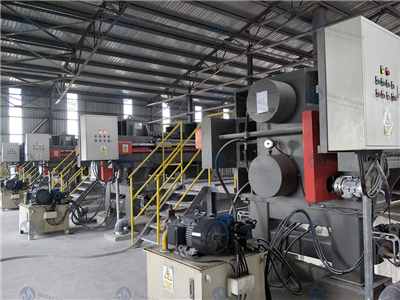


What is the flow rate in the caustic soda dissolving line?
As a trusted supplier of caustic soda dissolving lines, I often encounter inquiries from customers about the flow rate in these systems. Understanding the flow rate is crucial for the efficient and safe operation of a caustic soda dissolving line, especially in industries such as detergent production. In this blog, I'll delve into what the flow rate means in the context of a caustic soda dissolving line, its significance, factors affecting it, and how to optimize it.


What is the flow rate in a caustic soda dissolving line?
The flow rate in a caustic soda dissolving line refers to the volume of caustic soda solution or the components involved in the dissolving process (such as caustic soda solids and water) that pass through a specific point in the line per unit of time. It is typically measured in units like liters per minute (L/min), cubic meters per hour (m³/h), or gallons per minute (GPM).
In a typical caustic soda dissolving line, there are multiple stages where flow rates need to be considered. For example, the flow rate of water entering the dissolving tank, the flow rate of caustic soda solids being fed into the system, and the flow rate of the resulting caustic soda solution leaving the tank. These flow rates are inter - related and need to be carefully balanced to achieve the desired concentration and production efficiency.
Significance of flow rate in a caustic soda dissolving line
- Concentration control: The flow rate of water and caustic soda solids directly affects the concentration of the final caustic soda solution. If the flow rate of caustic soda solids is too high relative to the water flow rate, the solution will be too concentrated, which can lead to safety hazards and may not meet the requirements of downstream processes. Conversely, if the water flow rate is too high, the solution will be too dilute, resulting in inefficiencies in production.
- Production efficiency: A proper flow rate ensures that the dissolving process occurs at an optimal speed. If the flow rate is too low, the production capacity will be limited, and it may take longer to produce the required amount of caustic soda solution. On the other hand, an excessively high flow rate may not allow sufficient time for the caustic soda to dissolve completely, leading to undissolved particles in the solution and potential blockages in the line.
- Safety: Maintaining the correct flow rate is essential for safety. Caustic soda is a highly corrosive substance, and improper flow rates can cause over - pressurization, spills, or splashes, which pose risks to operators and the environment.
Factors affecting the flow rate in a caustic soda dissolving line
- Pump capacity: The pumps used in the caustic soda dissolving line play a crucial role in determining the flow rate. The capacity of the pump, which is usually specified in terms of the maximum flow rate it can achieve, limits the amount of fluid that can be moved through the line. A pump with insufficient capacity will result in a low flow rate, while an oversized pump may cause excessive flow and potential damage to the system.
- Pipe diameter and length: The diameter and length of the pipes in the dissolving line affect the flow rate. A larger pipe diameter generally allows for a higher flow rate, as there is less resistance to the flow of fluid. Longer pipes, on the other hand, increase the frictional resistance, which can reduce the flow rate.
- Viscosity of the solution: The viscosity of the caustic soda solution changes with its concentration and temperature. A more concentrated solution or a solution at a lower temperature is typically more viscous. Higher viscosity increases the resistance to flow, reducing the flow rate.
- Pressure in the system: The pressure difference across the dissolving line also influences the flow rate. Higher pressure can force the fluid to flow at a faster rate, but it must be within the safe operating range of the system to avoid damage.
Optimizing the flow rate in a caustic soda dissolving line
- Proper pump selection: Selecting the right pump is crucial. Consider the required flow rate, pressure, and the properties of the caustic soda solution. A pump with variable speed control can be beneficial as it allows for adjustment of the flow rate according to the production needs.
- Pipe design: Use pipes with an appropriate diameter and length to minimize frictional losses. Smooth - walled pipes can also reduce resistance and improve the flow rate. Additionally, ensure that the pipes are properly installed and free from obstructions.
- Temperature control: Maintaining an appropriate temperature of the caustic soda solution can help control its viscosity. Heating the solution within a safe range can reduce viscosity and increase the flow rate.
- Flow rate monitoring and control: Install flow meters at key points in the dissolving line to continuously monitor the flow rate. Use control valves to adjust the flow rate as needed. Automated control systems can be set up to maintain a constant and optimal flow rate based on pre - determined parameters.
In the context of detergent production, a well - optimized caustic soda dissolving line is essential. You can learn more about our Caustic Soda Dissolving Section for Detergent Production on our website.
Conclusion
The flow rate in a caustic soda dissolving line is a critical parameter that affects the concentration, efficiency, and safety of the process. By understanding the factors that influence the flow rate and taking appropriate measures to optimize it, you can ensure the smooth operation of your caustic soda dissolving line.
If you are in the market for a caustic soda dissolving line or need to optimize your existing system, we are here to help. Our team of experts can provide you with customized solutions based on your specific requirements. Contact us to start a discussion about your needs and explore how our caustic soda dissolving lines can benefit your business.
References
- "Chemical Engineering Fluid Mechanics" by Ron Darby. This book provides in - depth knowledge about fluid flow principles, which are applicable to understanding flow rates in caustic soda dissolving lines.
- Industry standards and guidelines related to caustic soda handling and processing, which offer valuable information on safe and efficient flow rate management.