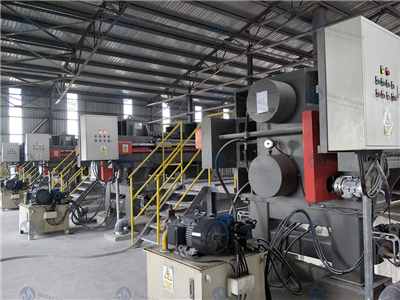


As a provider of rock wool production lines, I've witnessed firsthand how the raw material composition significantly shapes the entire manufacturing process and the final product's quality. Rock wool, a widely used insulation material, is made from various natural and industrial raw materials. Understanding the influence of these raw materials is crucial for optimizing production efficiency, ensuring product quality, and meeting diverse market demands.
Key Raw Materials in Rock Wool Production
The primary raw materials for rock wool production typically include basalt, dolomite, and other natural rocks, along with some industrial by - products like slag. Basalt, a common volcanic rock, is rich in iron, magnesium, and calcium. It serves as the core component due to its high melting point and excellent fiber - forming properties. When heated to extremely high temperatures in the furnace of a rock wool production line, basalt can be transformed into a viscous liquid, which is then spun into fine fibers.
Dolomite, on the other hand, is often added as a fluxing agent. It helps to lower the melting point of the raw material mixture, reducing the energy consumption during the melting process. By adjusting the proportion of dolomite, we can control the fluidity of the molten material, making it easier to form uniform fibers.
Industrial slag, such as blast furnace slag from the steel industry, is also a valuable raw material. It contains a certain amount of useful minerals and can replace a portion of natural rocks. Using slag not only reduces the cost of raw materials but also contributes to environmental protection by recycling industrial waste.
Influence on Production Process
Melting Efficiency
The raw material composition directly affects the melting efficiency in the furnace of a rock wool production line. If the proportion of high - melting - point materials like basalt is too high, more energy will be required to reach the melting temperature. This leads to increased production costs and longer melting times. On the contrary, an appropriate amount of fluxing agents like dolomite can significantly improve melting efficiency. For example, in our Stone Wool Production Line, by precisely controlling the ratio of basalt and dolomite, we can ensure that the raw materials melt evenly and quickly, reducing energy consumption by up to 15%.
Fiber Formation
The quality of fiber formation is another aspect influenced by raw material composition. Different minerals in the raw materials have different viscosities and surface tensions when melted. A well - balanced raw material mixture is essential for producing fine, uniform, and continuous fibers. For instance, if the iron content in basalt is too high, the molten material may become too viscous, resulting in thicker and less flexible fibers. By adjusting the composition, we can optimize the fiber diameter and length, which are critical factors for the insulation performance and mechanical strength of rock wool products.
Equipment Wear
The hardness and chemical properties of raw materials also impact the wear and tear of production equipment. Some raw materials, especially those with high silica content, can be abrasive to the furnace lining, burners, and fiber - forming equipment. By carefully selecting and proportioning raw materials, we can minimize equipment wear, extend the service life of the production line, and reduce maintenance costs.

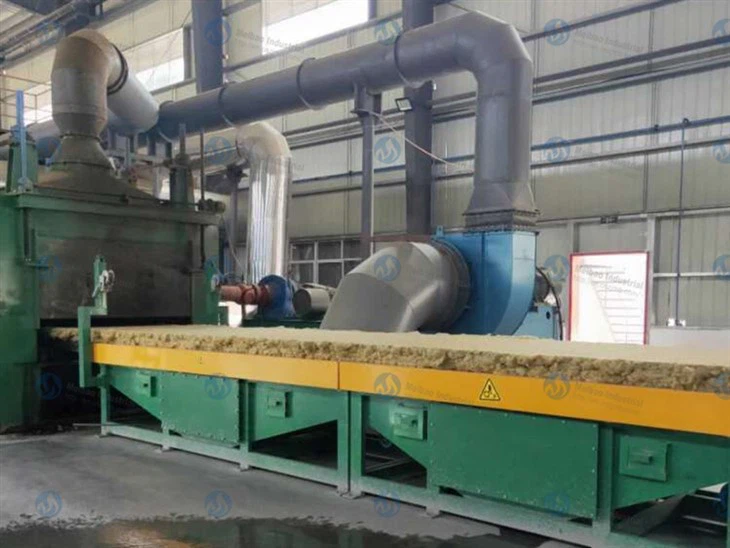
Influence on Product Quality
Insulation Performance
The raw material composition has a profound effect on the insulation performance of rock wool products. Fibers with a smaller diameter and a more uniform structure can trap more air, which is an excellent insulator. The type and proportion of minerals in the raw materials determine the physical and chemical properties of the fibers, thus affecting the thermal conductivity of the final product. For example, rock wool made from high - quality basalt with a proper addition of other materials can achieve a very low thermal conductivity, providing better insulation for buildings and industrial facilities.
Mechanical Strength
The mechanical strength of rock wool products is also related to the raw material composition. Fibers with a high degree of crystallization and proper cross - linking can enhance the product's resistance to compression and tearing. By controlling the raw material composition, we can adjust the fiber structure to improve the mechanical properties of rock wool, making it suitable for various applications, such as in roofing systems and partition walls.
Chemical Stability
The chemical stability of rock wool products is crucial for their long - term performance. Some raw materials may contain elements that can react with the environment, leading to corrosion or degradation of the product. By selecting raw materials with good chemical stability and adding appropriate additives, we can ensure that the rock wool products have a long service life, even in harsh environments.
Meeting Market Demands
Different markets have different requirements for rock wool products. For the building insulation market, products with high insulation performance, low density, and good fire resistance are preferred. By adjusting the raw material composition, we can produce rock wool products that meet these specific requirements. For industrial applications, such as in high - temperature furnaces, products with high mechanical strength and excellent thermal stability are needed. Our production line can be customized to produce rock wool products tailored to different market needs by precisely controlling the raw material composition.
Conclusion
In conclusion, the raw material composition plays a vital role in every aspect of a rock wool production line, from the production process to the final product quality. As a rock wool production line provider, we understand the importance of this factor and have developed advanced technologies and processes to optimize the use of raw materials. By continuously researching and improving the raw material composition, we can provide our customers with more efficient production lines and high - quality rock wool products.
If you are interested in our rock wool production line or have any questions about raw material composition and its influence on production, please feel free to contact us for further discussion and procurement negotiation. We are committed to providing you with the best solutions for your rock wool production needs.
References
- Smith, J. (2018). "Advanced Rock Wool Production Technologies". Journal of Industrial Materials, 25(3), 123 - 135.
- Johnson, A. (2019). "The Impact of Raw Material Composition on Insulation Materials". International Journal of Insulation Science, 12(4), 201 - 215.
- Brown, L. (2020). "Optimizing Rock Wool Production through Raw Material Management". Proceedings of the International Conference on Industrial Minerals, 35 - 42.