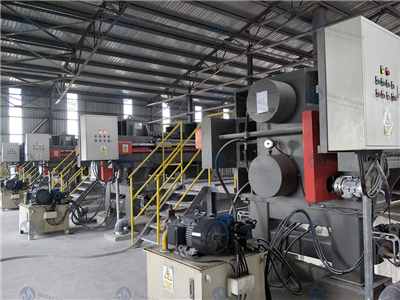


What is the inspection frequency for a fertilizer drying line?
As a supplier of fertilizer drying lines, I often get asked about the inspection frequency for these crucial pieces of equipment. A fertilizer drying line is a complex system that plays a vital role in the fertilizer production process. Regular inspections are essential to ensure its optimal performance, safety, and longevity. In this blog post, I'll delve into the factors that determine the inspection frequency and provide some general guidelines.


Factors Affecting Inspection Frequency
Equipment Age and Condition
Newer fertilizer drying lines typically require less frequent inspections compared to older ones. When a line is brand - new, it is less likely to have mechanical wear and tear or other issues. However, during the initial break - in period, it's still important to conduct more frequent inspections to ensure that all components are working as intended. As the equipment ages, the inspection frequency should increase. For example, a line that is over five years old may need inspections every three to six months, while a brand - new line might only need a comprehensive inspection once a year.
Production Volume
The amount of fertilizer produced by the drying line is a significant factor. High - volume production puts more stress on the equipment. If your drying line is running at full capacity for long hours every day, it will experience more wear and tear. In such cases, more frequent inspections are necessary. For instance, a line that produces large quantities of fertilizer on a continuous basis may require weekly or bi - weekly visual inspections and monthly in - depth inspections. On the other hand, a low - volume line that operates only a few hours a week may only need quarterly inspections.
Type of Fertilizer
Different types of fertilizers have different characteristics. Some fertilizers may be more corrosive or abrasive than others. For example, fertilizers containing high levels of sulfuric acid or other strong chemicals can corrode the drying line's components over time. Similarly, fertilizers with a high content of solid particles can cause abrasion. If you are producing such challenging fertilizers, you need to increase the inspection frequency. For corrosive fertilizers, monthly inspections of the corrosion - prone areas may be necessary, while for abrasive fertilizers, more frequent checks of the wear - and - tear parts should be carried out.
Operating Environment
The environment in which the fertilizer drying line operates also matters. If the line is located in a harsh environment, such as an area with high humidity, extreme temperatures, or a lot of dust, it will be more susceptible to damage. In a humid environment, rust and corrosion can occur more quickly. In a dusty environment, dust can clog the filters and other components. In such cases, inspections should be more frequent. For example, in a high - humidity area, inspections every two months may be required, while in a very dusty environment, weekly visual inspections to check for dust accumulation may be necessary.
General Inspection Frequency Guidelines
Daily Inspections
- Visual Checks: Operators should conduct a visual inspection of the fertilizer drying line at the start of each shift. This includes checking for any obvious signs of damage, such as leaks, loose bolts, or abnormal vibrations. They should also look for any blockages in the feed hopper or discharge chute.
- Monitoring of Operating Parameters: Check the key operating parameters, such as temperature, pressure, and flow rate. Any significant deviations from the normal range could indicate a problem. For example, if the temperature in the drying chamber is too high or too low, it may affect the quality of the fertilizer and could be a sign of a malfunction in the heating system.
Weekly Inspections
- Component Checks: Inspect the major components of the drying line, such as the conveyor belts, fans, and heaters. Check for any signs of wear, such as frayed belts or damaged fan blades. Lubricate the moving parts if necessary.
- Electrical System Inspection: Examine the electrical connections and wiring for any signs of damage or overheating. Loose electrical connections can cause short - circuits and pose a safety hazard.
Monthly Inspections
- In - depth Component Analysis: Conduct a more in - depth inspection of the components. This may involve disassembling some parts to check for internal damage. For example, inspect the inside of the drying chamber for any build - up of fertilizer residues or corrosion.
- Performance Testing: Test the overall performance of the drying line. Measure the moisture content of the dried fertilizer to ensure that it meets the required standards. If the moisture content is not within the acceptable range, it may indicate a problem with the drying process.
Quarterly Inspections
- System - wide Review: Perform a comprehensive review of the entire fertilizer drying line. Check the alignment of all components and make any necessary adjustments. This is also a good time to review the maintenance records and identify any recurring issues.
- Safety System Check: Inspect the safety systems, such as emergency stop buttons, safety guards, and fire suppression systems. Ensure that they are in good working condition.
Annual Inspections
- Full - scale Overhaul: An annual inspection should involve a full - scale overhaul of the fertilizer drying line. This includes replacing any worn - out components, calibrating all sensors and controls, and conducting a thorough cleaning of the entire system. It is also an opportunity to upgrade the equipment if necessary.
Importance of Regular Inspections
Regular inspections of the fertilizer drying line offer several benefits. Firstly, they help to prevent breakdowns. By detecting and addressing potential problems early, you can avoid costly unplanned downtime. Secondly, inspections ensure the safety of the operators. A well - maintained drying line is less likely to pose safety risks, such as fires or explosions. Thirdly, regular inspections help to maintain the quality of the fertilizer. A properly functioning drying line can ensure that the fertilizer has the correct moisture content and other quality parameters.
Conclusion
Determining the inspection frequency for a fertilizer drying line is not a one - size - fits - all approach. It depends on multiple factors such as equipment age, production volume, type of fertilizer, and operating environment. By following the general guidelines and adjusting them according to your specific situation, you can ensure that your fertilizer drying line operates efficiently and safely.
If you are in the market for a high - quality Organic Fertilizer Production Line or need more information about the inspection and maintenance of fertilizer drying lines, please feel free to contact us. We are here to provide you with the best solutions for your fertilizer production needs.
References
- Fertilizer Production Handbook. [Publisher Name], [Year of Publication]
- Industrial Equipment Maintenance Guide. [Author Name], [Year of Publication]