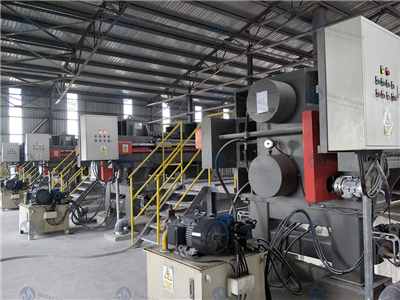


The investment return period of a detergent powder production line is a crucial concern for entrepreneurs and investors looking to enter the detergent manufacturing industry. As a supplier of detergent powder production lines, I understand the significance of this metric in evaluating the feasibility and profitability of such an investment. In this blog post, I will delve into the factors that influence the investment return period and provide insights on how to estimate it accurately.
Factors Affecting the Investment Return Period
Initial Investment
The initial investment in a detergent powder production line includes the cost of equipment, installation, infrastructure, and working capital. The type and scale of the production line, as well as the level of automation, can significantly impact the initial investment. For example, a fully automated production line with advanced technology and high - capacity equipment will require a larger upfront investment compared to a semi - automated or manual line.
Production Capacity
The production capacity of the detergent powder production line determines the volume of products that can be manufactured within a given period. Higher production capacity generally means more products can be sold, leading to increased revenue. However, it also requires a larger market demand to absorb the output. If the market demand does not match the production capacity, it may result in overproduction and inventory buildup, which can delay the investment return.
Operating Costs
Operating costs include raw materials, labor, energy, maintenance, and marketing expenses. The cost of raw materials, such as surfactants, builders, and fillers, can fluctuate depending on market conditions. Labor costs are influenced by the number of workers required and the local wage rate. Energy consumption is a significant part of the operating costs, especially for production lines with high - energy equipment. Effective cost management is essential to shorten the investment return period.
Market Price and Demand
The market price of detergent powder and the demand for it play a vital role in determining the revenue. A high - quality product with a competitive price can attract more customers and increase sales volume. Market demand is affected by factors such as population growth, consumer preferences, and economic conditions. A stable and growing market demand can accelerate the investment return.
Estimating the Investment Return Period
To estimate the investment return period, we need to calculate the annual net cash flow and divide the initial investment by it. The annual net cash flow is the difference between the annual revenue and the annual operating costs.
Let's assume an example:
- Initial Investment: $500,000 for a medium - scale detergent powder production line, including equipment purchase, installation, and initial working capital.
- Production Capacity: The production line can produce 10,000 tons of detergent powder per year.
- Operating Costs:
- Raw Materials: $200 per ton, so for 10,000 tons, it is $2,000,000 per year.
- Labor: $300,000 per year.
- Energy: $200,000 per year.
- Maintenance and Other Expenses: $100,000 per year.
- Total operating costs = $2,000,000 + $300,000+ $200,000 + $100,000 = $2,600,000 per year.
- Market Price: The average market price of detergent powder is $300 per ton.
- Annual Revenue: With a production of 10,000 tons per year, the annual revenue is $300 x 10,000 = $3,000,000.
- Annual Net Cash Flow: Annual revenue - Annual operating costs = $3,000,000 - $2,600,000 = $400,000.
The investment return period = Initial Investment / Annual Net Cash Flow = $500,000 / $400,000 = 1.25 years.
However, this is a simplified example, and in real - world scenarios, there are many uncertainties and variables that need to be considered.
Strategies to Shorten the Investment Return Period
Optimize Production Process
Implementing advanced production technologies and optimizing the production process can improve efficiency, reduce waste, and lower operating costs. For example, using energy - efficient equipment can reduce energy consumption, and automating certain processes can reduce labor costs.
Improve Product Quality
High - quality detergent powder can command a higher price in the market and attract more customers. By investing in research and development, improving the formulation, and ensuring strict quality control, the product can gain a competitive edge, leading to increased sales and revenue.
Expand Market Reach
Developing effective marketing strategies to expand the market reach is crucial. This can include targeting new customer segments, entering new geographical markets, and building strong brand awareness. For instance, promoting the detergent powder as an eco - friendly or cost - effective option can attract more environmentally conscious or price - sensitive customers.

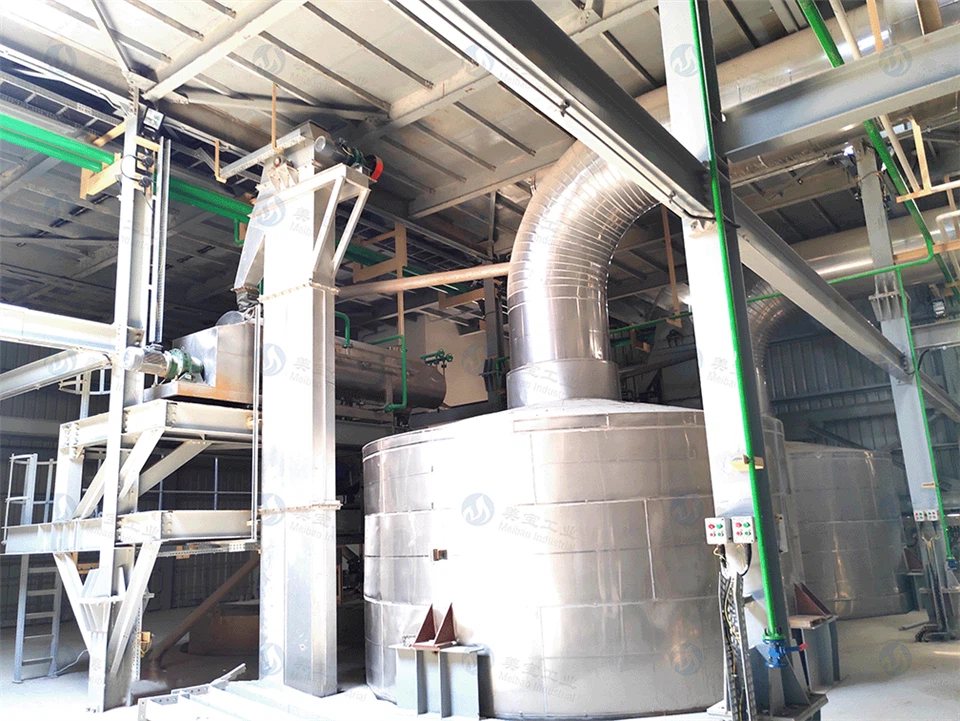
Related Production Lines
If you are also interested in related production lines, we offer the Solid Sodium Silicate Production Line and the Turnkey Project CaCl₂ Calcium Chloride Production Line – Fully Automatic System. These production lines can be integrated into your detergent powder manufacturing process to enhance efficiency and product quality.
Conclusion
The investment return period of a detergent powder production line is influenced by multiple factors, including initial investment, production capacity, operating costs, market price, and demand. By carefully analyzing these factors, estimating the investment return period accurately, and implementing effective strategies to shorten it, entrepreneurs can make informed investment decisions.
If you are considering investing in a detergent powder production line, I encourage you to contact us for more detailed information and to discuss your specific requirements. Our team of experts can provide you with customized solutions and support to help you achieve a successful investment.
References
- "Detergent Manufacturing Handbook" by P. K. Ghosh
- "Industrial Engineering and Management" by O. P. Khanna
- Market research reports on the detergent industry.