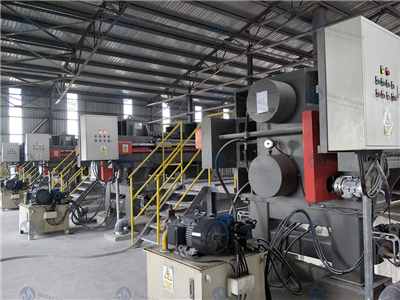


As a supplier of Quartz Sand Drying Screening Lines, I often receive inquiries about the power requirements of these systems. Understanding the power needs is crucial for efficient operation, cost - effectiveness, and proper system design. In this blog, I will delve into the factors that influence the power requirement of a Quartz Sand Drying Screening Line and provide a comprehensive analysis.
Factors Affecting Power Requirement
1. Drying Equipment
The drying stage is one of the most power - intensive parts of the Quartz Sand Drying Screening Line. There are different types of dryers available, each with its own power consumption characteristics. For example, the Rotary Industrial Flash Dryer / Kaolin Air Flash Dryer With ISO9001 Certification is a popular choice. This type of dryer uses hot air to quickly dry the quartz sand. The power required for this dryer depends on several factors:
- Heating System: The energy needed to heat the air to the required temperature is a major component of the power consumption. If the dryer uses an electric heating element, it will draw a significant amount of power. Gas - fired heating systems, on the other hand, may have lower electrical power requirements but still need power for fans and control systems.
- Fan Power: Fans are used to circulate the hot air through the dryer. The size and speed of the fans determine their power consumption. Larger fans or fans operating at higher speeds will require more power.
Another type of drying equipment is the Stainless Steel Spray Drying Machine. This machine atomizes the wet quartz sand into small droplets and then dries them in a hot air stream. The power requirements of a spray - drying machine include the power for the atomizer, the heating system, and the air - handling equipment.
2. Screening Equipment
The screening stage is used to separate the dried quartz sand into different particle sizes. The power consumption of screening equipment depends on the following factors:
- Vibrating Mechanism: Most screening machines use a vibrating mechanism to move the sand across the screens. The power required for the vibrating motor depends on the size and weight of the screening machine, as well as the amplitude and frequency of the vibration.
- Screen Area: Larger screen areas generally require more power to operate effectively. This is because more sand needs to be moved across the screen, and the vibrating mechanism has to work harder to ensure proper separation.
3. Conveying Equipment
Conveyors are used to move the quartz sand between different stages of the drying and screening process. Belt conveyors, screw conveyors, and pneumatic conveyors are commonly used in Quartz Sand Drying Screening Lines. The power consumption of conveyors depends on:
- Conveyor Length and Capacity: Longer conveyors and conveyors with higher capacities require more power to move the sand. The power needed is proportional to the distance the sand needs to be transported and the amount of sand being moved per unit time.
- Conveyor Type: Different types of conveyors have different power requirements. For example, pneumatic conveyors use compressed air to move the sand, which requires power for the air compressor. Belt conveyors, on the other hand, mainly rely on an electric motor to drive the belt.
4. Control and Monitoring Systems
Modern Quartz Sand Drying Screening Lines are often equipped with sophisticated control and monitoring systems. These systems are used to regulate the temperature, humidity, and flow rate of the sand throughout the process. The power consumption of control and monitoring systems is relatively small compared to the drying, screening, and conveying equipment. However, it still needs to be considered in the overall power requirement calculation.
Calculating the Power Requirement
To calculate the power requirement of a Quartz Sand Drying Screening Line, we need to consider the power consumption of each individual component. Here is a general approach:
- List All Components: Make a list of all the equipment in the line, including dryers, screening machines, conveyors, and control systems.
- Determine the Power Rating of Each Component: Check the manufacturer's specifications for each piece of equipment to find its rated power consumption. This information is usually provided in kilowatts (kW).
- Account for Operating Conditions: The actual power consumption may vary depending on the operating conditions. For example, if the dryer is operating at a higher temperature or the conveyor is carrying a heavier load, the power consumption will increase. It is important to consider these factors when calculating the total power requirement.
- Calculate the Total Power Requirement: Add up the power consumption of all the components to get the total power requirement of the Quartz Sand Drying Screening Line.
Energy - Saving Measures
Reducing the power consumption of a Quartz Sand Drying Screening Line is not only beneficial for the environment but also for the bottom line. Here are some energy - saving measures that can be implemented:

- Optimize the Drying Process: Use advanced control systems to optimize the drying temperature and air flow, reducing the energy needed for heating and air circulation.
- Improve Equipment Efficiency: Regular maintenance of the drying, screening, and conveying equipment can improve their efficiency and reduce power consumption. For example, cleaning the filters in the dryer and lubricating the moving parts of the screening machine can make them operate more smoothly.
- Use Energy - Efficient Equipment: When purchasing new equipment, choose models that are designed to be energy - efficient. For example, some dryers use heat recovery systems to reuse the waste heat, reducing the overall energy consumption.
Conclusion
The power requirement of a Quartz Sand Drying Screening Line is influenced by various factors, including the type of drying equipment, screening equipment, conveying equipment, and control systems. By understanding these factors and implementing energy - saving measures, it is possible to optimize the power consumption of the line.
If you are interested in our Quartz Sand Drying Screening Line and want to discuss the power requirements and other aspects of the system, please feel free to contact us for a detailed consultation. We are committed to providing high - quality equipment and customized solutions to meet your specific needs.
References
- Perry, R. H., & Green, D. W. (1997). Perry's Chemical Engineers' Handbook. McGraw - Hill.
- Svarovsky, L. (1990). Solid - Liquid Separation. Butterworth - Heinemann.