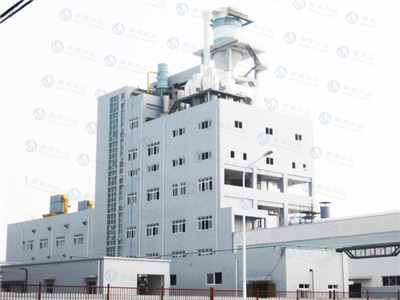

For many factories, the heat source has a direct effect on production cost. Drying processes often run for long hours, so fuel choice, heat efficiency, and equipment stability all matter in daily operation.
Zhejiang Meibao Industrial Technology Co., Ltd. provides Biomass Hot Air Furnace solutions for manufacturers who need stable hot air and better fuel flexibility. The system can use different biomass fuels, such as palm shells, wood chips, straw, and other agricultural residues.

Using Local Biomass Fuels for Industrial Heating
In many regions, biomass materials are easier to obtain than conventional fuels. A biomass hot air furnace can help factories make better use of local energy resources and reduce dependence on oil, gas, or coal.
The furnace converts biomass fuel into stable hot air for industrial drying and heating processes. It can be matched with different production lines according to drying capacity, required temperature, fuel condition, and plant layout.
Suitable for Different Production Lines
Meibao's biomass hot air furnace can be used in many industrial fields, including:
Detergent powder production
Feed drying
Fertilizer drying
Building material production
Gypsum drying
Kaolin drying
Other industrial drying systems
A stable hot air supply helps keep the drying process more consistent and supports continuous factory operation.
Main Benefits for Manufacturers
A well-designed biomass heating system can help manufacturers improve daily production in several ways:
Uses various biomass fuels
Supports lower fuel cost pressure
Provides stable hot air for drying
Improves energy utilization
Supports continuous industrial operation
Reduces dependence on conventional fossil fuels
Can be customized for different drying systems

Meibao Biomass Heating Solution
Choosing the right hot air furnace is not only about current production. It is also about long-term energy planning and operating cost control.
Meibao provides customized biomass hot air furnace solutions based on customer fuel resources, production process, temperature requirements, air volume, and site conditions. With proper system design, manufacturers can improve heating stability and make better use of available energy resources.
Contact us to discuss your biomass hot air furnace project.