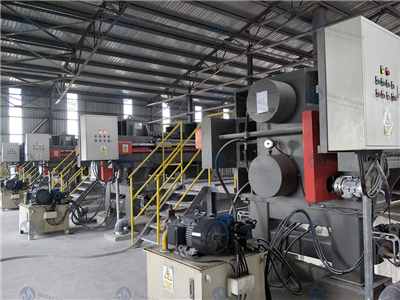


Hey there! As a supplier of calcium chloride production lines, I know firsthand how crucial it is to ensure the safety of workers on the job. Calcium chloride production involves various chemical processes and machinery, which can pose significant risks if not managed properly. In this blog post, I'll share some practical tips on how to keep your workers safe in a calcium chloride production line.
1. Provide Comprehensive Training
One of the most important steps in ensuring worker safety is to provide thorough training. All employees should receive training on the proper use of equipment, handling of chemicals, and emergency procedures. This training should be ongoing, with regular refresher courses to keep workers up - to - date on safety protocols.
For example, workers need to know how to operate the machinery in the Optimized Calcium Chloride Production Line For Efficient Bulk Manufacturing safely. They should understand the controls, the maintenance requirements, and what to do in case of a malfunction. When it comes to chemical handling, training should cover the properties of calcium chloride and other chemicals used in the production process, such as how to store them, how to handle spills, and what personal protective equipment (PPE) is required.
2. Use Appropriate Personal Protective Equipment (PPE)
PPE is a must in a calcium chloride production line. Workers should be provided with and required to wear the right gear at all times. This includes safety goggles to protect their eyes from chemical splashes, gloves to prevent skin contact with corrosive substances, and protective clothing to shield their bodies.
Respirators may also be necessary, especially in areas where there is a risk of inhaling dust or fumes. Make sure that the PPE is of high - quality and properly maintained. Regularly inspect the equipment for any signs of wear and tear, and replace it as needed.
3. Implement Regular Equipment Maintenance
Well - maintained equipment is less likely to cause accidents. Set up a regular maintenance schedule for all the machinery in the calcium chloride production line. This includes checking the motors, belts, valves, and other components for any signs of damage or malfunction.
For the Calcium Chloride Production Line Cacl2 Processing Line, ensure that all the pipes are leak - free and that the pressure gauges are accurate. Regularly clean the equipment to prevent the build - up of chemicals or debris, which can lead to blockages or other problems.
4. Design a Safe Work Environment
The layout of the production line can have a big impact on worker safety. Make sure that there is enough space for workers to move around without bumping into equipment or each other. Keep walkways clear of clutter and ensure that there are proper lighting and ventilation in all areas.
Mark hazardous areas clearly with signs and barriers. For example, areas where chemicals are stored or where there is a high risk of chemical spills should be clearly marked, and access should be restricted to authorized personnel only.
5. Have an Emergency Response Plan
No matter how many safety measures you put in place, accidents can still happen. That's why it's essential to have a well - thought - out emergency response plan. This plan should include procedures for dealing with chemical spills, fires, and other emergencies.
Train your workers on the emergency response plan so that they know what to do in case of an incident. Have emergency equipment readily available, such as fire extinguishers, spill kits, and first - aid kits. Regularly test and maintain this equipment to ensure that it is in working order.
6. Promote a Safety Culture
Creating a safety - conscious culture in the workplace is key. Encourage workers to report any safety concerns or near - misses without fear of reprisal. Reward employees for following safety procedures and for coming up with ideas to improve safety.
Hold regular safety meetings to discuss safety issues, share best practices, and review any recent incidents. By involving workers in the safety process, you can create a more engaged and safety - focused workforce.
7. Comply with Regulations
Make sure that your calcium chloride production line complies with all relevant safety regulations. This includes local, national, and international standards for chemical production and worker safety. Stay updated on any changes in regulations and make the necessary adjustments to your operations.
For example, some regulations may require specific safety features on equipment or certain procedures for handling chemicals. Failing to comply with these regulations can result in fines and, more importantly, put your workers at risk.
8. Conduct Risk Assessments
Regularly conduct risk assessments of the calcium chloride production line. Identify potential hazards, such as chemical exposures, mechanical failures, and ergonomic issues. Evaluate the likelihood and severity of these hazards and develop strategies to mitigate them.
For the Turnkey Project CaCl2 Calcium Chloride Production Line, a comprehensive risk assessment can help you identify areas where additional safety measures may be needed. For instance, if there is a high - risk area where workers are exposed to high - pressure equipment, you may need to install additional safety guards or implement more frequent inspections.
9. Provide Adequate Supervision
Having proper supervision on the production line is crucial. Supervisors should be trained in safety procedures and should be able to enforce safety rules. They should regularly monitor the work of employees, check that PPE is being worn correctly, and ensure that all safety procedures are being followed.
Supervisors can also play a role in identifying and addressing any safety issues in a timely manner. They can provide on - the - spot training and guidance to workers, which can help prevent accidents from happening.
10. Continuously Improve Safety Measures
Safety is an ongoing process. Regularly review and evaluate your safety measures to see if they are effective. Look for ways to improve them based on new technologies, industry best practices, and feedback from your workers.
For example, if a new type of PPE becomes available that offers better protection, consider switching to it. If there is a new safety feature that can be added to your equipment, look into implementing it.


In conclusion, ensuring the safety of workers in a calcium chloride production line is a multi - faceted task. It requires a combination of training, proper equipment, a safe work environment, and a strong safety culture. By following these tips, you can significantly reduce the risk of accidents and create a safer workplace for your employees.
If you're in the market for a calcium chloride production line, we're here to help. Our production lines are designed with safety in mind and are built to the highest standards. Contact us for more information and to start a procurement discussion. We'd love to work with you to find the best solution for your needs.
References
- OSHA (Occupational Safety and Health Administration) guidelines on chemical production safety.
- Industry best practices for calcium chloride production line safety.