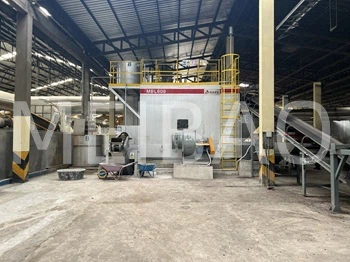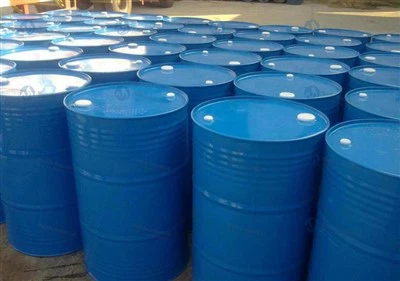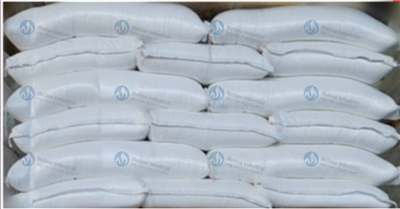


In the realm of detergent production, the caustic soda dissolving line plays a pivotal role. Caustic soda, also known as sodium hydroxide (NaOH), is a crucial raw material in detergent manufacturing. Its proper dissolution is essential for ensuring the quality and efficiency of the entire detergent production process. As a caustic soda dissolving line supplier, I've witnessed firsthand the challenges that manufacturers face in achieving optimal dissolution efficiency. In this blog, I'll share some insights and strategies on how to improve the dissolution efficiency in the caustic soda dissolving line.
Understanding the Basics of Caustic Soda Dissolution
Before delving into the ways to improve dissolution efficiency, it's important to understand the basic principles of caustic soda dissolution. Caustic soda is highly soluble in water, but the dissolution process is exothermic, meaning it releases heat. This heat can have both positive and negative effects on the dissolution process. On one hand, the heat can increase the solubility of caustic soda and speed up the dissolution rate. On the other hand, excessive heat can cause problems such as evaporation of water, formation of scale on the equipment, and even safety hazards.
The dissolution of caustic soda in water can be represented by the following chemical equation:
NaOH(s) + H₂O(l) → Na⁺(aq) + OH⁻(aq) + heat
The rate of dissolution depends on several factors, including the particle size of the caustic soda, the temperature of the water, the agitation intensity, and the concentration of the caustic soda solution.
Factors Affecting Dissolution Efficiency
Particle Size
The particle size of caustic soda has a significant impact on its dissolution rate. Smaller particles have a larger surface area, which allows for more contact with water molecules and thus a faster dissolution rate. Therefore, using caustic soda with a smaller particle size can improve the dissolution efficiency. However, it's important to note that extremely fine particles can also cause dust problems and may be more difficult to handle.
Temperature
As mentioned earlier, the dissolution of caustic soda is an exothermic process. Increasing the temperature of the water can increase the solubility of caustic soda and speed up the dissolution rate. However, there is a limit to how much the temperature can be increased. Excessive temperatures can lead to evaporation of water, formation of scale on the equipment, and safety hazards. Therefore, it's important to find the optimal temperature range for caustic soda dissolution. In general, a temperature range of 40 - 60°C is considered suitable for most applications.


Agitation Intensity
Agitation is crucial for ensuring uniform mixing of caustic soda and water and for increasing the contact between the caustic soda particles and water molecules. A higher agitation intensity can improve the dissolution rate by breaking up the caustic soda particles and preventing them from agglomerating. However, excessive agitation can also cause problems such as splashing and foaming. Therefore, it's important to find the optimal agitation intensity for the specific caustic soda dissolving line.
Concentration
The concentration of the caustic soda solution also affects the dissolution rate. As the concentration of the solution increases, the solubility of caustic soda decreases, and the dissolution rate slows down. Therefore, it's important to control the concentration of the caustic soda solution during the dissolution process. In general, a concentration of 20 - 50% is considered suitable for most applications.
Strategies to Improve Dissolution Efficiency
Optimize the Design of the Dissolving Equipment
The design of the caustic soda dissolving equipment plays a crucial role in determining the dissolution efficiency. A well-designed dissolving tank should have a proper shape and size to ensure uniform mixing of caustic soda and water. It should also be equipped with an efficient agitation system, such as a propeller or a turbine agitator, to ensure sufficient agitation intensity. Additionally, the dissolving tank should be made of a material that is resistant to corrosion by caustic soda, such as stainless steel or polyethylene.
Use a Pre - Dissolving System
A pre - dissolving system can be used to improve the dissolution efficiency by first dissolving a small amount of caustic soda in a concentrated solution and then diluting it with water. This can help to break up the caustic soda particles and reduce the time required for complete dissolution. The pre - dissolving system can be a separate tank or a section within the main dissolving tank.
Control the Feed Rate of Caustic Soda
Controlling the feed rate of caustic soda is essential for ensuring optimal dissolution efficiency. If the feed rate is too high, the caustic soda particles may not have enough time to dissolve completely, leading to the formation of undissolved particles in the solution. On the other hand, if the feed rate is too low, the dissolution process may be too slow, reducing the overall production efficiency. Therefore, it's important to find the optimal feed rate based on the capacity of the dissolving equipment and the desired concentration of the caustic soda solution.
Monitor and Control the Temperature
As mentioned earlier, temperature plays a crucial role in the caustic soda dissolution process. Therefore, it's important to monitor and control the temperature of the water and the caustic soda solution during the dissolution process. This can be achieved by using a temperature sensor and a heating or cooling system, such as a steam heater or a cooling coil. By maintaining the temperature within the optimal range, the dissolution efficiency can be significantly improved.
Regular Maintenance of the Equipment
Regular maintenance of the caustic soda dissolving equipment is essential for ensuring its optimal performance. This includes cleaning the dissolving tank and the agitation system to remove any scale or deposits, checking the seals and gaskets for leaks, and lubricating the moving parts. By keeping the equipment in good condition, the dissolution efficiency can be maintained at a high level.
Case Study: Improving Dissolution Efficiency in a Detergent Factory
Let's take a look at a real - world example of how a detergent factory improved the dissolution efficiency in its caustic soda dissolving line. The factory was experiencing problems with slow dissolution rates and the formation of undissolved particles in the caustic soda solution, which was affecting the quality of the detergent products.
The factory decided to implement several strategies to improve the dissolution efficiency. First, they optimized the design of the dissolving tank by increasing its size and installing a more efficient agitation system. They also used a pre - dissolving system to break up the caustic soda particles before adding them to the main dissolving tank. Additionally, they installed a temperature control system to maintain the temperature of the water and the caustic soda solution within the optimal range.
After implementing these strategies, the factory noticed a significant improvement in the dissolution efficiency. The dissolution time was reduced by 30%, and the formation of undissolved particles was almost eliminated. This not only improved the quality of the detergent products but also increased the overall production efficiency of the factory.
Conclusion
Improving the dissolution efficiency in the caustic soda dissolving line is crucial for ensuring the quality and efficiency of the detergent production process. By understanding the factors that affect dissolution efficiency and implementing the strategies mentioned above, manufacturers can significantly improve the performance of their caustic soda dissolving lines.
If you're looking for a reliable caustic soda dissolving line for your detergent production, we are here to help. Our caustic soda dissolving lines are designed with the latest technology and high - quality materials to ensure optimal dissolution efficiency. You can learn more about our Caustic Soda Dissolving Section for Detergent Production. Contact us to discuss your specific requirements and let's work together to enhance your detergent production process.
References
- Perry, R. H., & Green, D. W. (1997). Perry's Chemical Engineers' Handbook. McGraw - Hill.
- Kirk - Othmer Encyclopedia of Chemical Technology. (2007). John Wiley & Sons.
- Textbooks on chemical engineering unit operations.