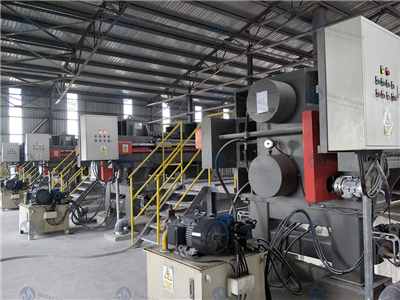


Troubleshooting a PAC (Poly Aluminium Chloride) production line is a critical skill for any PAC production line supplier. As a supplier, ensuring the smooth operation of the production line is not only crucial for the clients' productivity but also for maintaining our reputation in the industry. In this blog, I will share some practical steps and strategies to troubleshoot common issues that may arise in a PAC production line.
Understanding the PAC Production Process
Before delving into troubleshooting, it's essential to have a solid understanding of the PAC production process. PAC is typically produced through a chemical reaction between aluminum hydroxide and hydrochloric acid. The process involves several stages, including mixing, reaction, filtration, and drying. Each stage has its own set of potential issues that can affect the overall production.
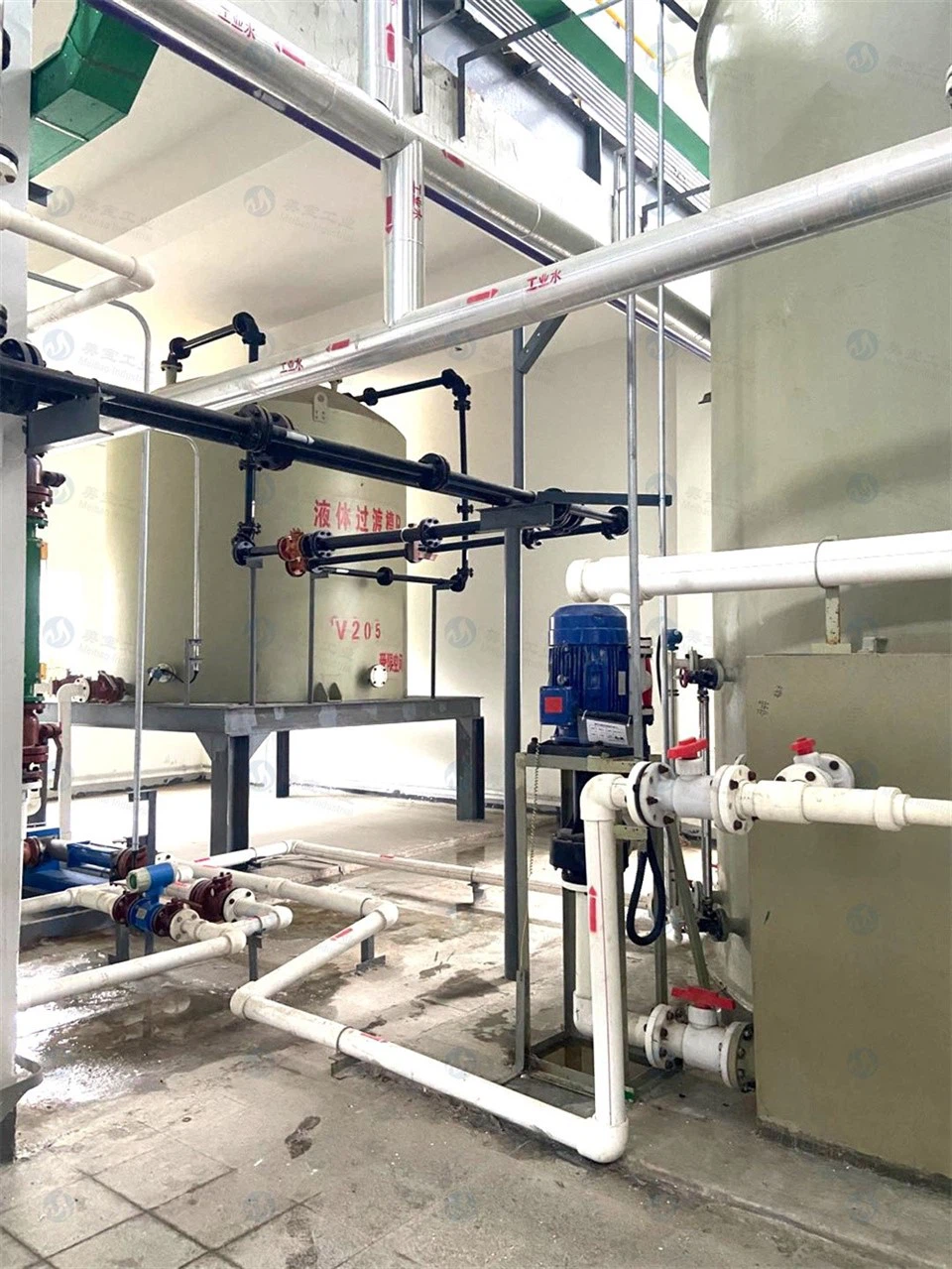

Common Issues and Troubleshooting Steps
1. Chemical Reaction Problems
- Incomplete Reaction: One of the most common issues in PAC production is an incomplete reaction. This can be caused by factors such as incorrect chemical ratios, low reaction temperature, or insufficient mixing. To troubleshoot this problem, first, check the chemical ratios. Ensure that the correct amount of aluminum hydroxide and hydrochloric acid is being used according to the production formula. Next, verify the reaction temperature. The reaction typically requires a specific temperature range to proceed efficiently. If the temperature is too low, increase the heating system output. Finally, check the mixing equipment. Make sure that the agitator is functioning properly and providing sufficient mixing to ensure thorough contact between the reactants.
- Side Reactions: Sometimes, side reactions can occur during the PAC production process, leading to the formation of unwanted by - products. These side reactions can be caused by impurities in the raw materials or incorrect reaction conditions. To address this issue, analyze the raw materials for impurities. If impurities are detected, consider using higher - quality raw materials or implementing a purification process. Additionally, review the reaction conditions, such as pH and temperature, to ensure they are within the optimal range for the main reaction.
2. Filtration Problems
- Clogged Filters: Clogged filters can significantly reduce the production efficiency of a PAC production line. This can be due to the accumulation of solid particles in the filter medium. To troubleshoot clogged filters, first, shut down the filtration system and isolate the filter unit. Inspect the filter for visible signs of blockage. If the blockage is minor, try back - flushing the filter to remove the accumulated particles. If the blockage is severe, replace the filter medium. Regularly monitor the pressure drop across the filter during operation. A sudden increase in pressure drop may indicate a clogging issue.
- Poor Filtration Efficiency: Poor filtration efficiency can result in the presence of impurities in the PAC product. This can be caused by a worn - out filter medium, incorrect filter selection, or improper operating conditions. To improve filtration efficiency, check the filter medium for wear and tear. If the filter medium is damaged, replace it with a new one. Select a filter with the appropriate pore size and material for the specific PAC production process. Also, ensure that the filtration pressure and flow rate are within the recommended range.
3. Drying Problems
- Inadequate Drying: Inadequate drying can lead to a PAC product with high moisture content, which can affect its quality and storage stability. This can be caused by insufficient drying temperature, short drying time, or improper airflow in the drying equipment. To troubleshoot inadequate drying, first, check the drying temperature. Adjust the heating system to ensure that the drying temperature is within the required range. Increase the drying time if necessary, but be careful not to over - dry the product, which can also cause quality issues. Check the airflow in the drying equipment. Ensure that the air circulation is sufficient to remove the moisture from the product.
- Over - Drying: Over - drying can result in the degradation of the PAC product and the formation of hard lumps. This can be due to excessive drying temperature or long drying time. To address over - drying, reduce the drying temperature and shorten the drying time. Continuously monitor the moisture content of the product during the drying process using a moisture meter. Adjust the drying parameters accordingly to achieve the desired moisture content.
4. Equipment Malfunctions
- Motor Failures: Motors are essential components in a PAC production line, powering various equipment such as agitators, pumps, and conveyors. Motor failures can be caused by electrical problems, mechanical wear, or overheating. To troubleshoot motor failures, first, check the electrical connections. Ensure that the motor is properly wired and that there are no loose or damaged connections. Inspect the motor for signs of mechanical wear, such as worn bearings or belts. If mechanical wear is detected, replace the worn parts. Check the motor's cooling system to ensure that it is functioning properly. Overheating can cause motor damage, so make sure that the motor is not operating at an excessive temperature.
- Pump Failures: Pumps are used to transfer liquids in the PAC production line. Pump failures can be due to issues such as cavitation, clogging, or mechanical damage. To troubleshoot pump failures, check for cavitation. Cavitation can be identified by a loud noise and reduced pump performance. To prevent cavitation, ensure that the pump is properly primed and that the suction pressure is within the recommended range. Check for clogging in the pump inlet or outlet. If clogging is detected, clean the pump and the associated pipes. Inspect the pump for mechanical damage, such as worn impellers or seals. Replace any damaged parts as needed.
Preventive Maintenance
In addition to troubleshooting issues when they occur, implementing a preventive maintenance program is crucial for the long - term reliability of a PAC production line. Regularly inspect and maintain the equipment, including checking for loose connections, lubricating moving parts, and calibrating sensors. Keep a detailed maintenance log to track the history of equipment maintenance and any issues that have been addressed.
Conclusion
Troubleshooting a PAC production line requires a systematic approach and a good understanding of the production process. By identifying common issues and implementing the appropriate troubleshooting steps, we can minimize downtime and ensure the efficient operation of the production line. As a PAC production line supplier, we are committed to providing our clients with high - quality equipment and comprehensive technical support. If you are facing any issues with your PAC production line or are interested in purchasing a new production line, please feel free to contact us for further discussion and negotiation. We look forward to working with you to achieve your production goals.
References
- "Chemical Engineering Handbook" - A comprehensive reference for chemical production processes and equipment troubleshooting.
- Industry - specific research papers on PAC production technology and best practices.