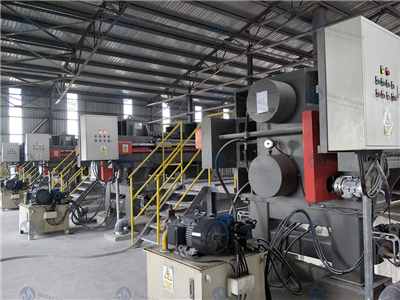


If you're dealing with a gas fired hot air furnace that won't start, you're not alone. As a supplier of gas fired hot air furnaces, I've seen this issue crop up time and time again. In this blog post, I'll walk you through some common reasons why your furnace might not be starting and provide you with some troubleshooting tips to get it up and running again.
1. Check the Power Supply
The first thing you should do when your gas fired hot air furnace won't start is to check the power supply. A simple power outage or tripped circuit breaker could be the culprit. Locate your electrical panel and check if the breaker for the furnace has been tripped. If it has, switch it back to the "on" position.
It's also a good idea to check the furnace's power cord if it's a plug - in model. Make sure it's securely plugged into the outlet. Sometimes, a loose connection can prevent the furnace from receiving power.
2. Inspect the Gas Supply
A lack of gas supply is another common reason for a furnace not to start. First, check if your gas valve is open. The gas valve is usually located near the furnace and has a handle. If the handle is parallel to the gas pipe, the valve is open. If it's perpendicular, the valve is closed. Open the valve if it's closed.
You should also check if there's a gas outage in your area. Contact your gas provider to confirm. Sometimes, maintenance work or a problem in the gas line can cause an interruption in the gas supply.
3. Examine the Thermostat
The thermostat is the control center of your furnace. If it's not working properly, the furnace won't start. First, check the settings on your thermostat. Make sure it's set to "heat" and the temperature setting is higher than the current room temperature.
If the thermostat is battery - operated, replace the batteries. Weak or dead batteries can cause the thermostat to malfunction. Some thermostats have a display that shows error codes. Refer to the thermostat's manual to interpret these codes and troubleshoot accordingly.
4. Look at the Ignition System
The ignition system is responsible for lighting the gas in the furnace. There are two main types of ignition systems: standing pilot and electronic ignition.
Standing Pilot Ignition
If your furnace has a standing pilot ignition, the pilot light might be out. To relight it, first, turn the gas valve to the "pilot" position. Then, use a long - stemmed lighter to ignite the pilot light. Hold the valve down for a few seconds after the pilot light is lit to allow the thermocouple to heat up and signal the gas valve to stay open.
Electronic Ignition
For furnaces with an electronic ignition system, a faulty ignition control module or a dirty igniter can prevent the furnace from starting. The igniter can get dirty over time, preventing it from generating enough heat to ignite the gas. You can clean the igniter carefully with a soft brush. If the igniter is damaged, it will need to be replaced. The ignition control module can also fail. If you suspect a problem with the module, it's best to call a professional technician to diagnose and replace it.
5. Check the Flame Sensor
The flame sensor is a safety device that detects if there's a flame in the furnace. If it doesn't detect a flame, it will shut off the gas supply to prevent a gas leak. Over time, the flame sensor can get dirty with carbon deposits. This can cause it to malfunction and incorrectly signal that there's no flame.
To clean the flame sensor, turn off the power to the furnace. Locate the flame sensor, which is usually a thin metal rod near the burner. Use a fine - grit sandpaper or steel wool to gently clean the tip of the sensor. Be careful not to damage the sensor. After cleaning, reinstall it and turn the power back on.
6. Examine the Air Filter
A dirty air filter can restrict the airflow in the furnace. When there's not enough airflow, the furnace's safety switch can trip, causing the furnace to shut down. Check your air filter and replace it if it's dirty. A good rule of thumb is to replace the air filter every 1 - 3 months, depending on usage and the type of filter.
7. Inspect the Blower Motor
The blower motor is responsible for circulating the hot air throughout your home. If the blower motor is not working, the furnace might not start or might not be able to distribute the heat properly. Listen for any unusual noises coming from the blower motor, such as grinding or screeching.
If you suspect a problem with the blower motor, check the motor's capacitor. A faulty capacitor can cause the motor not to start. You can test the capacitor with a multimeter. If the capacitor is bad, replace it. However, working with electrical components can be dangerous. If you're not comfortable doing this, it's best to call a professional.
8. Consider the Safety Switches
Furnaces are equipped with several safety switches to prevent accidents. These switches can trip if there's a problem with the furnace, such as overheating or low airflow. The limit switch is one such safety switch. It shuts off the furnace if the temperature inside the furnace gets too high.
If the limit switch has tripped, it might need to cool down before it resets. Wait for a few minutes and then try to restart the furnace. If the limit switch keeps tripping, there might be an underlying problem with the furnace, such as a blocked air duct or a faulty blower motor.
9. Professional Help
If you've gone through all these steps and your furnace still won't start, it's time to call a professional technician. A trained technician has the tools and expertise to diagnose and fix complex problems. They can also perform a safety check on your furnace to ensure it's operating safely.


At our company, we offer a wide range of gas fired hot air furnaces suitable for different applications. Our Heavy - Duty Direct Oil/Gas/Coal/Biomass Fired Hot Air Furnace For Industrial Drying Applications is designed for heavy - duty industrial use, providing reliable and efficient heating. We also have the Oil/Gas - Fired Hot Air Furnace which is perfect for smaller commercial and residential settings.
If you're in the market for a new gas fired hot air furnace or need help with your existing one, don't hesitate to contact us. Our team of experts is ready to assist you with your purchase and provide you with after - sales support. We can offer advice on the best furnace for your needs, installation services, and maintenance tips to keep your furnace running smoothly for years to come.
References
- Furnace manufacturer's manuals
- Thermostat manufacturer's manuals
- Gas provider's information on gas supply and maintenance