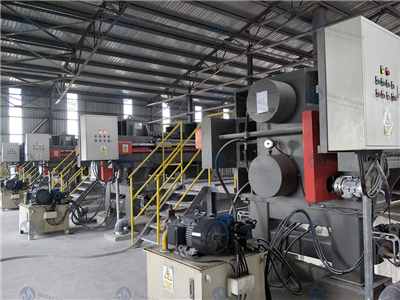


Hey there! As a supplier of Quartz Sand Drying Screening Lines, I've seen my fair share of issues that pop up in these setups. In this blog, I'm gonna walk you through some of the common faults you might encounter in a Quartz Sand Drying Screening Line and how to solve 'em.
1. Inadequate Drying
One of the most common problems is when the quartz sand doesn't get dried properly. You might notice that the sand still feels damp or has a higher moisture content than it should after going through the dryer.
Possible Causes
- Insufficient Heat Supply: The heat source might not be providing enough energy to evaporate the moisture in the sand. This could be due to a malfunctioning burner, a clogged fuel line, or an issue with the heating element in an electric dryer.
- High Feed Rate: If you're feeding too much sand into the dryer at once, the dryer won't have enough time to dry it all effectively. The sand will pass through the dryer too quickly, and the moisture won't have a chance to evaporate fully.
- Poor Airflow: Proper airflow is crucial for drying. If the air circulation in the dryer is restricted, the hot air won't be able to reach all the sand particles, leading to uneven drying.
Solutions
- Check the Heat Source: First, make sure the burner is working correctly. Clean any clogged fuel lines and check the heating element for any signs of damage. If you're using an Industrial Quartz Rotary Sand Dryer, ensure that the combustion chamber is clean and the burner settings are optimized.
- Adjust the Feed Rate: Reduce the amount of sand you're feeding into the dryer. You can do this by adjusting the conveyor speed or the feeder settings. This will give the dryer more time to dry each batch of sand properly.
- Improve Airflow: Check for any blockages in the air ducts or vents. Clean the filters and make sure the fans are working at their optimal speed. You may also need to adjust the air intake and exhaust settings to ensure proper air circulation.
2. Screening Issues
Another common problem is related to the screening process. You might find that the screened sand doesn't meet the required size specifications, or there's an excessive amount of oversize or undersize particles.


Possible Causes
- Worn Screens: Over time, the screens in the screening machine can wear out. Holes in the screen can allow larger particles to pass through, while a clogged screen can prevent smaller particles from being separated properly.
- Incorrect Screen Selection: Using the wrong type or size of screen for your specific application can lead to poor screening results. For example, if the screen openings are too large, you won't be able to separate the fine particles effectively.
- Uneven Feed Distribution: If the sand is not fed evenly onto the screen, some areas of the screen will be overloaded, while others will have little or no material passing through. This can result in uneven screening and inaccurate particle size separation.
Solutions
- Replace Worn Screens: Regularly inspect the screens for signs of wear and tear. Replace any damaged or worn screens promptly to ensure accurate screening. You can find high - quality replacement screens for your Industrial Detergent Powder Production Line or other screening equipment from reliable suppliers.
- Select the Right Screen: Choose the screen with the appropriate opening size and mesh configuration for your desired particle size range. Consult with a screening expert or the equipment manufacturer if you're unsure which screen to use.
- Improve Feed Distribution: Install a feed distributor or adjust the existing one to ensure that the sand is evenly spread across the screen. This will help to optimize the screening process and improve the accuracy of particle size separation.
3. Mechanical Failures
Mechanical failures can also occur in a Quartz Sand Drying Screening Line, which can disrupt the entire production process.
Possible Causes
- Lack of Maintenance: Regular maintenance is essential to keep the equipment running smoothly. If you neglect to lubricate the moving parts, tighten the bolts, or replace the worn - out components, it can lead to mechanical failures.
- Overloading: Running the equipment beyond its recommended capacity can put excessive stress on the mechanical parts, causing them to break down prematurely.
- Poor Quality Components: Using low - quality components in the equipment can increase the risk of mechanical failures. These components may not be able to withstand the harsh operating conditions and may wear out or break more easily.
Solutions
- Implement a Maintenance Schedule: Create a regular maintenance schedule and stick to it. This should include tasks such as lubrication, inspection of belts and chains, checking the alignment of components, and replacing any worn - out parts.
- Avoid Overloading: Make sure you're operating the equipment within its recommended capacity. If you need to increase the production rate, consider upgrading the equipment or adding additional units.
- Use High - Quality Components: Invest in high - quality components for your High Efficiency Quartz Sand Dryer Machine and other equipment in the line. While they may be more expensive upfront, they can save you money in the long run by reducing the frequency of breakdowns and maintenance costs.
4. Dust and Emission Problems
Dust and emissions can be a significant concern in a Quartz Sand Drying Screening Line, both for environmental reasons and the health of the workers.
Possible Causes
- Poor Sealing: If the equipment is not properly sealed, dust can escape into the surrounding environment. This can happen at the joints, hatches, or other openings in the dryer, screening machine, or conveyor systems.
- Ineffective Dust Collection System: A dust collection system that is not working effectively or is undersized for the production volume can lead to high levels of dust in the air.
- High - Speed Operations: Running the equipment at high speeds can generate more dust, especially during the screening and conveying processes.
Solutions
- Improve Sealing: Check the seals on all the equipment and make sure they are in good condition. Replace any damaged or worn seals to prevent dust from escaping.
- Upgrade the Dust Collection System: If your current dust collection system is not sufficient, consider upgrading it to a larger or more efficient model. Make sure the system is properly maintained and the filters are cleaned or replaced regularly.
- Adjust Operating Speeds: Reduce the operating speeds of the equipment to minimize dust generation. You may need to find a balance between production rate and dust control to ensure optimal performance.
Contact Us
If you're facing any of these problems with your Quartz Sand Drying Screening Line or if you're looking to purchase a new line, don't hesitate to reach out. We're here to help you solve your issues and provide you with the best - in - class equipment. Whether it's advice on maintenance, troubleshooting, or choosing the right components, we've got the expertise you need.
References
- General knowledge and experience in the field of quartz sand drying and screening line operations.
- Manufacturer's manuals and technical specifications for relevant equipment.