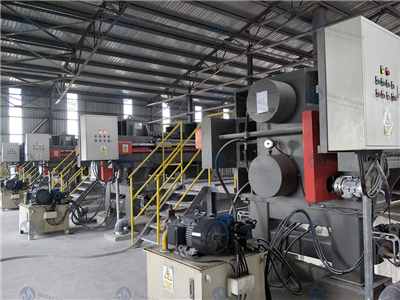


Hey there! As a supplier of quartz sand production lines, I'm super excited to walk you through the main components of these amazing setups. Quartz sand is a crucial material used in a whole bunch of industries, like glass manufacturing, ceramics, and even electronics. So, having a well - designed production line is key to getting high - quality quartz sand.
1. Mining and Primary Crushing
First off, we've got to get the quartz from the ground. Mining is the starting point. Once the quartz ore is extracted, it's time for primary crushing. This is where large chunks of quartz are broken down into smaller pieces. Jaw crushers are often used in this stage. They're like big mechanical jaws that clamp down on the ore and break it into more manageable sizes. This step is essential because it makes it easier for the subsequent processes to handle the material.
2. Screening
After primary crushing, the quartz pieces go through screening. Screening is all about separating the crushed quartz into different sizes. Vibrating screens are commonly used here. They shake the material around, and based on the size of the mesh on the screen, different sized particles are sorted out. This is important because different industries have different requirements for the size of the quartz sand they use. For example, the glass industry might need a specific range of particle sizes for optimal production.
3. Grinding
Once the quartz is screened, the next step is grinding. Grinding is the process of reducing the quartz particles to an even finer size. Ball mills are a popular choice for this. Inside the ball mill, there are steel balls that tumble around and crush the quartz particles. This continuous grinding action breaks the quartz down into a fine powder. The fineness of the powder can be adjusted depending on the end - use of the quartz sand.
4. Washing
Quartz ore often contains impurities like clay, dust, and other minerals. That's where washing comes in. The quartz sand is washed to remove these impurities. Spiral classifiers are commonly used for washing. They work by using the difference in specific gravity between the quartz and the impurities. The heavier quartz particles settle at the bottom, while the lighter impurities are washed away. This ensures that the final quartz sand product is of high purity.
5. Magnetic Separation
Some quartz ores contain magnetic impurities, such as iron oxide. Magnetic separation is used to remove these magnetic impurities. Electromagnetic separators are used in this process. They create a magnetic field that attracts the magnetic particles, separating them from the non - magnetic quartz sand. This step is crucial, especially for industries that require high - purity quartz sand, like the electronics industry.
6. Drying
After washing, the quartz sand is wet. Drying is necessary to remove the moisture. There are a couple of great drying options available. One is the Rotary Industrial Flash Dryer / Kaolin Air Flash Dryer With ISO9001 Certification. This dryer is really efficient at quickly removing moisture from the quartz sand. It uses hot air to dry the material in a flash, hence the name.
Another option is the Industrial Quartz Rotary Sand Dryer. This dryer rotates the quartz sand inside a drum while hot air is blown through it. The rotation ensures that all the sand particles are evenly dried. Drying is important because moisture can affect the quality and storage of the quartz sand.
7. Packaging
Once the quartz sand is dried and ready, it's time for packaging. The sand is packaged into bags or containers for transportation and storage. The packaging needs to be sturdy enough to protect the sand from contamination and damage during transit. Different industries might have different packaging requirements, so we can customize the packaging according to the customer's needs.
8. Auxiliary Equipment
There are also some auxiliary equipment that play important roles in the quartz sand production line. For example, conveyors are used to move the quartz sand from one stage to another. They make the whole production process more efficient by ensuring a smooth flow of material. Also, control systems are used to monitor and regulate the operation of the entire production line. These systems can adjust the speed of the equipment, the amount of material being processed, and other parameters to ensure optimal production.
9. Quality Control
Throughout the entire production process, quality control is essential. Quality control involves regularly testing the quartz sand to ensure it meets the required standards. Tests can include checking the particle size distribution, purity, and other physical and chemical properties. This ensures that the final product is of high quality and suitable for the intended applications.
10. Process Optimization
As a supplier, we're always looking for ways to optimize the production process. This might involve upgrading the equipment, improving the energy efficiency of the production line, or reducing waste. For example, we might recommend the Industrial Detergent Powder Production Line – Reasonable Process Design For Efficient Manufacturing if it can help in the cleaning and processing of the quartz sand more effectively.
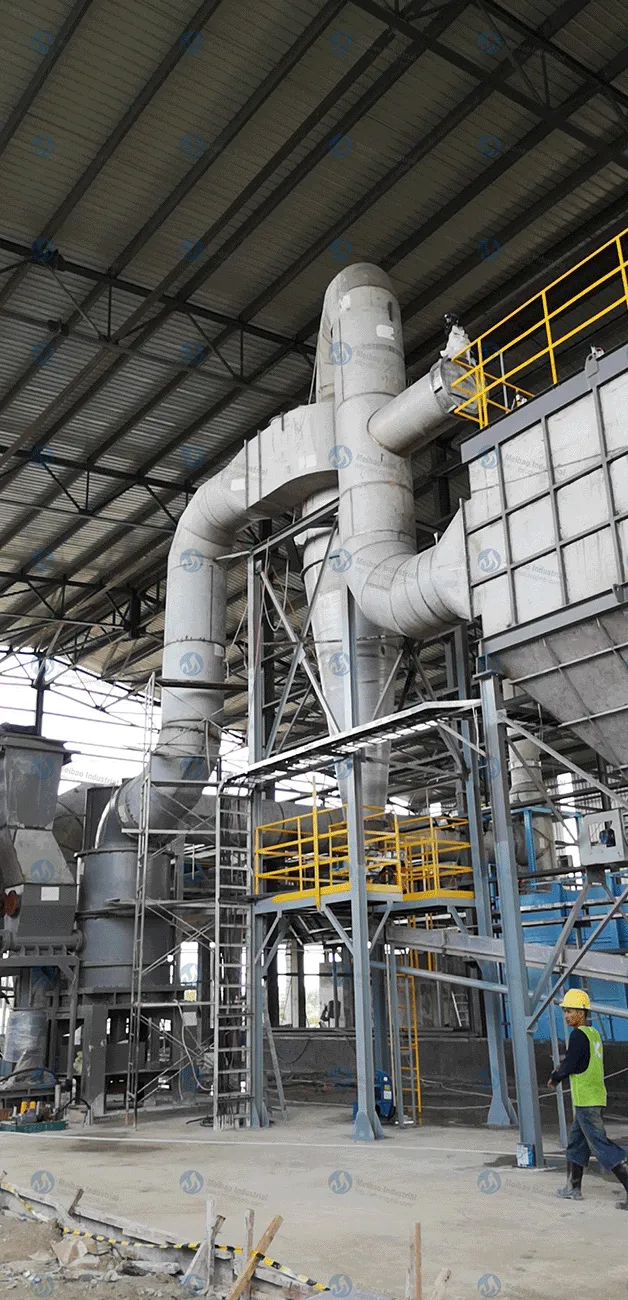

In conclusion, a quartz sand production line is a complex system with many components that work together to produce high - quality quartz sand. Each step is crucial, from mining all the way to packaging. If you're in the market for a quartz sand production line, we've got you covered. We can customize the production line according to your specific needs and ensure that you get the best equipment and support. Whether you're a small - scale producer or a large industrial company, we're here to help you get the most out of your quartz sand production. So, if you're interested in learning more or discussing a potential purchase, don't hesitate to reach out and start a conversation with us. We're looking forward to working with you!
References
- Minerals Processing Handbook, various editions
- Industrial Quartz Sand Production Technology Manuals