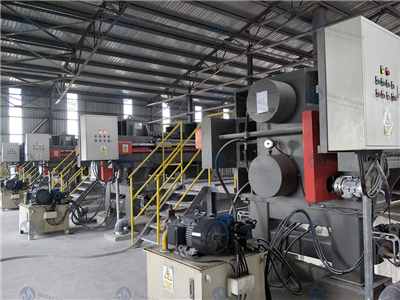


Hey there! I'm a supplier of calcium chloride production lines, and today I'm gonna walk you through the production processes in a calcium chloride production line. It's gonna be a fun and informative ride, so let's dive right in!
Raw Material Preparation
The first step in the calcium chloride production process is getting the raw materials ready. Calcium chloride can be produced from different sources, but the most common ones are limestone (calcium carbonate) and hydrochloric acid.
We start by sourcing high - quality limestone. It needs to be pure enough to ensure the quality of the final calcium chloride product. The limestone is usually crushed into smaller pieces. This makes it easier to react with hydrochloric acid later on. You can't just throw a big chunk of limestone into the reaction; it won't work efficiently.
Hydrochloric acid is another key raw material. We make sure to get it from reliable suppliers. The concentration of the hydrochloric acid matters a lot. Usually, we use hydrochloric acid with a specific concentration that's been optimized for the reaction with limestone. Once we have these raw materials, they're stored in proper containers to keep them in good condition until we're ready to start the reaction.
Reaction Process
Now, it's time for the main event - the reaction between limestone and hydrochloric acid. We put the crushed limestone into a reaction vessel. Then, we slowly add the hydrochloric acid. This reaction is exothermic, which means it releases heat. We have to be careful with the rate of adding the acid to control the reaction temperature. If the temperature gets too high, it can cause some problems, like the formation of unwanted by - products.
The chemical reaction is as follows:
CaCO₃ + 2HCl → CaCl₂ + H₂O+ CO₂↑
Basically, when limestone (CaCO₃) reacts with hydrochloric acid (HCl), it produces calcium chloride (CaCl₂), water (H₂O), and carbon dioxide (CO₂). The carbon dioxide gas is released during the reaction, and we have systems in place to collect and manage it.
This reaction takes some time to complete. We constantly monitor the reaction to make sure it's going as planned. Once the reaction is finished, we have a solution that contains calcium chloride, along with some impurities.
Purification Process
The solution we got from the reaction isn't pure calcium chloride yet. It has some impurities like unreacted limestone particles, other metal ions, and so on. So, we need to purify it.
One common purification method is filtration. We pass the solution through a filter to remove the solid impurities. This leaves us with a clearer solution. But there are still some dissolved impurities in the solution.
To remove the dissolved metal ions, we often use chemical precipitation. We add specific chemicals to the solution that react with the metal ions to form insoluble precipitates. Then, we can filter these precipitates out. This step is crucial to improve the purity of the calcium chloride solution.
After filtration and precipitation, we might also use ion - exchange resins. These resins can selectively remove certain ions from the solution, further enhancing the purity of the calcium chloride.
Concentration and Crystallization
Once we have a purified calcium chloride solution, we need to turn it into a solid form. First, we concentrate the solution. We do this by heating the solution to evaporate some of the water. As the water evaporates, the concentration of calcium chloride in the solution increases.
We use special equipment to control the heating process. It's important not to over - heat the solution, or it can cause the calcium chloride to decompose. Once the solution reaches a certain concentration, we move on to the crystallization step.
In the crystallization process, we cool the concentrated solution. As the solution cools, the calcium chloride starts to form crystals. We can control the size and shape of the crystals by adjusting the cooling rate. Different applications of calcium chloride might require different crystal sizes, so this step is quite important.
Drying and Packaging
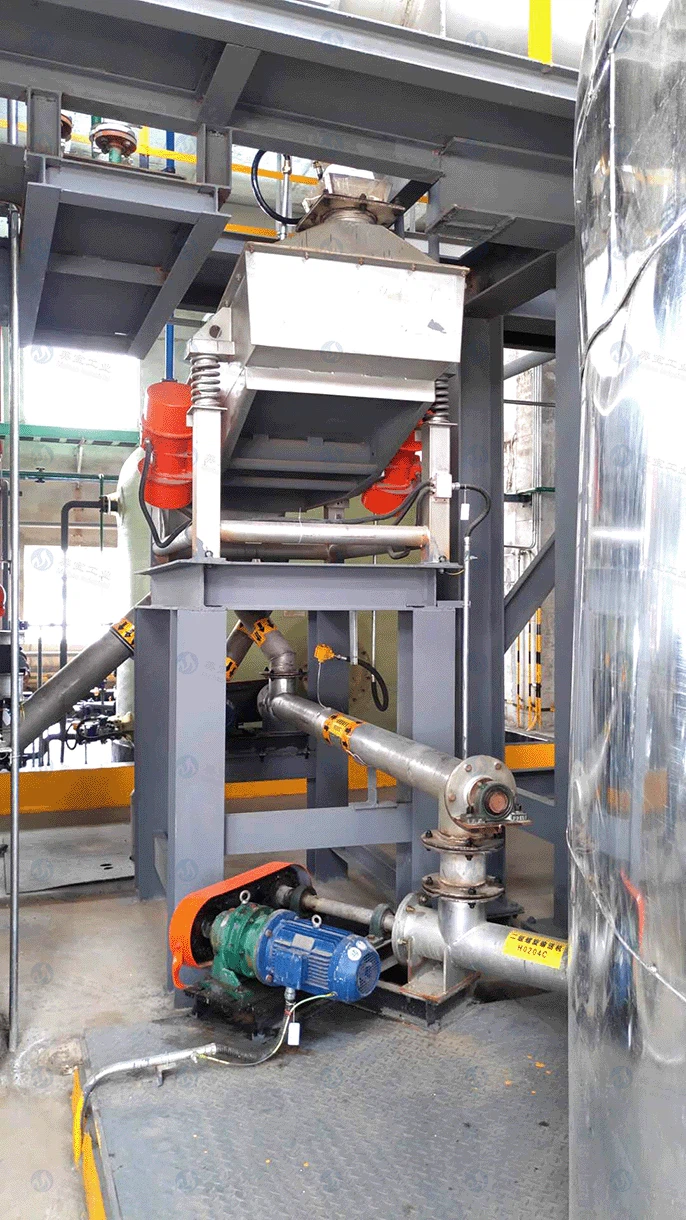
The crystals we got from the crystallization process still contain some moisture. So, we need to dry them. We use drying equipment, like a fluidized - bed dryer. In a fluidized - bed dryer, hot air is passed through the crystals, which quickly removes the remaining moisture.
After drying, the calcium chloride is ready for packaging. We use different types of packaging depending on the customer's needs. It could be small bags for retail use or big containers for industrial customers. We make sure the packaging is air - tight to prevent the calcium chloride from absorbing moisture from the air.
Quality Control
Throughout the whole production process, we have strict quality control measures in place. We regularly take samples at different stages of production. These samples are tested in our laboratory for various parameters, like purity, particle size, and moisture content.
If the samples don't meet our quality standards, we take corrective actions. For example, if the purity is too low, we might go back to the purification step and repeat some of the processes. Quality control is essential to ensure that we're delivering high - quality calcium chloride products to our customers.
Advanced Production Lines
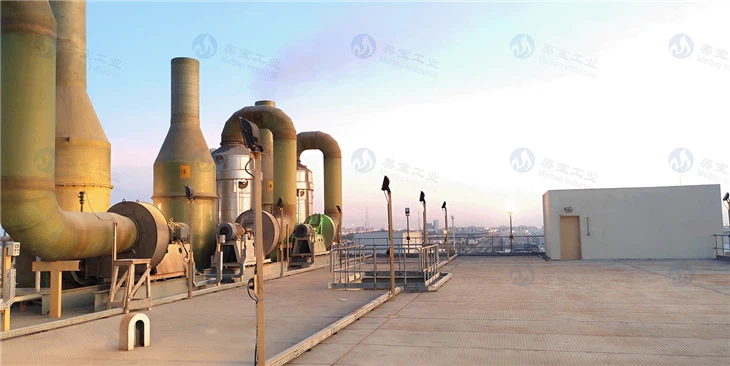
At our company, we offer different types of calcium chloride production lines to meet various customer needs. For those who need to produce calcium chloride in large quantities efficiently, we have the Optimized Calcium Chloride Production Line For Efficient Bulk Manufacturing. This production line is designed to maximize production efficiency while minimizing energy consumption.
If you're looking for a complete solution, including installation, commissioning, and after - sales service, our Turnkey Project CaCl2 Calcium Chloride Production Line is a great option. We'll take care of everything from start to finish, so you can focus on your business.
And if you're concerned about environmental friendliness and high - efficiency, our Calcium Chloride Production Line - High - Efficiency & Eco - Friendly Manufacturing System is the way to go. It uses advanced technologies to reduce waste and energy consumption.
Why Choose Our Production Lines
Our production lines are designed with the latest technology. We constantly research and develop to improve the efficiency and quality of our production processes. We also have a team of experienced technicians who can provide excellent after - sales service.
Whether you're a small - scale producer or a large industrial company, we have the right production line for you. We can customize the production line according to your specific requirements. So, if you're in the market for a calcium chloride production line, don't hesitate to get in touch with us. We're here to help you set up a successful calcium chloride production business.
In conclusion, the production of calcium chloride involves several important steps, from raw material preparation to packaging. Each step requires careful control and attention to detail to ensure high - quality products. If you're interested in learning more about our calcium chloride production lines or have any questions about the production process, feel free to reach out. We're looking forward to discussing your needs and helping you find the perfect solution for your business.
References
- Smith, J. (2020). Chemical Processes in Industrial Salt Production. New York: Chemical Press.
- Johnson, A. (2019). Handbook of Calcium Compounds Production. London: Industrial Books.