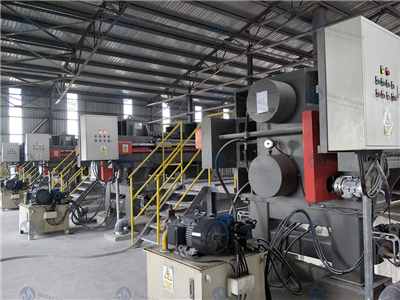


As a supplier of feed drying lines, I've witnessed firsthand the transformative impact these systems can have on the feed production industry. In this blog post, I'll delve into the numerous advantages of using a feed drying line, highlighting how it can enhance efficiency, quality, and profitability for feed manufacturers.
1. Improved Product Quality
One of the primary advantages of using a feed drying line is the significant improvement in product quality. By removing excess moisture from the feed, the drying process helps to prevent the growth of mold, bacteria, and other pathogens that can spoil the feed and pose a risk to animal health. This not only extends the shelf life of the feed but also ensures that it remains nutritious and palatable for animals.
Moreover, proper drying helps to preserve the nutritional value of the feed by preventing the degradation of vitamins, minerals, and other essential nutrients. This is particularly important for high - value feeds, such as those used in the production of premium pet food. For instance, in a High - Efficiency Automatic Pet Food Production Line | Dog, Cat, Fish Feed Extruder, the drying line plays a crucial role in maintaining the quality and nutritional integrity of the pet food, ensuring that it meets the strict standards of pet owners.
2. Increased Production Efficiency
A feed drying line can greatly enhance production efficiency by streamlining the drying process. Modern feed drying lines are designed with advanced technologies and automation features that allow for continuous and consistent drying of large volumes of feed. This reduces the need for manual labor and minimizes the time required for drying, resulting in higher production rates and lower production costs.
For example, some feed drying lines are equipped with conveyor systems that automatically transport the feed through the drying chambers, ensuring a uniform drying process. Additionally, advanced control systems can monitor and adjust the drying parameters, such as temperature, humidity, and airflow, in real - time, optimizing the drying process and ensuring maximum efficiency.
3. Energy Savings
Energy consumption is a significant cost factor in feed production. A well - designed feed drying line can help to reduce energy consumption by using efficient drying technologies and heat recovery systems. For instance, some drying lines utilize indirect heating methods, which transfer heat to the feed without direct contact with the heating source. This not only reduces energy losses but also prevents the over - heating and charring of the feed.
Furthermore, heat recovery systems can capture and reuse the waste heat generated during the drying process, further reducing energy consumption and operating costs. By investing in an energy - efficient feed drying line, feed manufacturers can not only save on energy costs but also contribute to a more sustainable and environmentally friendly production process.
4. Customization and Flexibility
Feed drying lines can be customized to meet the specific needs and requirements of different feed manufacturers. Whether you are producing animal feed, pet food, or aquaculture feed, a feed drying line can be tailored to handle different types of feed materials, production volumes, and drying specifications.
For example, some drying lines can be configured to handle both wet and dry feed materials, allowing for greater flexibility in the production process. Additionally, the drying temperature, humidity, and airflow can be adjusted to suit the characteristics of the feed, ensuring optimal drying results for different types of feed products.
5. Reduced Labor Costs
Automation is a key feature of modern feed drying lines, which significantly reduces the need for manual labor. With automated conveyor systems, control panels, and monitoring devices, the drying process can be operated with minimal human intervention. This not only reduces labor costs but also improves the safety and working conditions of the production staff.
Moreover, the use of automation reduces the risk of human error, ensuring a more consistent and reliable drying process. This is especially important in large - scale feed production facilities, where even small variations in the drying process can have a significant impact on product quality and production efficiency.
6. Enhanced Product Safety
In addition to improving product quality, a feed drying line also enhances product safety. By removing moisture from the feed, the drying process helps to reduce the risk of contamination by harmful microorganisms, such as Salmonella and E. coli. This is crucial for ensuring the health and safety of animals that consume the feed.
Furthermore, a well - maintained feed drying line can be equipped with sanitation features, such as self - cleaning mechanisms and air filtration systems, to prevent the accumulation of dust and debris, which can also harbor pathogens. This helps to maintain a clean and hygienic production environment, further enhancing product safety.
7. Competitive Advantage
In today's highly competitive feed market, having a high - quality and efficient feed drying line can provide a significant competitive advantage. Feed manufacturers who invest in advanced drying technology can produce higher - quality feed products at a lower cost, which can help them to attract more customers and increase market share.
Moreover, by demonstrating a commitment to quality, efficiency, and sustainability, feed manufacturers can enhance their brand reputation and build long - term relationships with customers. This can lead to increased customer loyalty and repeat business, further strengthening their position in the market.
Conclusion
In conclusion, the advantages of using a feed drying line are numerous and significant. From improving product quality and production efficiency to reducing energy consumption and labor costs, a feed drying line can have a profound impact on the success of a feed manufacturing business.


If you are a feed manufacturer looking to enhance your production process, I encourage you to consider investing in a high - quality feed drying line. Our company offers a wide range of feed drying lines that are designed to meet the diverse needs of the feed industry. Whether you are a small - scale producer or a large - scale industrial operation, we can provide you with a customized solution that will help you to achieve your production goals.
To learn more about our feed drying lines and how they can benefit your business, please contact us for a consultation. We look forward to working with you to take your feed production to the next level.
References
- "Principles of Feed Processing" by Thomas H. Her Majesty
- "Feed Manufacturing Technology" by the American Feed Industry Association