

What are the requirements for the storage tank in a liquid detergent production line?
As a supplier of liquid detergent production lines, I understand the crucial role that storage tanks play in the entire production process. The selection and operation of storage tanks directly impact the quality, efficiency, and safety of liquid detergent production. In this blog post, I will delve into the various requirements for storage tanks in a liquid detergent production line.
Material Requirements
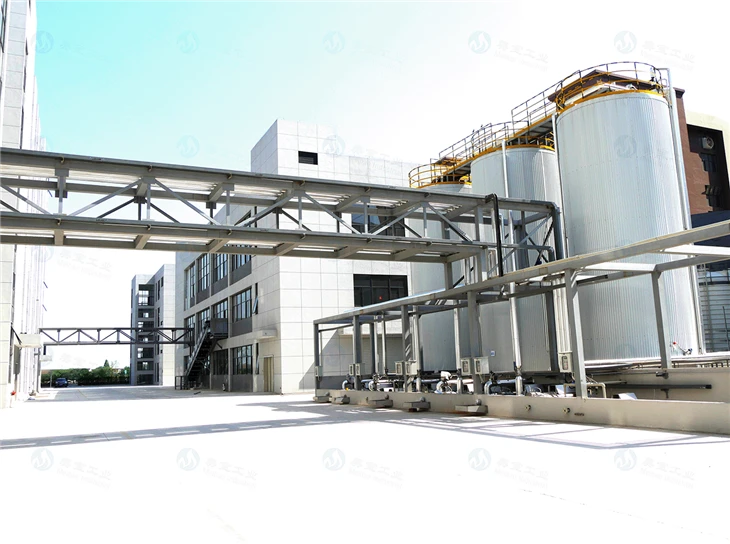
The choice of materials for storage tanks is of utmost importance to ensure the quality and integrity of the liquid detergent. Liquid detergents often contain a variety of chemicals, including surfactants, solvents, and additives, which can be corrosive to certain materials. Therefore, the storage tank material must be resistant to corrosion and chemical reactions.
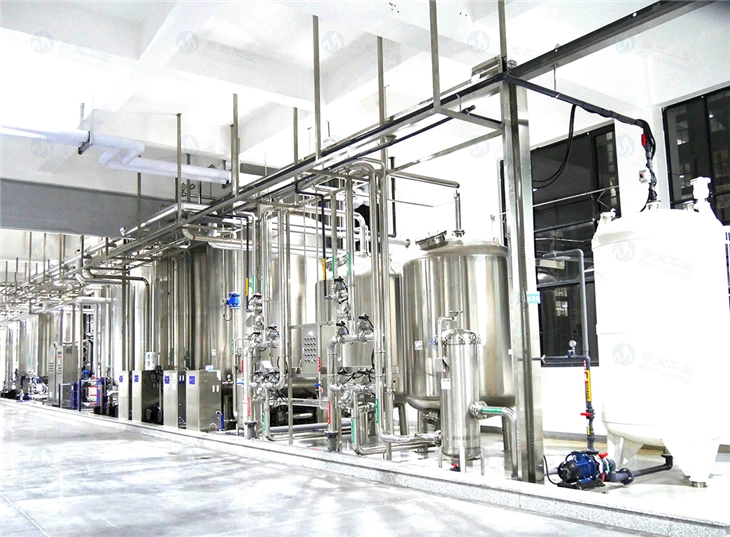
Stainless steel is a popular choice for storage tanks in liquid detergent production lines due to its excellent corrosion resistance, high strength, and hygiene properties. 304 and 316 grades of stainless steel are commonly used. 304 stainless steel is suitable for most general - purpose liquid detergents, while 316 stainless steel, which contains molybdenum, provides better resistance to more aggressive chemicals and is often used for detergents with higher levels of salts or acids.
In some cases, high - density polyethylene (HDPE) can also be used for storage tanks. HDPE is lightweight, cost - effective, and resistant to many chemicals. It is a good option for storing less corrosive liquid detergents or in situations where the tank needs to be portable or installed in areas with limited space.
Design and Construction Requirements
- Capacity: The capacity of the storage tank should be carefully determined based on the production scale and demand of the liquid detergent. A large - capacity tank can reduce the frequency of filling and ensure a continuous supply of raw materials or finished products. However, it also requires more space and higher investment. Conversely, a tank with insufficient capacity may lead to frequent interruptions in production.
- Shape and Structure: Storage tanks are commonly cylindrical in shape, as this design provides the highest strength - to - volume ratio and is easier to manufacture and install. The tank should have a proper inlet and outlet arrangement to facilitate the loading and unloading of liquid detergent. Additionally, it should be equipped with manholes for inspection and maintenance purposes.
- Sealing and Insulation: A good sealing system is essential to prevent leakage of the liquid detergent and to keep out contaminants. The tank should be well - insulated to maintain a stable temperature, as temperature fluctuations can affect the quality and stability of the liquid detergent. For example, some liquid detergents may thicken or separate at low temperatures, while high temperatures can cause chemical reactions and degradation of the product.
Safety Requirements
- Pressure and Overflow Protection: Storage tanks need to be designed to withstand the internal pressure generated by the liquid detergent. Pressure relief valves should be installed to prevent over - pressurization, which could lead to tank rupture. Overflow protection devices, such as overflow pipes and level sensors, are also necessary to prevent the tank from overflowing, which can cause environmental pollution and safety hazards.
- Fire and Explosion Prevention: Since some liquid detergents may contain flammable or combustible substances, the storage tank area should be designed with fire and explosion prevention measures. This includes using explosion - proof electrical equipment, installing fire - extinguishing systems, and maintaining proper ventilation to reduce the concentration of flammable vapors.
- Leak Detection and Monitoring: Regular leak detection and monitoring are crucial to ensure the safety of the storage tank. Leak detection systems can be installed to detect any leakage of the liquid detergent at an early stage. Continuous monitoring of the tank's level, temperature, and pressure can also help to identify potential problems and take preventive measures in a timely manner.
Hygiene Requirements
- Cleanability: The storage tank should be easy to clean to prevent the growth of bacteria and mold, which can contaminate the liquid detergent. Smooth interior surfaces without crevices or dead corners are preferred, as they are easier to clean and sanitize. The tank should also be equipped with cleaning ports and spray balls for effective cleaning.
- Sanitation Design: All materials used in the tank construction should be non - toxic and compliant with relevant food and drug safety regulations if the liquid detergent is intended for household or food - contact applications. Regular cleaning and disinfection procedures should be established and strictly followed to ensure the hygiene of the storage tank.
Compatibility with the Production Line
- Flow and Transfer Compatibility: The storage tank should be compatible with the rest of the liquid detergent production line in terms of flow rate and transfer mechanism. The size and shape of the inlet and outlet pipes should be designed to match the production equipment, ensuring a smooth and efficient flow of the liquid detergent.
- Automation and Control: In modern liquid detergent production lines, automation and control are increasingly important. The storage tank can be integrated with the overall production control system, such as the PLC - Controlled Liquid Detergent Line, which allows for real - time monitoring and adjustment of the tank's level, temperature, and other parameters. This integration improves production efficiency and reduces the risk of human error.
Maintenance and Inspection Requirements
- Regular Maintenance: Routine maintenance of the storage tank is necessary to ensure its long - term performance and safety. This includes checking for leaks, corrosion, and damage to the tank structure, as well as maintaining the proper functioning of valves, pumps, and other accessories.
- Inspection and Testing: Periodic inspection and testing of the storage tank should be carried out in accordance with relevant standards and regulations. This may include non - destructive testing methods, such as ultrasonic testing and magnetic particle testing, to detect any internal defects in the tank.
In conclusion, the requirements for storage tanks in a liquid detergent production line are diverse and complex. From material selection to safety, hygiene, and compatibility with the production line, every aspect needs to be carefully considered. As a supplier of Liquid Detergents Making Equipment and Liquid Detergent Equipment, we are committed to providing high - quality storage tanks that meet all these requirements. If you are in the process of setting up or upgrading a liquid detergent production line, we invite you to contact us for a detailed consultation and procurement discussion. We have a team of experts who can help you select the most suitable storage tanks and production equipment for your specific needs.
References
- Chemical Engineering Handbook, various editions
- Standards and guidelines from relevant industry associations for liquid detergent production and storage tank design.