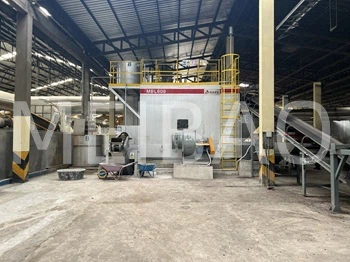


A performance test on a gas fired hot air furnace is used to check whether the furnace works safely, efficiently, and stably. It can help operators find problems in gas supply, combustion, airflow, temperature control, heat output, noise, and vibration before these problems affect production.
For buyers and plant operators, this test is important. It affects heating efficiency, fuel consumption, equipment safety, product drying quality, and long-term operating cost.
At Meibao, we provide different gas fired hot air furnace solutions for industrial heating and drying systems. We understand that a good furnace should not only have enough heating capacity, but also show stable performance during real operation.

Why Performance Testing Is Important
A gas fired hot air furnace works with fuel, combustion air, heat transfer, fans, and control systems. If one part does not work well, the full heating system may lose efficiency.
A performance test helps check:
gas pressure
gas flow
combustion condition
airflow rate
outlet air temperature
temperature rise
heat output
noise and vibration
control system response
This helps the factory know whether the furnace is running close to its design performance.
1. Prepare Before the Test
Before testing, the furnace should be checked and cleaned. This helps make the test result more accurate.
The test team should prepare basic tools, such as:
thermometer
pressure gauge
airflow meter
gas flow meter
combustion analyzer
vibration meter if needed
inspection checklist
Before starting the furnace, operators should also check:
whether the furnace body is in good condition
whether the burner is clean
whether the heat exchanger is clean
whether the fan and motor are normal
whether electrical connections are secure
whether all safety devices are working
If there is visible damage, leakage, loose wiring, or abnormal wear, these problems should be handled before the test.
2. Check the Gas Supply
The gas supply is one of the first items to check. Stable gas pressure and stable gas flow are important for furnace performance.
The operator should check:
gas inlet pressure
gas flow rate
gas valve condition
gas pipeline connection
possible gas leakage
gas pressure stability during operation
The gas pressure should match the furnace requirement. If the pressure is too high or too low, combustion may become unstable.
A poor gas supply may cause:
low heat output
unstable flame
incomplete combustion
higher fuel consumption
safety risk
Because of this, gas supply inspection is a key part of the performance test.
3. Measure the Airflow
Airflow has a direct effect on hot air output. A gas fired hot air furnace needs enough airflow to carry heat to the working area or drying system.
The operator should measure airflow at key points, such as:
air inlet
furnace outlet
main duct
process air outlet
If airflow is too low, the furnace may overheat or fail to deliver enough hot air. If airflow is too high, the outlet temperature may drop and fuel may be wasted.
Airflow can be adjusted by checking:
fan speed
damper position
duct resistance
filter condition
air leakage in the duct system
A stable airflow helps the furnace produce stable hot air.
4. Test Combustion Efficiency
Combustion efficiency is one of the most important performance indicators of a gas fired hot air furnace. It shows whether the fuel is being burned effectively.
A combustion analyzer can be used to test flue gas data. The test may include:
oxygen level
carbon monoxide level
carbon dioxide level
flue gas temperature
excess air level
Good combustion means the furnace can use fuel more efficiently and produce more stable heat.
If combustion efficiency is low, the cause may be:
poor burner adjustment
wrong air-fuel ratio
unstable gas pressure
dirty burner
poor draft condition
heat exchanger problem
The burner and air supply should be adjusted based on the test result.
5. Measure Temperature Rise
Temperature rise means the difference between inlet air temperature and outlet air temperature.
The basic method is:
Temperature rise = outlet air temperature - inlet air temperature
This value helps show how much heat the furnace is adding to the air.
If the temperature rise is too low, the furnace may not be producing enough useful heat. If the temperature rise is too high, airflow may be too low or the furnace may be overloaded.
The test should check:
inlet air temperature
outlet air temperature
temperature stability
temperature distribution
control system response
The temperature rise should stay within the design range of the furnace.
6. Evaluate Heat Output
Heat output shows how much useful heat the furnace provides. It is linked to airflow and temperature rise.
A simple idea is:
Heat output depends on airflow × temperature rise
In real projects, engineers will also consider air density, heat loss, system efficiency, and process conditions.
If measured heat output is lower than expected, possible reasons include:
low gas pressure
poor combustion
dirty heat exchanger
air leakage
poor duct insulation
low fan performance
wrong control setting
Heat output testing helps buyers and operators confirm whether the furnace can meet production needs.
7. Check the Heat Exchanger
For an indirect-fired furnace, the heat exchanger is a key part. It transfers heat from combustion gas to clean air.
The inspection should check:
heat exchanger surface condition
dust or soot buildup
cracks or leakage
heat transfer performance
exhaust gas condition
A dirty or damaged heat exchanger can reduce hot air output and increase fuel consumption.
If clean hot air is required, the heat exchanger condition is even more important.
8. Check Noise and Vibration
A well-running gas fired hot air furnace should run smoothly. Abnormal noise or vibration may show mechanical problems.
The operator should check:
fan vibration
motor vibration
burner noise
duct vibration
bearing noise
loose parts
Common causes of noise and vibration include:
unbalanced fan
loose bolts
worn bearings
misaligned motor
airflow turbulence
poor installation base
If these problems are not handled, they may lead to greater equipment damage later.
9. Check the Control and Safety System
The control system should also be tested during the performance test. A furnace should not only produce heat. It should also respond correctly to changes and protect the system when abnormal conditions appear.
The test should check:
temperature control accuracy
flame detection
ignition sequence
emergency stop
gas valve response
alarm system
fan interlock
over-temperature protection
A stable control system helps the furnace run safely and reduces operator risk.
10. Record and Compare Test Results
All test data should be recorded. Then the data should be compared with the design values or supplier specifications.
The test report may include:
gas pressure
gas flow
airflow
inlet temperature
outlet temperature
temperature rise
combustion data
heat output estimate
noise and vibration condition
abnormal findings
adjustment actions
This record is useful for future maintenance and performance comparison.
11. Adjust and Retest If Needed
If the test result is not within the expected range, the system should be adjusted.
Possible adjustments include:
burner tuning
air-fuel ratio adjustment
fan speed adjustment
damper adjustment
duct leakage repair
filter cleaning
control system correction
After adjustment, the furnace should be tested again. This helps confirm whether the problem has been solved.

What Buyers Should Check Before Accepting a Gas Fired Hot Air Furnace
Before accepting a gas fired hot air furnace, buyers should check these points:
Is the gas pressure stable?
Stable gas pressure supports stable combustion and heat output.
Is the airflow enough for the process?
Airflow should match the drying or heating requirement.
Is combustion efficiency acceptable?
Better combustion efficiency means better fuel use and lower operating cost.
Is the outlet temperature stable?
Stable temperature is important for drying quality and process control.
Is the heat output close to the design value?
The furnace should meet the real production demand.
Are noise and vibration normal?
Abnormal noise or vibration may show installation or mechanical problems.
Are safety devices working correctly?
Flame detection, emergency stop, gas valve control, and over-temperature protection should all work properly.
Meibao Gas Fired Hot Air Furnace Solution
At Meibao, we provide different gas fired hot air furnace solutions for industrial heating and drying projects. Based on different project needs, we can provide:
direct-fired hot air furnace solutions
indirect-fired heat exchanger furnace solutions
gas/oil-fired hot air furnace systems
airflow and temperature matching
automatic control systems
installation guidance and commissioning support
technical support for long-term operation
Our goal is to help customers use a gas fired hot air furnace that is stable, efficient, and suitable for industrial production.