

Sodium sulphate, a compound with diverse applications across various industries, has long been a subject of interest for scientists, manufacturers, and researchers. As a supplier of sodium sulphate, I am often asked about its melting point. In this blog post, I will delve into the details of the melting point of sodium sulphate, its significance, and how it relates to its applications.
Understanding Sodium Sulphate
Sodium sulphate (Na₂SO₄) is an inorganic compound composed of sodium cations (Na⁺) and sulphate anions (SO₄²⁻). It exists in different forms, including anhydrous sodium sulphate and its hydrated forms, such as sodium sulphate decahydrate (Na₂SO₄·10H₂O), commonly known as Glauber's salt.
Anhydrous sodium sulphate is a white, crystalline solid that is highly soluble in water. It is widely used in the production of detergents, paper, glass, and textiles, among other industries. Sodium sulphate decahydrate, on the other hand, has a lower melting point and is often used in heat storage systems and as a laxative in medicine.
The Melting Point of Anhydrous Sodium Sulphate
The melting point of anhydrous sodium sulphate is approximately 884 °C (1,623 °F). This relatively high melting point is due to the strong ionic bonds between the sodium and sulphate ions in the crystal lattice. These bonds require a significant amount of energy to break, resulting in a high melting point.
The high melting point of anhydrous sodium sulphate makes it suitable for use in high-temperature applications. For example, it is used in the production of glass, where it helps to lower the melting point of the silica and other raw materials, reducing the energy required for the melting process. It is also used in the production of ceramic glazes, where it helps to improve the hardness and durability of the glaze.
The Melting Point of Sodium Sulphate Decahydrate
Sodium sulphate decahydrate has a much lower melting point than anhydrous sodium sulphate. It melts at around 32.4 °C (90.3 °F). This low melting point is due to the presence of water molecules in the crystal structure. The water molecules act as a lubricant, reducing the forces between the sodium and sulphate ions and making it easier for the crystal to melt.
The low melting point of sodium sulphate decahydrate makes it useful in heat storage systems. When heated, it absorbs a large amount of heat as it melts, and when it cools and solidifies, it releases this heat. This property makes it an ideal material for storing and releasing thermal energy, which can be used for heating or cooling applications.
Factors Affecting the Melting Point
The melting point of sodium sulphate can be affected by several factors, including impurities, pressure, and the presence of other substances.
- Impurities: The presence of impurities in sodium sulphate can lower its melting point. Impurities disrupt the regular crystal lattice structure, making it easier for the crystal to melt. Therefore, the purity of sodium sulphate is an important factor in determining its melting point.
- Pressure: In general, increasing the pressure can increase the melting point of a substance. However, for sodium sulphate, the effect of pressure on the melting point is relatively small and is usually not a significant factor in most applications.
- Presence of other substances: The presence of other substances can also affect the melting point of sodium sulphate. For example, when sodium sulphate is mixed with other salts, the melting point of the mixture may be different from that of pure sodium sulphate. This is known as a eutectic mixture, where the melting point of the mixture is lower than the melting points of the individual components.
Applications of Sodium Sulphate Based on Its Melting Point
The melting point of sodium sulphate plays a crucial role in its various applications. Here are some examples:


- Detergent Industry: Anhydrous sodium sulphate is used as a filler and a bulking agent in detergents. Its high melting point ensures that it remains stable during the manufacturing process and does not melt or decompose at the temperatures used in detergent production.
- Glass Industry: As mentioned earlier, anhydrous sodium sulphate is used in the glass industry to lower the melting point of silica and other raw materials. This reduces the energy required for the melting process and makes the production of glass more efficient.
- Heat Storage Systems: Sodium sulphate decahydrate is used in heat storage systems due to its low melting point and its ability to store and release thermal energy. These systems can be used in buildings for heating and cooling, as well as in solar energy applications.
Our Sodium Sulphate Products
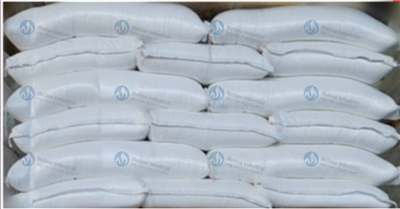
As a supplier of sodium sulphate, we offer high-quality anhydrous sodium sulphate and sodium sulphate decahydrate products. Our 99% SSA Anhydrous Sodium Sulphate Industrial Grade – High Purity White Crystalline Powder is suitable for a wide range of industrial applications, including detergent production, glass manufacturing, and textile processing.
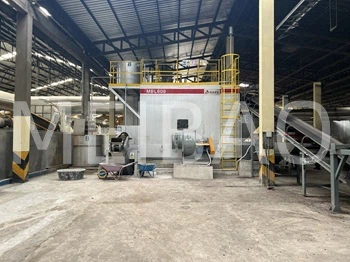
We also have expertise in the production of related chemical products. For those interested in calcium chloride production, we provide Turnkey Project Calcium Chloride (CaCl₂) Production Line – Automatic Manufacturing Plant and CaCl₂ Calcium Chloride Production Line – Food Grade & Industrial Grade Turnkey Plant. These production lines are designed to meet the high standards of the industry and ensure efficient and reliable production.
Contact Us for Procurement
If you are interested in purchasing sodium sulphate or any of our other chemical products, or if you have any questions about our products or production lines, please feel free to contact us. We are committed to providing high-quality products and excellent customer service. Our team of experts is ready to assist you in finding the right solutions for your specific needs.
References
- Atkins, P. W., & de Paula, J. (2014). Physical Chemistry (10th ed.). Oxford University Press.
- Lide, D. R. (Ed.). (2009). CRC Handbook of Chemistry and Physics (90th ed.). CRC Press.
- Ullmann's Encyclopedia of Industrial Chemistry. Wiley-VCH.