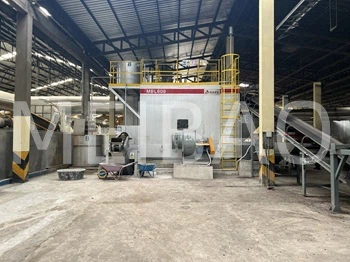


Hey there! As a supplier of feed drying lines, I'm super excited to share with you all about the quality control during the production of a feed drying line. It's a crucial process that ensures we deliver top - notch products to our customers.


First off, let's talk about the raw materials. The quality of a feed drying line starts right from the very beginning, with the materials we use. We source high - grade metals and components. For instance, the steel we use for the main body of the drying line has to meet strict standards. It should be corrosion - resistant because the feed drying environment can be quite harsh, with high humidity and sometimes abrasive particles in the feed. We check the chemical composition of the steel to make sure it has the right amount of elements like chromium and nickel, which enhance its resistance to rust.
We also pay close attention to the electrical components. The motors, sensors, and control panels are the brains of the feed drying line. We only buy from well - known and reliable suppliers. Before using any electrical part, we test it thoroughly. We check if the motor has the correct power output and if the sensors can accurately measure temperature, humidity, and other important parameters. This way, we can prevent any malfunctions during the operation of the drying line.
During the manufacturing process, we have a series of quality control checkpoints. One of the key steps is the welding process. In a feed drying line, there are a lot of welded joints, especially in the construction of the drying chambers and conveyor systems. Our welders are highly skilled and certified. They follow strict welding procedures to ensure that the welds are strong and free from defects. We use non - destructive testing methods, such as ultrasonic testing, to detect any internal flaws in the welds. If a weld doesn't pass the test, we'll re - work it until it meets the required standards.
Another important aspect is the assembly of the feed drying line. Each component needs to be installed correctly and precisely. For example, the fans in the drying system need to be properly aligned to ensure efficient air circulation. We have detailed assembly manuals, and our workers follow them step by step. After assembly, we conduct a comprehensive inspection of the entire line. We check for any loose parts, misaligned components, or signs of damage.
Calibration is also a vital part of quality control. All the measuring instruments and control devices in the feed drying line need to be calibrated accurately. The temperature sensors, for example, need to give accurate readings so that we can maintain the right drying temperature for different types of feed. If the temperature is too high, it might damage the nutritional value of the feed; if it's too low, the feed might not be dried properly. We use calibrated reference standards to calibrate these instruments regularly.
Once the feed drying line is assembled and calibrated, we perform a series of performance tests. We run the line with test loads to simulate real - world operating conditions. We monitor various parameters, such as drying efficiency, energy consumption, and throughput. If the performance doesn't meet our pre - set targets, we'll troubleshoot and make adjustments. For example, if the drying efficiency is lower than expected, we might check the air flow rate, the heat distribution, or the moisture content of the incoming feed.
We also focus on the safety features of the feed drying line. Safety is always a top priority. We install safety guards on all moving parts to prevent any accidents. The electrical systems are equipped with grounding and over - current protection devices. We conduct safety inspections to ensure that all the safety features are working properly.
In addition to in - house quality control, we also welcome third - party inspections. Having an independent organization assess our products adds an extra layer of credibility. Third - party inspectors can bring in a fresh perspective and use their expertise to identify any potential issues that we might have missed.
Now, I want to mention one of our amazing products, the High - Efficiency Automatic Pet Food Production Line | Dog, Cat, Fish Feed Extruder. This production line combines all the high - quality features and strict quality control measures I've talked about. It's designed to meet the specific needs of pet food production, with high efficiency and excellent drying performance.
If you're in the market for a reliable feed drying line, whether it's for livestock feed, pet food, or other types of feed, we're here to help. Our commitment to quality control ensures that you'll get a product that is durable, efficient, and meets all your production requirements. Don't hesitate to reach out to us for more information or to start a procurement negotiation. We're always ready to discuss your needs and provide the best solutions for your business.
References:
- Industry standards for feed drying line manufacturing
- Internal quality control manuals and procedures of our company
- Research on feed drying technology and best practices