

Operating a stone wool production line demands a diverse range of labor, each playing a crucial role in ensuring the efficiency, quality, and safety of the entire process. As a leading supplier of Stone Wool Production Line, I have witnessed firsthand the various types of labor involved in this complex manufacturing operation.
1. Raw Material Handling and Preparation
The first step in stone wool production is the handling and preparation of raw materials. Typically, basalt or diabase rocks are used as the primary raw materials. Workers in this stage are responsible for quarrying, transporting, and storing these rocks. They need to ensure that the rocks are of the right quality and size for the subsequent melting process.
Quarry workers use heavy - machinery such as excavators and loaders to extract the rocks from the quarry. They must follow strict safety protocols to prevent accidents, including wearing appropriate personal protective equipment (PPE) like hard hats, safety glasses, and steel - toed boots. After quarrying, the rocks are transported to the production site by trucks.
At the production site, workers are involved in crushing and screening the rocks. They operate crushers and screening machines to break the large rocks into smaller pieces of a uniform size. This step is essential as it affects the melting efficiency and the quality of the final stone wool product.
2. Melting and Fiberization
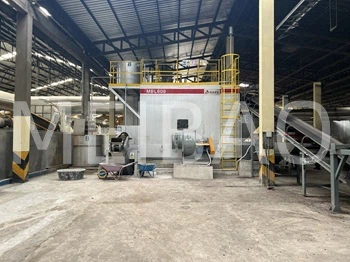
The melting and fiberization stage is the heart of the stone wool production process. Workers in this area are responsible for operating the Heating Incinerator For Rock Wool Production Line. The incinerator heats the crushed rocks to extremely high temperatures, usually around 1400 - 1600 degrees Celsius, until they melt into a liquid state.
Skilled technicians monitor the temperature, pressure, and other parameters of the incinerator to ensure stable operation. They need to have a deep understanding of the incinerator's working principles and be able to troubleshoot any problems that may arise. For example, if the temperature is too low, the rocks may not melt completely, resulting in poor - quality fiber. If the pressure is unstable, it can affect the fiberization process.
Once the rocks are melted, the liquid is then fiberized. This is typically done using a high - speed spinning or blowing process. Workers in this stage operate the fiberizing equipment, adjusting the speed and other settings to produce fine and uniform fibers. They also need to ensure that the fiberizing environment is clean and free from contaminants, as any impurities can affect the quality of the fibers.
3. Binder Application and Forming
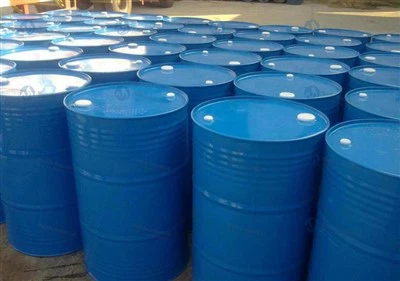
After fiberization, the next step is to apply a binder to the fibers. The binder helps to hold the fibers together and gives the stone wool product its shape and strength. Workers in this area are responsible for mixing the binder solution and applying it to the fibers.
They operate spraying or dipping equipment to ensure an even distribution of the binder on the fibers. The amount of binder applied is carefully controlled, as too much binder can make the product too heavy and reduce its insulation performance, while too little binder may result in a weak and unstable product.
Once the binder is applied, the fibers are formed into the desired shape. This can be in the form of boards, blankets, or pipes. Workers operate forming machines, which use pressure and heat to compress the fibers and set the binder. They need to monitor the forming process to ensure that the products have the correct dimensions and density.
4. Curing and Drying
After forming, the stone wool products need to be cured and dried. Curing is a process that allows the binder to fully harden, while drying removes any excess moisture from the products. Workers in this stage operate curing ovens and drying chambers.
They set the temperature and time parameters for the curing and drying processes. Different products may require different curing and drying conditions, depending on their size, density, and the type of binder used. Workers also need to regularly check the products during the curing and drying process to ensure that they are properly cured and dried.
5. Quality Control
Quality control is an integral part of the stone wool production process. Quality control inspectors are responsible for checking the quality of the raw materials, the intermediate products at various stages of production, and the final stone wool products.


They use a variety of testing equipment and methods to ensure that the products meet the required standards. For example, they may test the density, thermal conductivity, and tensile strength of the stone wool products. They also check for any defects such as cracks, uneven surfaces, or foreign objects in the products.
If any quality issues are detected, the inspectors need to work with the production workers to identify the root cause and take corrective actions. This may involve adjusting the production process parameters, replacing faulty equipment, or improving the raw material quality.
6. Packaging and Logistics
Once the stone wool products pass the quality control checks, they are ready for packaging. Workers in this area are responsible for packaging the products in appropriate materials, such as plastic wraps, cardboard boxes, or pallets. They need to ensure that the packaging is strong enough to protect the products during transportation and storage.
After packaging, the products are then loaded onto trucks or other transportation vehicles for delivery to customers. Logistics workers are responsible for managing the inventory, scheduling the deliveries, and ensuring that the products are delivered to the right place at the right time.
7. Maintenance and Repair
To ensure the continuous and efficient operation of the High Efficiency Rock Wool Production Line, regular maintenance and repair work are essential. Maintenance technicians are responsible for inspecting, cleaning, and lubricating the equipment on a regular basis.
They also perform preventive maintenance tasks, such as replacing worn - out parts before they cause equipment failures. In case of equipment breakdowns, the repair technicians are called in to diagnose and fix the problems as quickly as possible. They need to have a good understanding of the mechanical, electrical, and hydraulic systems of the production line and be able to use specialized tools and equipment for repair work.
Conclusion
Operating a stone wool production line requires a wide range of labor, from raw material handling to product delivery. Each type of labor plays a vital role in ensuring the quality, efficiency, and safety of the production process. As a supplier of stone wool production lines, we understand the importance of providing high - quality equipment and support to our customers.
If you are interested in purchasing a stone wool production line or have any questions about our products, please feel free to contact us for further discussion and negotiation. We are committed to providing you with the best solutions and services to meet your production needs.
References
- "Stone Wool Production Technology" - Industry research report on stone wool manufacturing processes.
- "Handbook of Industrial Insulation Materials" - Covers the production and properties of stone wool and other insulation materials.
- "Safety Guidelines for Stone Wool Production" - Published by relevant industry safety organizations.