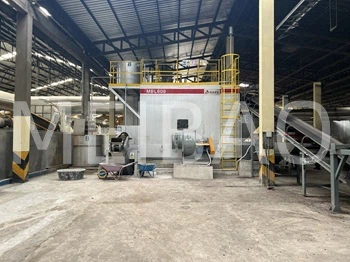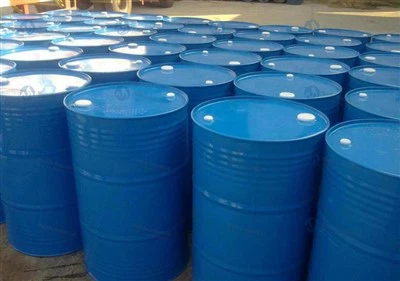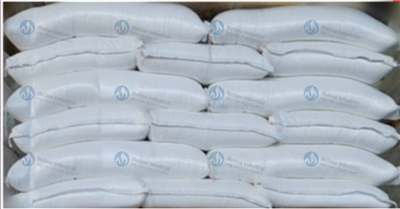


Sodium sulphate, also known as Glauber’s salt, is an inorganic compound with the formula Na₂SO₄. It is a white, crystalline solid that occurs in nature as the mineral thenardite and as a hydrate, mirabilite. In the detergent industry, sodium sulphate plays a crucial role due to its unique properties and cost - effectiveness. As a dedicated sodium sulphate supplier, I am excited to share with you the multifaceted uses of this chemical in the detergent realm.

1. As a Filler and Extender
One of the primary uses of sodium sulphate in the detergent industry is as a filler and extender. Detergent formulations often require a certain volume and weight to provide the right dosage and presentation for consumers. Sodium sulphate is an ideal choice because it is inexpensive, readily available, and chemically inert under normal conditions.
Adding sodium sulphate to detergent powders helps to bulk up the product, making it visually more appealing and easier to measure. It also allows detergent manufacturers to adjust the density of the powder, ensuring that it flows smoothly during packaging and use. Moreover, since sodium sulphate does not react with other components in the detergent formula, it does not interfere with the cleaning performance of the active ingredients. This means that manufacturers can use it to increase the volume of the product without sacrificing quality. For example, a small amount of highly effective surfactants can be diluted with sodium sulphate to create a more economical and consumer - friendly product.
Learn more about our High - Quality Chemical Raw Materials that can enhance your detergent formulations.
2. Improving Detergent Flow Properties
The flowability of detergent powders is a critical factor in both the manufacturing process and consumer use. Sodium sulphate has excellent anti - caking properties, which prevent the detergent powder from clumping together. During production, free - flowing detergent powders are easier to handle, mix, and package. This reduces production time and costs associated with equipment blockages and maintenance.
In storage and transportation, the anti - caking effect of sodium sulphate ensures that the detergent remains in a loose, powdery form. Consumers also benefit from this property as they can easily pour and measure the detergent without having to break up lumps. The addition of sodium sulphate helps to maintain the physical integrity of the detergent powder over time, even in humid environments where caking is more likely to occur.
3. Enhancing Detergent Performance
Although sodium sulphate is often considered an inactive ingredient in detergents, it can actually enhance the performance of other cleaning agents. It can act as a builder, which means it helps to soften water by binding to metal ions such as calcium and magnesium. Hard water contains high levels of these ions, which can react with soap and detergents to form insoluble salts, reducing their cleaning effectiveness.
By sequestering these metal ions, sodium sulphate allows the surfactants in the detergent to work more efficiently. Surfactants are responsible for reducing the surface tension of water, allowing it to penetrate fabrics more easily and lift dirt and stains. In hard water conditions, the presence of sodium sulphate can significantly improve the cleaning power of detergents, resulting in cleaner clothes and less residue on surfaces.
4. Cost - effective Solution
In the highly competitive detergent industry, cost is a major consideration for manufacturers. Sodium sulphate is one of the most cost - effective raw materials available. It is produced in large quantities through various methods, including the evaporation of natural brines and as a by - product from other industrial processes.
The low cost of sodium sulphate makes it an attractive option for detergent manufacturers looking to reduce production costs without compromising on product quality. By using sodium sulphate as a filler, extender, and performance enhancer, manufacturers can offer more affordable detergents to consumers while maintaining a healthy profit margin.
Explore our Sodium Sulphate product range, which is designed to meet the diverse needs of the detergent industry.
5. Compatibility with Other Ingredients
Sodium sulphate is compatible with a wide range of other chemicals commonly used in detergent formulations, including surfactants, enzymes, fragrances, and bleaching agents. This compatibility allows detergent manufacturers to create complex formulations that combine multiple cleaning benefits.
For example, it can be used in conjunction with anionic surfactants, which are some of the most widely used surfactants in detergents. Anionic surfactants are effective at removing greasy stains and dirt, and sodium sulphate helps to optimize their performance. Similarly, it can be combined with enzymes, which are proteins that break down specific types of stains, such as proteins, carbohydrates, and fats. The presence of sodium sulphate does not inhibit the activity of these enzymes, but rather provides a stable matrix for them to work in.
6. Environmental Considerations
In recent years, there has been an increasing focus on the environmental impact of detergent products. Sodium sulphate is considered to be relatively environmentally friendly. It is non - toxic, biodegradable, and does not contribute to the formation of harmful by - products. When discharged into the environment, it is quickly diluted and dispersed, and it does not accumulate in living organisms.
Compared to some other chemicals used in detergents, sodium sulphate has a lower environmental footprint. This makes it an attractive option for detergent manufacturers who are looking to produce more sustainable products. By using sodium sulphate in their formulations, manufacturers can meet the growing demand for eco - friendly detergents while still maintaining high - quality cleaning performance.
7. Impact on Packaging and Shelf - life
Sodium sulphate can also have a positive impact on the packaging and shelf - life of detergent products. As mentioned earlier, its anti - caking properties help to maintain the physical stability of the detergent powder. This means that the product is less likely to degrade or clump during storage, even if the packaging is not air - tight.
In terms of packaging, the use of sodium sulphate can reduce the need for special packaging materials or additives to prevent caking. This simplifies the packaging process and can lead to cost savings. Additionally, since sodium sulphate is a stable compound, it does not react with the packaging materials, ensuring that the detergent remains in good condition throughout its shelf - life.
Contact for Purchase and Discussion
If you are in the detergent industry and are interested in incorporating high - quality sodium sulphate into your products, I encourage you to reach out. Our company is committed to providing reliable and cost - effective sodium sulphate solutions. We understand the unique requirements of the detergent industry and can work with you to develop the best product for your specific needs. Whether you are looking for a consistent supply of sodium sulphate or need technical advice on its use in your formulations, we are here to help. Start a conversation with us today to explore the possibilities of using our sodium sulphate in your detergent production.
References
- Kirk - Othmer Encyclopedia of Chemical Technology.
- Industrial Chemistry: A Comprehensive Handbook.
- Journal of Surfactants and Detergents.