


Build Your Calcium Chloride Production Plant
From Raw Material Processing to Granular Calcium Chloride Production
When planning a calcium chloride production project, the first questions are:
- What is the target production capacity?
- What are the required calcium chloride product specifications?
- What is the quality of the available calcium carbonate?
- Will industrial hydrochloric acid or waste hydrochloric acid be used?
- If waste hydrochloric acid is used, what are its impurity and heavy-metal levels?
- What drying energy sources are available locally, and what are their costs?
- What are the required granule size and packaging specifications?
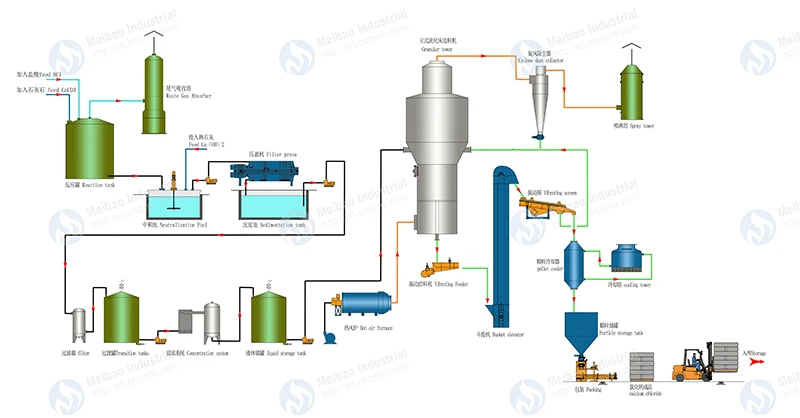
Meibao's calcium chloride production solution uses Calcium Carbonate + Hydrochloric Acid as the main raw materials. Calcium carbonate reacts with hydrochloric acid under controlled conditions to produce a calcium chloride solution. The solution then undergoes the required purification, solid-liquid separation and product adjustment before concentration. The concentrated calcium chloride solution is then fed into a spray drying tower, where drying and granule formation take place. The dried product subsequently passes through granule collection, screening, finished-product treatment and packaging to produce granular calcium chloride.
If waste hydrochloric acid is used, its actual composition should first be evaluated to determine whether a purification pretreatment system is required.
Product and capacity planning
Calcium carbonate raw-material suitability evaluation
Hydrochloric acid / waste hydrochloric acid quality evaluation
Waste hydrochloric acid purification and pretreatment solution
Reaction-system design
Calcium chloride solution purification system
Concentration system
Spray drying and granulation system
Heat-source system
Granule collection and finishing system
Finished-product packaging system
Plant and equipment layout
Automation and control system
Installation and commissioning
Operator training and technical support
Plan the Granular Calcium Chloride Project According to Raw Materials and Energy Conditions
The long-term economics of a calcium chloride production project depend not only on equipment investment, but also on raw material conditions, energy costs and finished-product requirements.

Main Factors Affecting Long-Term Economics
The main factors include:
- Calcium carbonate price
- Calcium carbonate quality and effective composition
- Hydrochloric acid concentration and price
- Waste hydrochloric acid source and purification cost
- Raw material transportation cost
- Energy cost for concentration
- Energy cost for spray drying
- Electricity cost
- Labor and operating costs
- Packaging cost
- Daily and annual operating hours

Calcium Carbonate + Hydrochloric Acid Cost
determines the main raw material cost of the upstream calcium chloride solution production process. The quality and price of calcium carbonate, together with the concentration, source and price of hydrochloric acid, directly affect the unit cost of the calcium chloride solution.

Concentration + Spray Drying Energy Cost
is a major operating-cost consideration in granular calcium chloride production. Granular calcium chloride production involves two major dehydration stages - concentration and spray drying - so long-term operating costs are closely related to local energy conditions.
Meibao therefore configures the complete plant according to local raw materials, available energy sources, target product specifications and production capacity.
Producing Calcium Chloride Solution from Calcium Carbonate and Hydrochloric Acid
The upstream foundation of a complete granular calcium chloride production line is the preparation of a calcium chloride solution suitable for subsequent concentration and drying.
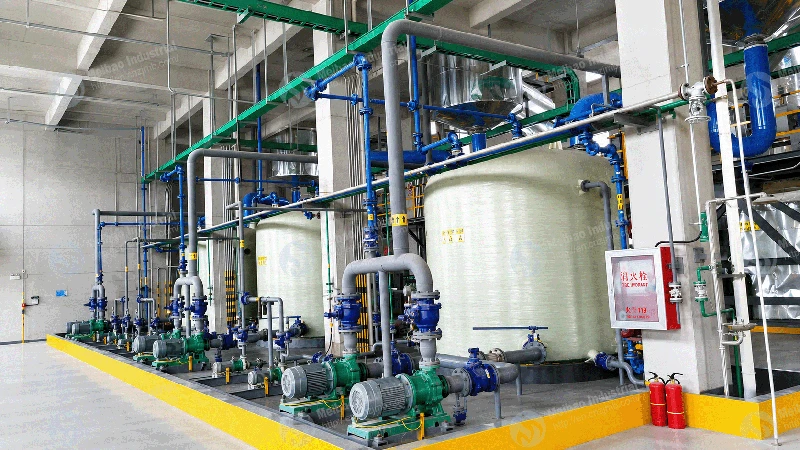
Main Raw Materials and Upstream Process
Through accurate raw material metering and controlled reaction, calcium carbonate reacts with hydrochloric acid to produce a calcium chloride solution.
Depending on raw material impurities, target product requirements and downstream drying requirements, the solution may then undergo:
- Purification
- Settling
- Solid-liquid separation
- Filtration
- Product adjustment
This provides a stable feed for the downstream concentration and spray drying systems.
together with
The solution then enters the Concentration System and Spray Drying System.
The specific reaction, purification and filtration configuration is designed according to calcium carbonate quality, hydrochloric acid conditions and target product specifications.
- Accurate calcium carbonate metering and conveying
- Controlled hydrochloric acid metering and reaction
- Purification and settling according to raw-material impurities
- Solid-liquid separation and filtration for solution clarity
- Product adjustment to the required solution condition
- Stable calcium chloride solution storage before concentration
Hydrochloric Acid Raw Material Options
Hydrochloric acid is one of the key raw materials in calcium chloride production. Depending on actual conditions at the project location, the plant can use industrial hydrochloric acid or waste hydrochloric acid suitable for resource recovery.
Industrial Hydrochloric Acid
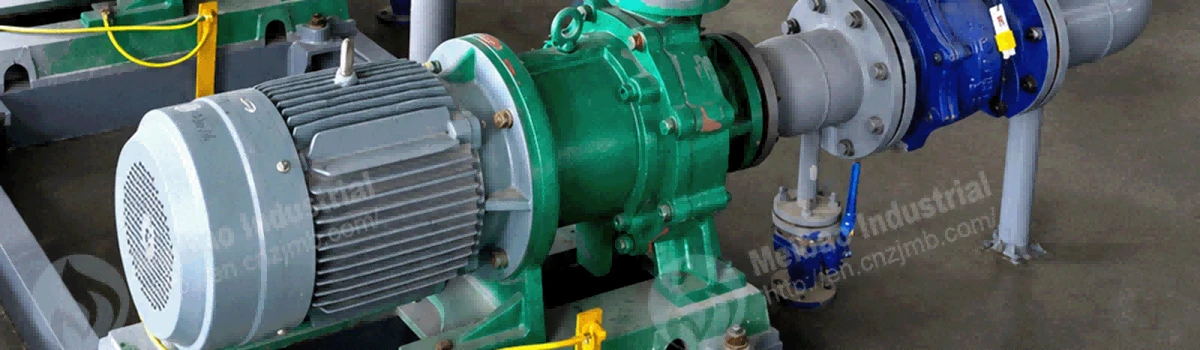
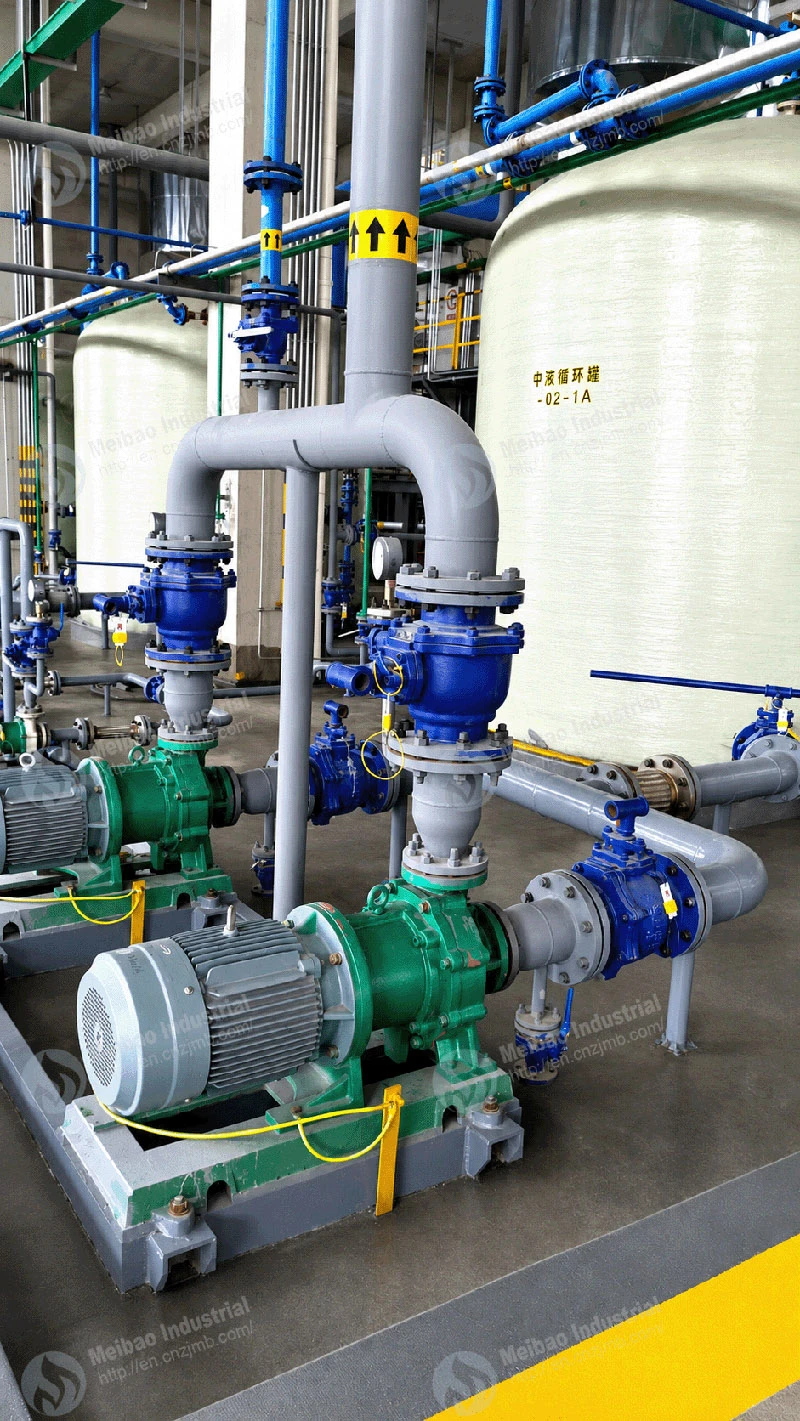
If the industrial hydrochloric acid has stable concentration, relatively low impurity levels and quality suitable for calcium chloride production, it can be stored, transferred and metered directly into the reaction system.
- Hydrochloric acid concentration
- Main composition
- Major impurities
- Local purchase price
- Daily supply capacity
- Long-term supply stability
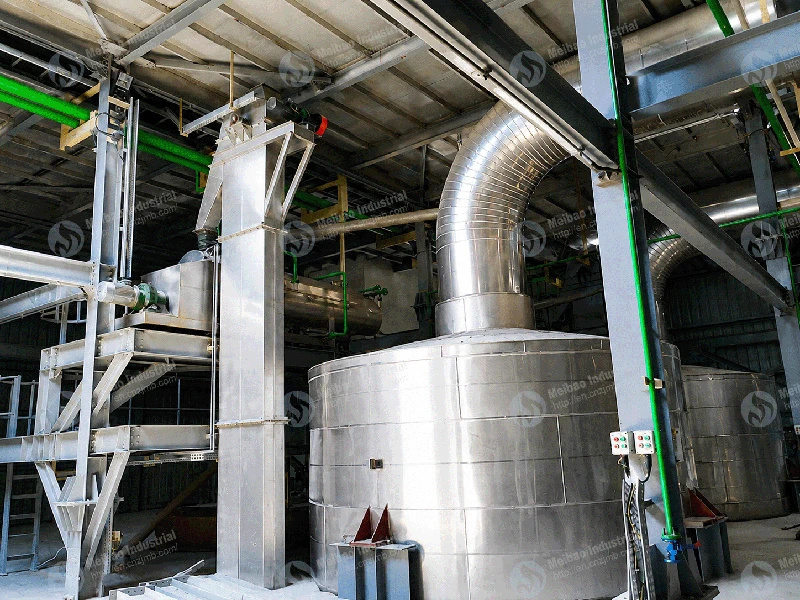
Waste Hydrochloric Acid Suitable for Resource Recovery
Waste hydrochloric acid from different industrial sources can vary significantly in acid concentration, iron content, heavy metals, suspended solids, insoluble matter, other inorganic salts and other impurities. Therefore, whether waste hydrochloric acid can be used directly cannot be determined solely from its HCl concentration.
- Source of the waste hydrochloric acid
- HCl concentration
- Iron content
- Heavy-metal analysis
- Suspended solids / insoluble matter
- Other major impurities
- Daily generation or available supply
- Raw material consistency
Waste Hydrochloric Acid Pretreatment Route
The purification process is not based on one fixed configuration. It is specifically designed according to the source of the waste hydrochloric acid, impurity composition and target calcium chloride product requirements.
Once the purified hydrochloric acid meets the production requirements, it enters the Calcium Carbonate + Hydrochloric Acid Reaction System.
Calcium Chloride Solution Purification Directly Affects Finished-Product Quality
The calcium chloride solution produced by the upstream reaction needs to meet the requirements of the downstream concentration and spray drying systems.

Why Liquid Purification Matters
If impurities in the raw materials are not properly controlled, they may affect:
- Finished-product purity
- Product color
- Insoluble matter
- Heavy metals and other quality indicators
- Concentration-system operation
- Spray drying stability
- Nozzle or atomization-system performance
- Granule quality
- Product storage performance
Therefore, liquid purification is an important process stage in granular calcium chloride production.
Depending on actual conditions, the system can include:
- Settling
- Solid-liquid separation
- Filtration
- Impurity removal
- Necessary chemical purification
- Heavy-metal treatment, if required
- Product composition adjustment
The final configuration is determined according to:
This ensures the calcium chloride solution entering concentration and spray drying meets the required purity, color and impurity limits for the target granular product.
Calcium Chloride Solution Concentration System
After reaction and purification, the calcium chloride solution enters the downstream concentration section to increase the calcium chloride concentration and prepare the solution for subsequent spray drying and granule formation.
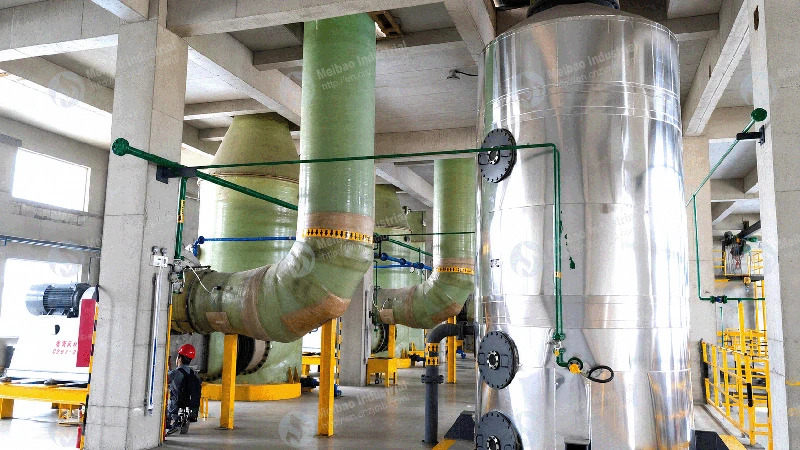
Typical Process Flow
The main factors include:
- Upstream calcium chloride solution concentration
- Required concentrated-solution condition
- Production capacity
- Water evaporation capacity
- Available heat source
- Steam or other energy costs
- Continuous operating hours
- Capacity matching with the spray drying tower
The concentration system should not be selected independently. Its capacity and operating conditions need to be designed together with the downstream spray drying system.
Meibao plans the concentration and spray drying systems as one integrated process according to actual project conditions, so that the concentrated calcium chloride solution is prepared at the condition required for stable granule formation.
Granular Calcium Chloride Production by Spray Drying Tower
After concentration and adjustment, the calcium chloride solution enters the spray drying tower, where the liquid is dispersed through the atomization system and brought into contact with hot air for efficient heat and mass transfer.

Typical Spray Drying Process Flow
Water is evaporated inside the drying tower, and the product is dried and formed into granules. The dried material is then collected and processed to obtain the required granular calcium chloride product.
- Concentrated-solution storage and transfer system
- Atomization system
- Spray drying tower
- Hot-air system
- Heat-source system
- Granule collection system
- Exhaust gas treatment system
- Finished-product screening system
- Granule conveying system
- Finished-product buffer storage
- Packaging system
- Automation and control system
- Calcium chloride feed concentration
- Liquid feed rate
- Target production capacity
- Target granule size
- Finished-product moisture requirement
- Product flowability
- Drying hot-air conditions
- Heat-source type
- Local energy prices
- Exhaust gas treatment requirements
Meibao integrates Concentrated Solution Conditions → Atomization → Hot Air → Drying → Granule Collection → Finished-Product Treatment according to the target product requirements.
Heat Source and Energy Conditions Are Important for Granular Calcium Chloride Projects
Granular calcium chloride production involves two major dehydration stages - concentration and spray drying - so long-term operating costs are closely related to local energy conditions.

Information to Provide During the Initial Project Stage
During the initial project stage, customers are advised to provide:
- Available heat-source types
- Fuel or energy prices
- Fuel Lower Heating Value, if applicable
- Steam pressure, if steam is available
- Available steam capacity
- Steam price
- Electricity price
- Daily operating hours
- Annual operating days
Meibao plans the energy solution for the concentration and spray drying systems as one integrated process according to actual project conditions.
Granular Calcium Chloride Product Planning
The target finished product of this solution is granular calcium chloride. The project should define the target market requirements before the production system is designed.
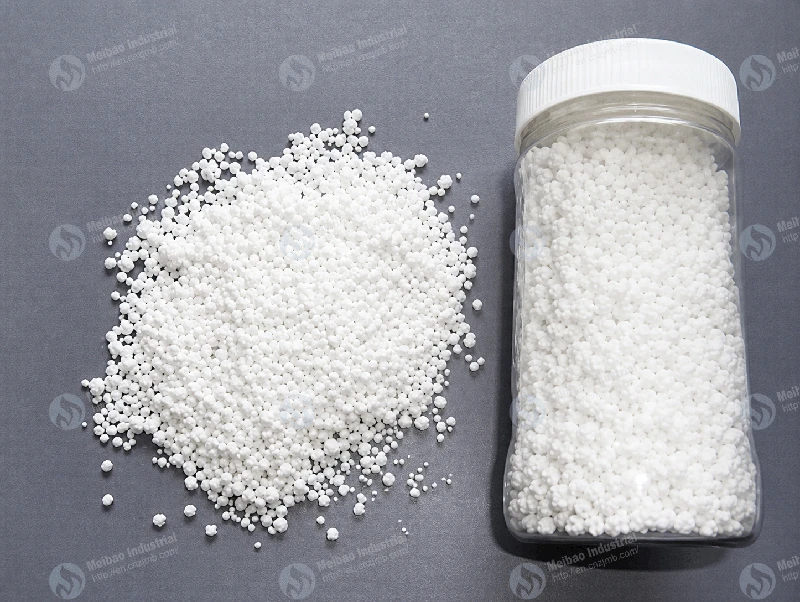
Target Market Requirements
The project should define the target market requirements, including:
- Calcium chloride content
- Moisture requirement
- Impurity limits
- Heavy-metal and other restricted-component requirements
- Product color
- Granule size range
- Granule uniformity
- Flowability
- Packaging specifications
Different finished-product requirements can affect upstream raw material quality, hydrochloric acid purification requirements, calcium chloride solution purification level, concentration conditions, spray drying parameters, granule finishing, and packaging and warehousing systems.
Design backward from the required granular product specifications. The complete production system - from raw material selection and purification to concentration, spray drying, granule finishing and packaging - should be configured according to the target calcium chloride content, granule size, moisture, color and packaging requirements.
Raw Material Quality Directly Affects Production-Line Design
To evaluate the process and project accurately, customers are advised to provide the main raw material information first. Raw material analysis determines reaction, purification and downstream system configuration.
Customers are advised to provide:
- CaCO₃ content
- CaO-related indicators, if available
- Mg and related impurities
- Fe and other major impurities
- Heavy metals and other restricted components
- Moisture
- Particle size
- Insoluble matter
- Local purchase price
- Daily supply capacity
- Long-term supply stability
Industrial Hydrochloric Acid
- HCl concentration
- Main quality parameters
- Iron and other impurities
- Purchase price
- Daily supply capacity
- Long-term supply stability
Waste Hydrochloric Acid
- Source of waste hydrochloric acid
- HCl concentration
- Iron content
- Heavy-metal analysis report
- Suspended solids / insoluble matter
- Other major components
- Daily generation / available supply
- Raw material composition stability
If impurities in the waste hydrochloric acid exceed the production requirements, an appropriate purification system should be installed before the acid enters the reaction process.
Finished-Product Treatment, Packaging and Storage
The granular product from the spray drying system undergoes the required finishing processes before packaging.

Depending on project requirements, the system can include:
- Granule collection
- Screening
- Off-spec granule recycling or treatment
- Finished-product buffer storage
- Automatic or semi-automatic weighing
- Packaging
- Conveying
- Palletizing, if required
- Finished-product warehousing
Packaging specifications are determined according to the target market and can be configured for:
- Retail or industrial packaging
- Local sales
- Long-distance transportation
- Export transportation
Granular calcium chloride is hygroscopic.
Therefore, finished-product handling, packaging and warehousing should also be designed with moisture protection and long-term storage requirements in mind.
Selected Calcium Chloride Production Project
Project reference based on Meibao's granular calcium chloride production line solutions.

Planning a Calcium Chloride Production Plant?
Complex material-balance and equipment calculations are not required from the customer during the initial project stage. Please first provide the following basic information:
What is the target granular calcium chloride production capacity?
What is the target CaCl₂ content?
What is the required granule size?
Which product standard should be followed?
Is a calcium carbonate analysis report available?
What is the local calcium carbonate price?
Will industrial hydrochloric acid or waste hydrochloric acid be used?
What is the hydrochloric acid concentration?
What is the local industrial hydrochloric acid price?
If waste hydrochloric acid is used, what is its source?
Is a complete composition and heavy-metal analysis report available for the waste hydrochloric acid?
What quantity of waste hydrochloric acid can be supplied consistently each day?
Which local energy sources are available for concentration and spray drying?
What are the local energy prices?
If steam is available, what is the steam pressure?
What steam capacity is available?
What is the steam price?
What is the local electricity price?
How many hours per day will the plant operate?
Is this a new plant or an expansion of an existing facility?
What are the available plant and land conditions?
What packaging specifications are required?
- Raw material suitability
- Whether waste hydrochloric acid is suitable for resource recovery
- Whether heavy-metal removal or other purification is required for the waste hydrochloric acid
- Raw material storage capacity
- Reaction-system capacity
- Liquid purification-system configuration
- Calcium chloride solution concentration capacity
- Spray drying tower capacity
- Heat-source and energy solution
- Target granulation solution
- Granule collection and screening system
- Exhaust gas treatment system
- Packaging system
- Automation configuration
- Overall plant layout
Start Your Calcium Chloride Project
Tell us your: target production capacity, granular calcium chloride specifications, calcium carbonate quality and price, hydrochloric acid concentration and source, and the local energy conditions available for concentration and spray drying.
If waste hydrochloric acid will be used, please also provide: the waste hydrochloric acid source, HCl concentration, major impurities and heavy-metal analysis.
Meibao's engineering team will first evaluate the actual calcium carbonate and hydrochloric acid conditions and plan the upstream process:
- Raw Material Storage → Reaction → Purification → Solid-Liquid Separation → Calcium Chloride Solution Preparation
The downstream production system will then be configured according to the target granular product and required capacity:
- Calcium Chloride Solution → Concentration → Spray Drying & Granulation → Granule Collection → Screening & Finished-Product Treatment → Packaging
This forms a complete granular calcium chloride production line solution.
Get in touch with Meibao
Fill out the form below and our engineering team will respond within 24 hours.