
Setting up a washing powder production line sounds like a big project-and it is-but honestly, once you break it down step by step, it's a lot more manageable than it first seems. I've been involved in a few projects like this, and based on that experience, here's how I'd approach it if you're planning to get one off the ground.

First thing's first-you need to figure out how big you want this to be. Are you just starting small to test the waters? Or do you already have a good market base and want to go big? Most people I've talked to start with something in the middle-not too small, not too crazy either.
Smaller setups, from what I've seen, can do a couple tons an hour, which is already enough to serve a local area. Medium ones go a bit further, maybe around 5 to 10 tons. If you're looking at exporting or supplying major retailers, then yeah, go beyond 10 tons. But remember, the bigger it gets, the more money you'll need upfront-for machines, labor, raw materials... all of it.
I usually suggest people start by mapping out how much they can spend, then adjust the setup accordingly. Some folks want full automation from day one, but that's a big investment. It's convenient, sure, and saves on labor long-term, but it does require more money at the start. So it really depends on your budget and your goals.
Once you've got the size and budget in mind, the next step is choosing the machines. Now, this part can get overwhelming with all the technical options out there, but try not to get lost in the jargon. At the end of the day, you need a few key things: something to mix your materials, something to dry the powder, and something to pack it all up nicely. That's it in a nutshell.


My advice? Don't go overboard with the most "advanced" machines unless you really need them. What matters is that everything works well together-the mixer feeds into the dryer properly, the dryer matches the packing speed, and the whole line flows smoothly. Talk to a supplier who knows what they're doing. A good one will help you sort that out without pushing extra gear you don't need.
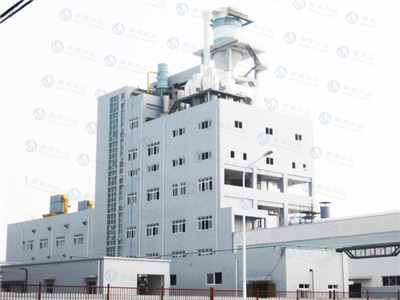
Now, let's talk about the factory layout-the physical setup. This is where a bit of practical thinking goes a long way. I always say: design the space based on how things move. Raw materials come in, get processed step by step, and finished products go out. Keep that path as straight and simple as you can. The less back-and-forth, the better.
Also, don't forget the people working there. Make sure there's enough room for them to move around, proper airflow (those powdery smells can get strong), and decent lighting. If some machines are loud, it's worth adding a bit of soundproofing-not just for comfort but for health too.
As the equipment starts arriving, you'll want to think about how the production line actually runs-like who does what, and how. This is where setting up some kind of standard process comes in handy. Not everything has to be written in a thick manual, but at least have a basic step-by-step that your workers can follow.
From my experience, if you clearly explain how to mix things, how long to dry them, when to check the quality, and how to pack the finished product, everything runs a lot smoother. Also, do a few quality checks along the way-things like texture, color, maybe pH levels if needed. It doesn't have to be super scientific, but enough to make sure you're sending out decent stuff.
And hey, while we're on the topic-don't forget about safety and the environment. I know it's tempting to skip this part, especially when you're trying to save costs, but trust me, it's worth getting right from the start. A little dust control here, a good ventilation system there-it adds up. Most places now also expect some basic environmental responsibility, so it's better to be prepared than to scramble later if something goes wrong.
Finally, get help when you need it. You don't have to figure everything out yourself. In fact, I recommend finding a supplier or consultant who's done this kind of thing before. The good ones won't just sell you machines-they'll help with installation, training, and fixing stuff when it breaks (because let's be honest, at some point, something will).
Final Thoughts
Customizing a washing powder line isn't some mystery. It's just a mix of smart planning, a bit of patience, and the right people around you. Don't rush. Think things through. Focus on what fits your needs-not what looks fancy on paper.
That's the way I'd do it. And if you're working with a team like Zhejiang Meibao, you'll probably find the whole process a lot smoother. They've seen all kinds of setups and know how to adapt the solution to match the reality on the ground.
Just start with a solid plan, and go from there.