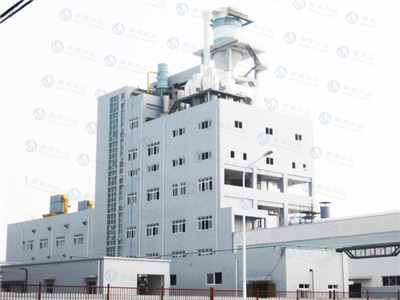

The manufacturing process of drying line mainly includes the following steps:
Structural design: The furnace frame of the drying line is usually made of stainless steel (such as 304/316L) or high temperature resistant carbon steel (surface sprayed with anti-rust coating) to ensure corrosion resistance and high temperature resistance (usually 300℃~800℃). The structure adopts segmented modular design, which is convenient for transportation and on-site assembly, and an insulation layer (such as rock wool, aluminum silicate fiber, etc.) is set inside to reduce heat loss.
Transmission system: The transmission system can adopt mesh belt type (suitable for food and light industry), chain type (suitable for heavy workpieces) or roller type (suitable for plates) according to the type of material. The materials of the transmission system include high temperature resistant stainless steel mesh belt (food grade), alloy chain or ceramic roller (high temperature environment). The drive device adopts variable frequency motor + reducer to achieve stepless speed regulation and match different drying speed requirements.
Heating system: The heating system includes electric heating, gas heating and steam/thermal oil heating. Electric heating uses resistance wire, electric heating tube or infrared quartz tube, with precise temperature control, suitable for clean environment; gas heating uses natural gas/liquefied gas burner, with high thermal efficiency, suitable for high temperature demand; steam/thermal oil uses indirect heat exchange, with stable temperature, suitable for explosion-proof scenes. The heating layout adopts zoning control to ensure independent temperature control in each zone, and improves energy efficiency through hot air circulation and waste heat recovery technology.
Temperature control and automation system: Temperature control uses K-type thermocouple or PT100 platinum resistance to monitor the temperature of each zone in real time. The controller uses PLC+touch screen, supports PID algorithm, and realizes multi-stage program temperature control. Safety protection includes over-temperature alarm, power-off protection and gas leak monitoring.
Key manufacturing process steps: including sheet metal processing (laser cutting, bending furnace body plate, polishing after welding), installation of insulation layer, heating unit assembly, hot air circulation duct design and transmission system installation. Electrical and safety tests include withstand voltage test and no-load trial operation.